
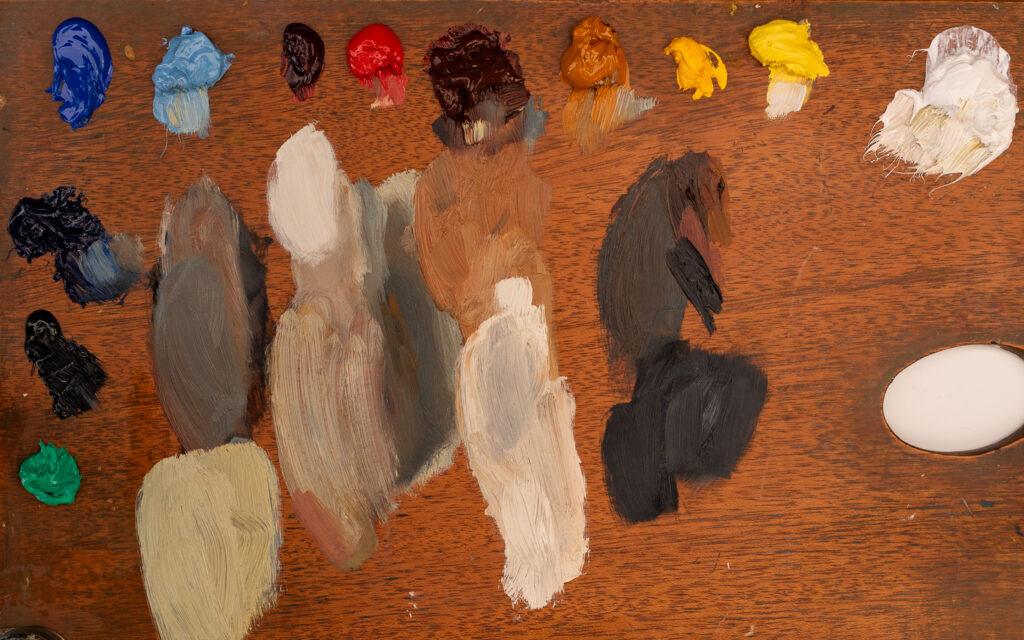
I wanted to work with oils for a long time, probably years. I set out looking for different kinds of paints to try, to experiment with. As intrigued as I was with oils, I was also terrified of them. What about the fumes, the clean-up, and the slow drying time? I had used oil products when we built and refinished butcher block counters and on a few other projects, but I always bought brushes specifically for the purpose and I disposed of them after use because I was scared of the clean-up. I finally decided my desire to try oil paints as a fine art medium outweighed my fear of the clean-up. I was going to learn how to use and how to clean up artist’s oil paint.
I painted a landscape, so I got past that initial hurdle. I was still scared of the clean-up so I let the paint dry on the cheap wood palette and also threw it away. This was ridiculous.
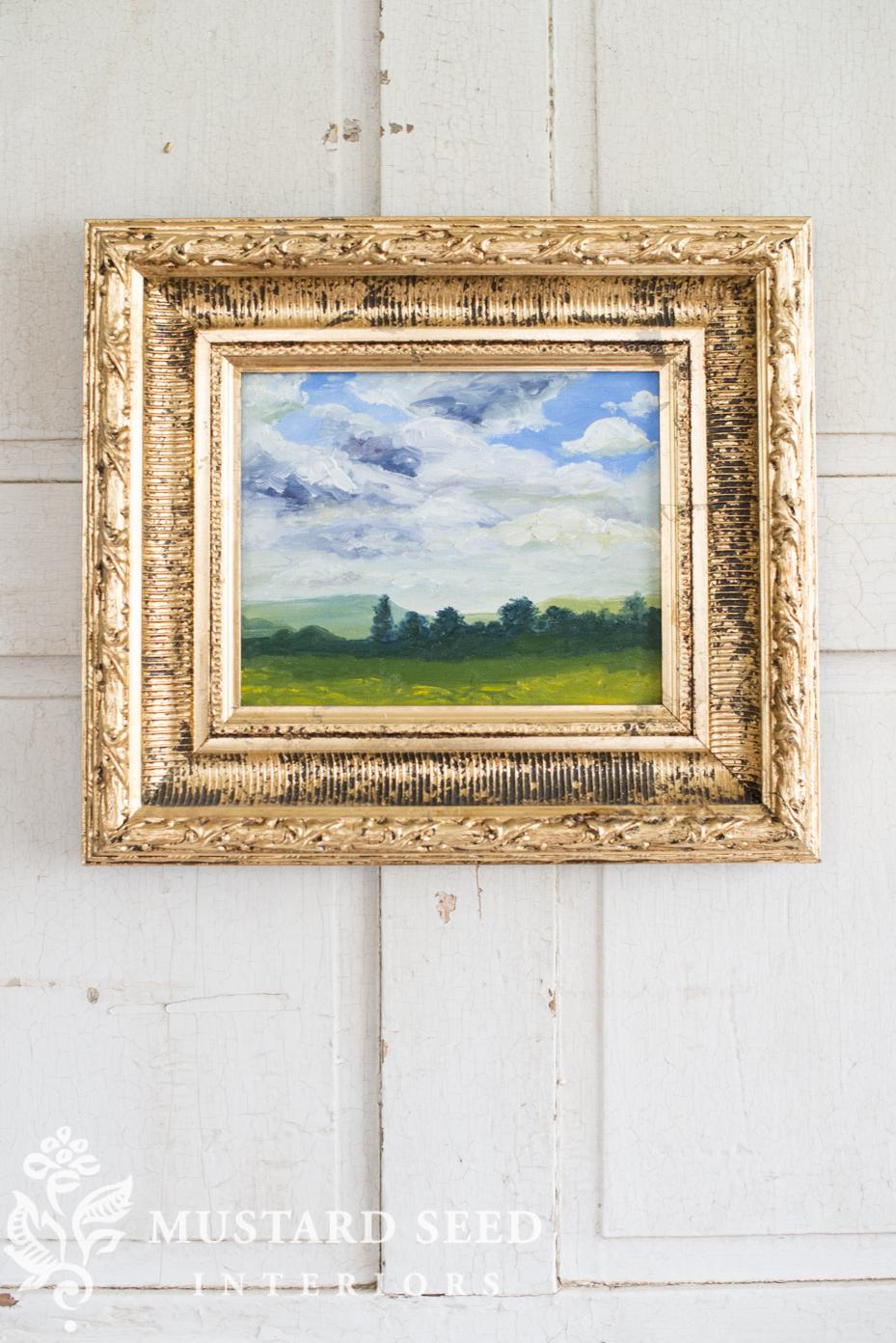
Oil paints are one of the most well-used and beloved mediums of fine artists for many centuries, so surely it’s not as scary as I’m making it out to be. And that turned out to be true. I had built it up in my mind as something complicated, difficult, and beyond my ability to learn. When I agreed to paint 100 landscapes with Michelle Wooderson as a part of the 100 Meadows Project, I knew that I would have to approach how to clean up artists’ oil paint with curiosity instead of fear. With an openness… I can do it, and it won’t be hard.
Having a community of people on the journey with me helped immensely so we could ask each other questions and share what we’d learned. The book Daily Painting was also the best resource I found on brush soaps, clean-up, and other information a beginner working with oil paints might want to know. Shockingly, this was absent from most other art books and online tutorials I read and watched. I think once you’ve been doing something for years, you forget the questions you had as a beginner or, perhaps, if you learned oil painting in a college program setting, all of this was taught and you assume others already know it. Either way, there wasn’t a lot of information answering the questions I had like what to do with dirty solvents, how to clean a palette, and how to safely dispose of dirty rags.
So, if you are intrigued by oil painting but have that same block I did, I made a video answering all of those questions from cleaning brushes to cleaning oil paint off your skin to cleaning out your solvent container…
Here are the products I mention in the video and use regularly to clean up artists’ oil paint… (They are all linked even though the text isn’t bright blue.)
- gloves (completely optional, but nice if you’re messy)
- ziplock bags
- Gamblin Gamsol
- Airtight Solvent Container
- Paper Towels ( I like Scott Shop Towels)
- Baby Oil
- baby wipes
- Murphy Oil Wood Soap or another oil-based or grease-cutting soap (for cleaning brushes)
- palette knife (I like THIS set)
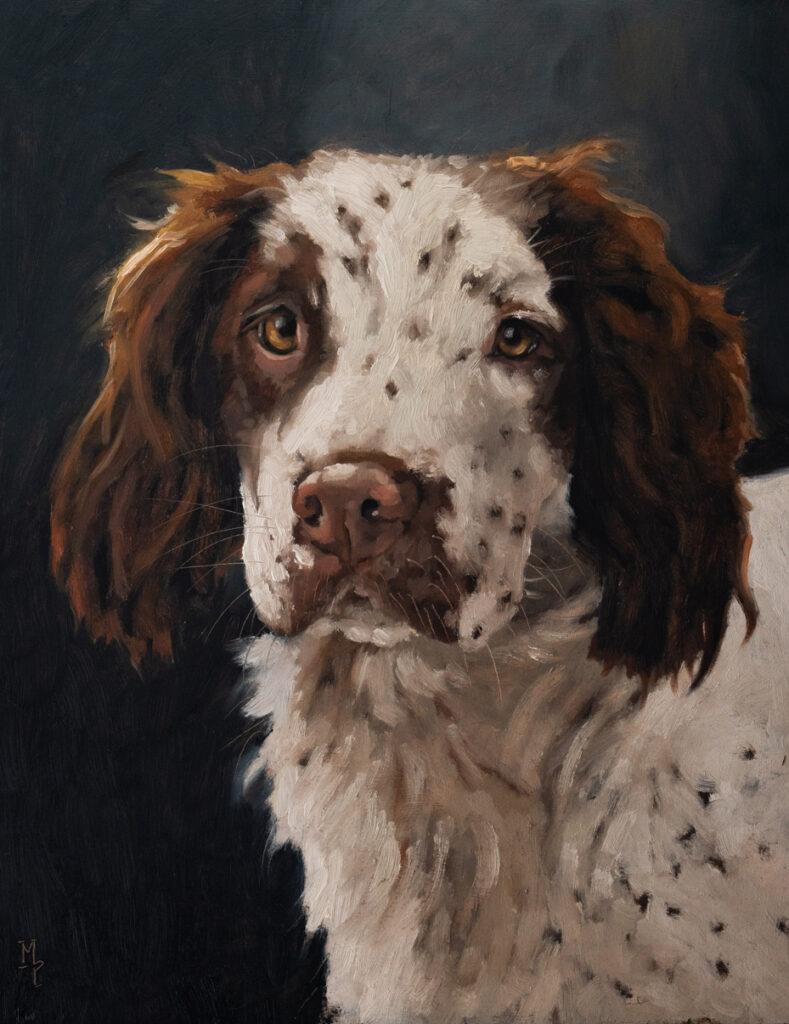
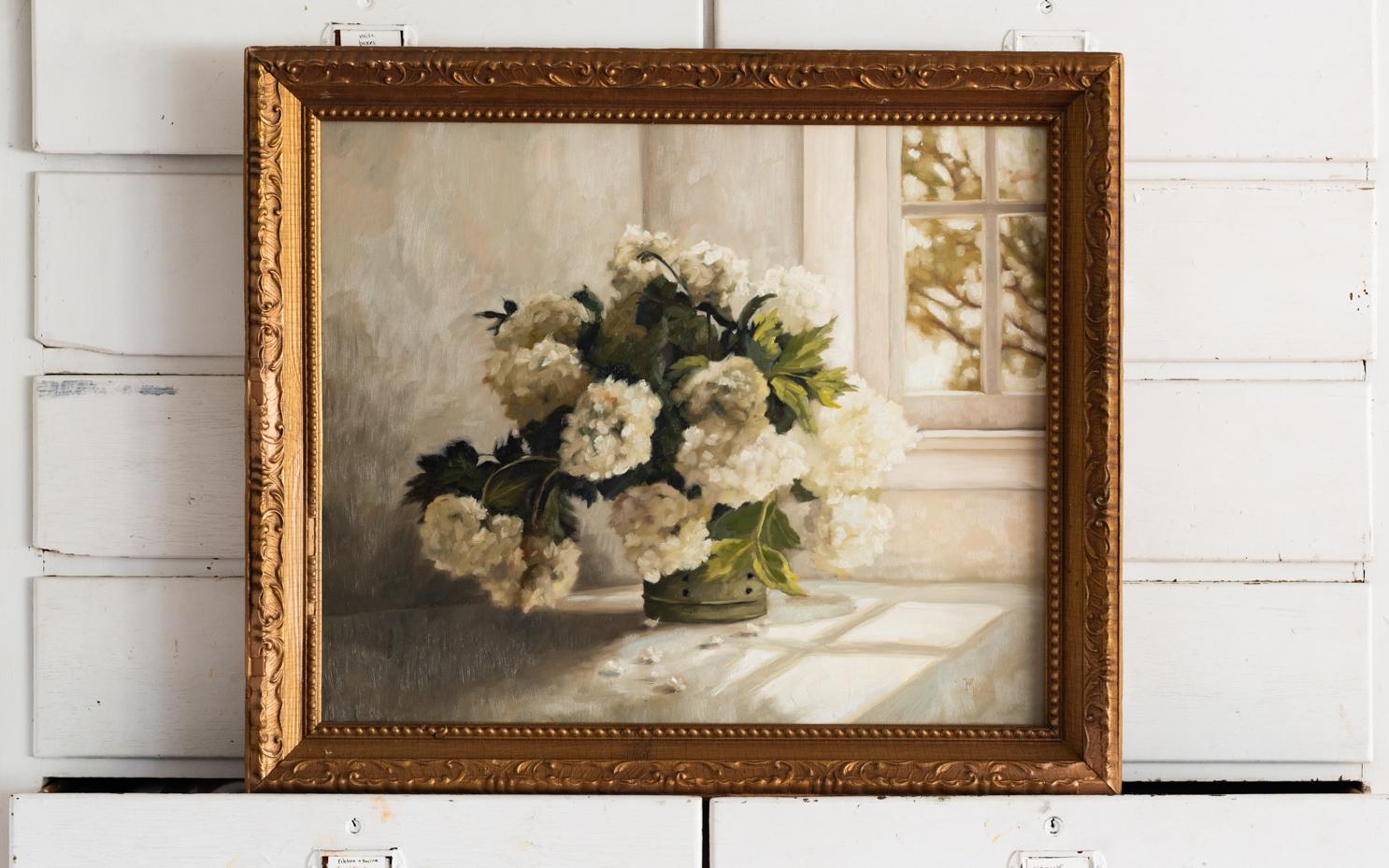
I also want to share why I love oil paints above all other fine art mediums. To me, it is the most forgiving. You can scrape it off again and again without ruining your surface. Even paper and graphite will eventually reach an unsalvageable tipping point. You can blend oil paint beautifully and the colors are rich and lustrous, much more than acrylics. I also love the texture of oil paint. You can mix it anywhere from inky thin to a thick emulsion that holds brushstrokes and marks beautifully. You can almost sculpt with it.
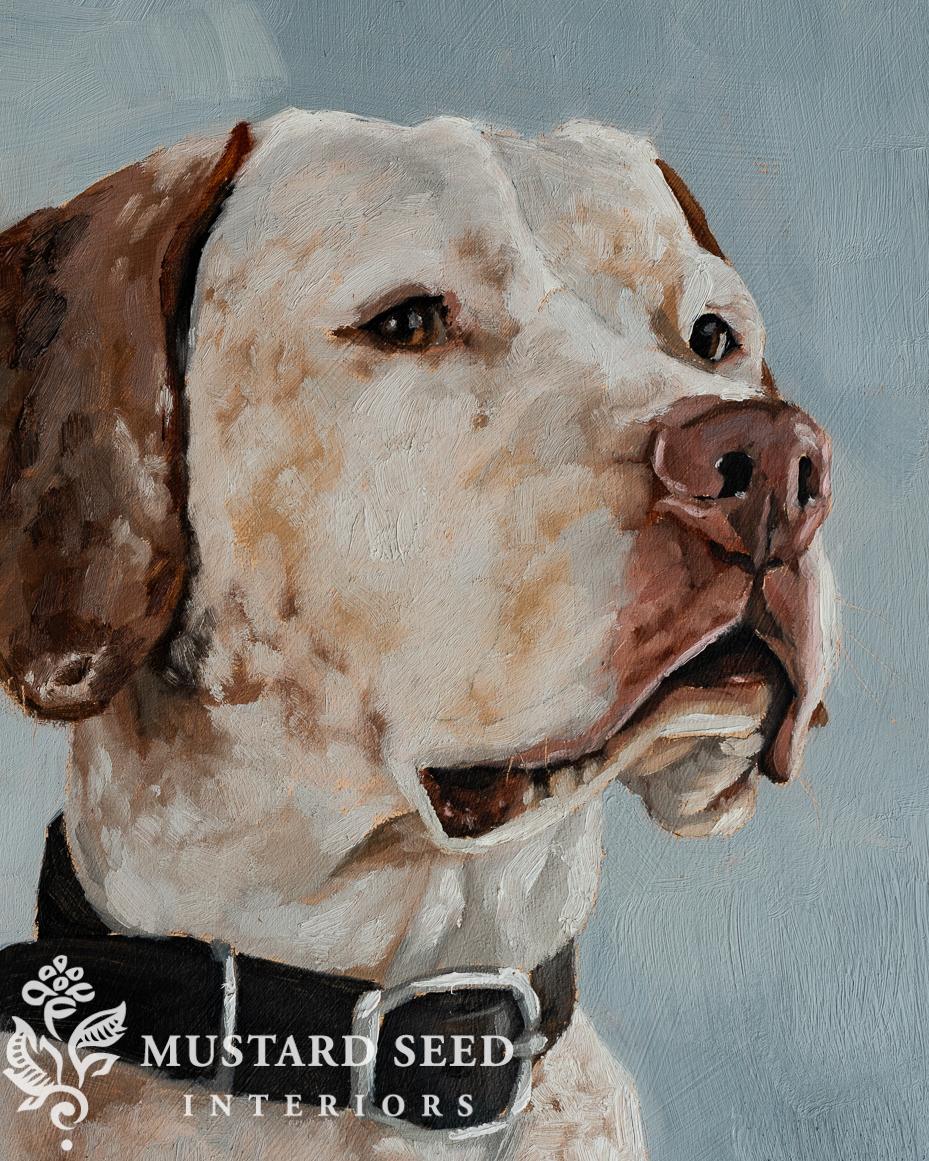
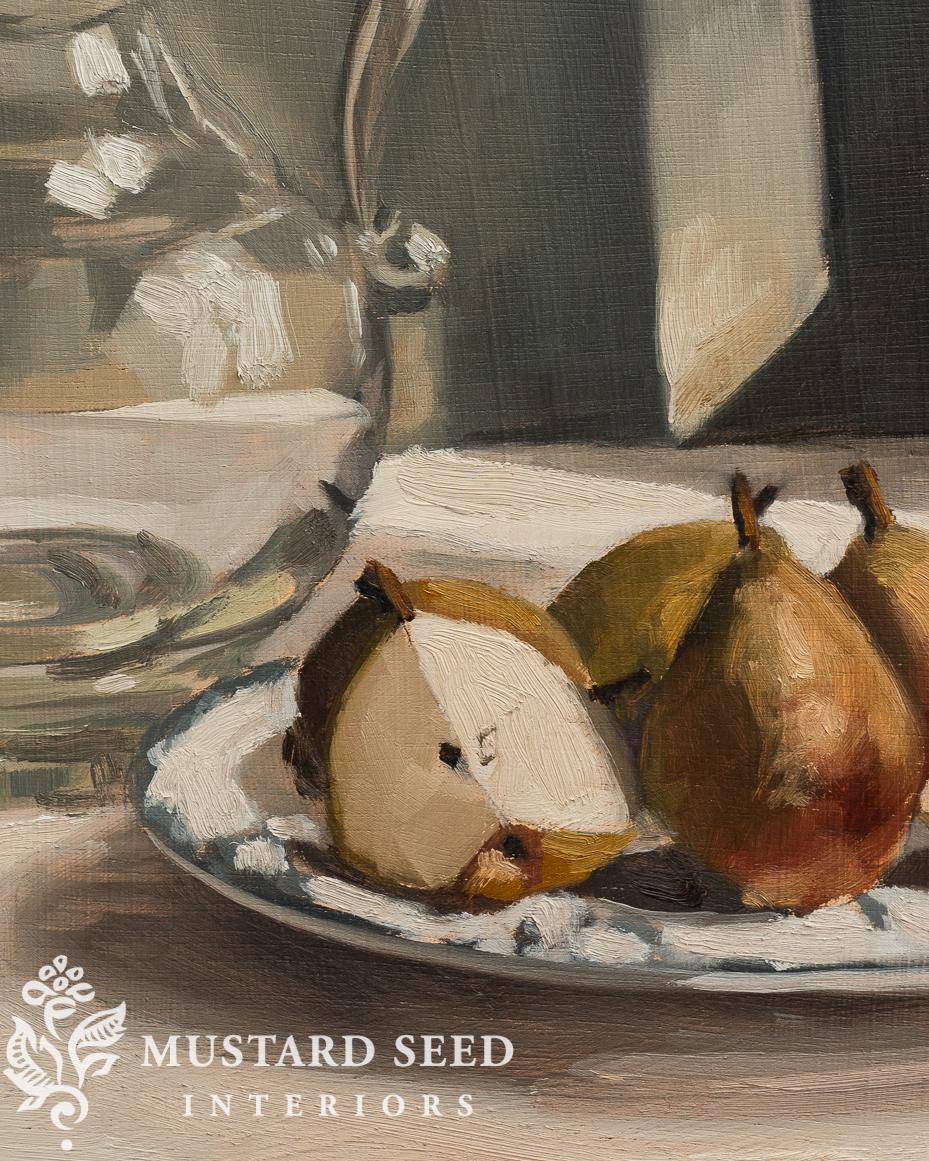
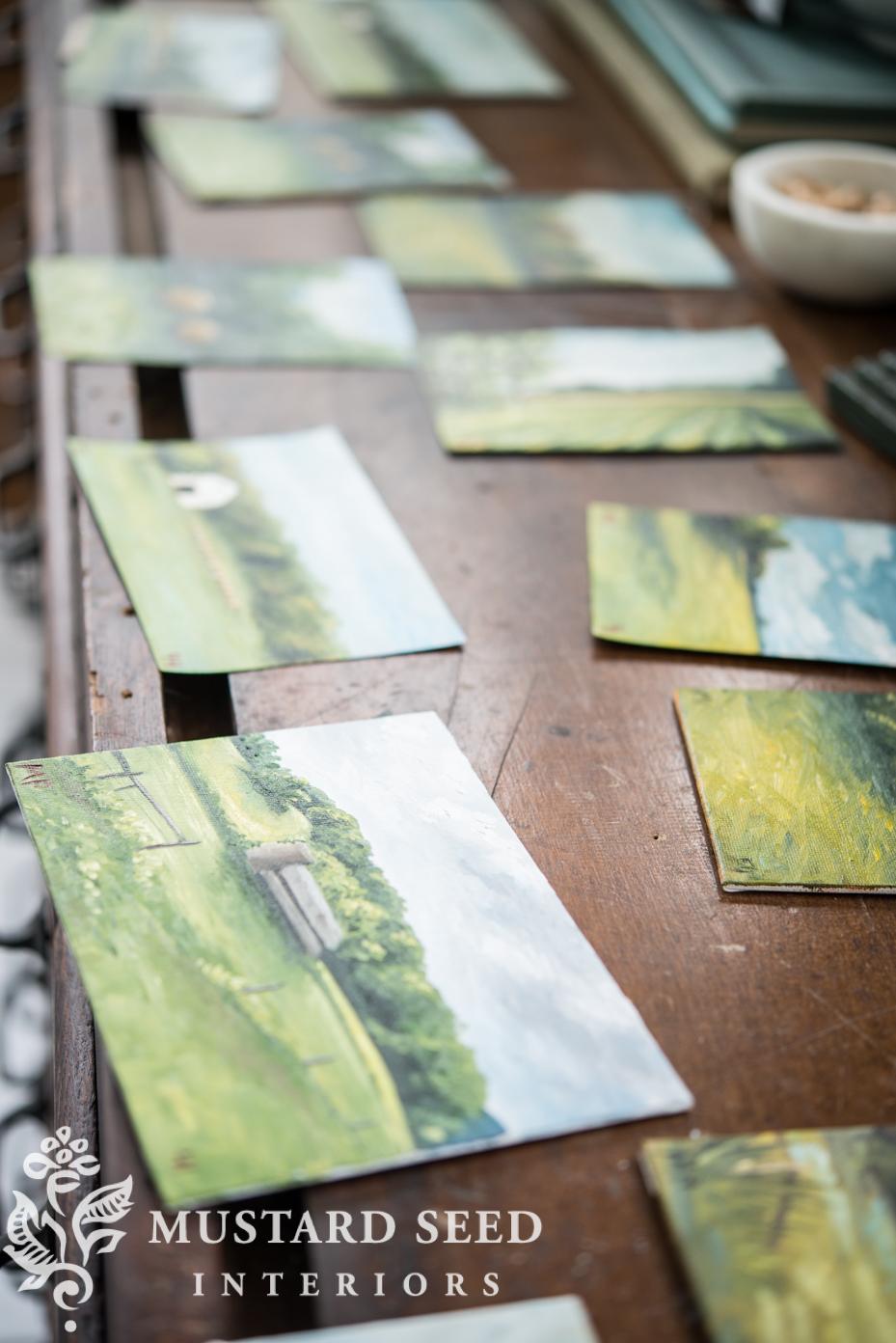
If you’re joining us for the Index Card Art Project (you can find details HERE) and want to try oils, I hope this will give you the encouragement and information you need to go into it confidently.










9 Responses
Thank you. Have you ever tried the water soluble oil paints? I bought a small set a while back, haven’t used them.
I have and didn’t like them. To me, they are much stinkier than regular oil paints.
Should each paper towel be in its own plastic bag, or are a couple together ok? Thanks for all this info!
I put all of the paper towels from one painting session together. It’s typically 2-3.
Thank you for this! In college 40 years ago we used glass squares vs wood. Worked well, easy cleanup as you just wipe paint off. Also I didn’t know about the lead issue which concerns me. I know about the cadmium issues. Geez. Also with all the issues with plastic lately I wonder too about gloves. But I’m messy too I just can’t imagine using them but like your logic. I can’t remember what we did with wipes. I think we used rags. I didnt know you could use Murphys Oil soap or Dawn! That’s great!!! I’m still on the Acrylic vs Oil but I’m prepping for the change still.
I also purchased that book too. You have good recommendations!
Lead is only in certain whites and yellows and it’s always labeled. It’s typically in the name – lead white, lead tin yellow, etc. Most people use Titanium White and that does not contain lead. I use Flake White Replacement and that doesn’t contain lead, either.
I don’t paint with artist paint, I just paint furniture or walls but I found this extremely helpful and informative. Thank you.
homemade soap works awesome also , takes oil paint off your skin faster than Murphy’s, I also use to clean my brushes also , I leave a bar by the sink in a soap dish
I really love oils and started back up with you when you recorded your first few then bought one of your tutorials. My only concern was the fumes. Other than that, I REALLY wanted to stick with it and found that life gets in the way, ha! I would start then my paints would dry out. I realized that I was putting off paining because I didn’t want to waste and yes, the clean up, for just a few minutes of wanting to paint. I decided to play around with watercolor….I don’t have to worry if it dries. I find myself getting in a few minutes of paining every week and although oil is my desire, I especially want to learn clouds, I am able to be creative and have a few minutes of quiet with watercolor. Thank you so much for sharing your art journey! I will definitely be coming back to try some of these!