
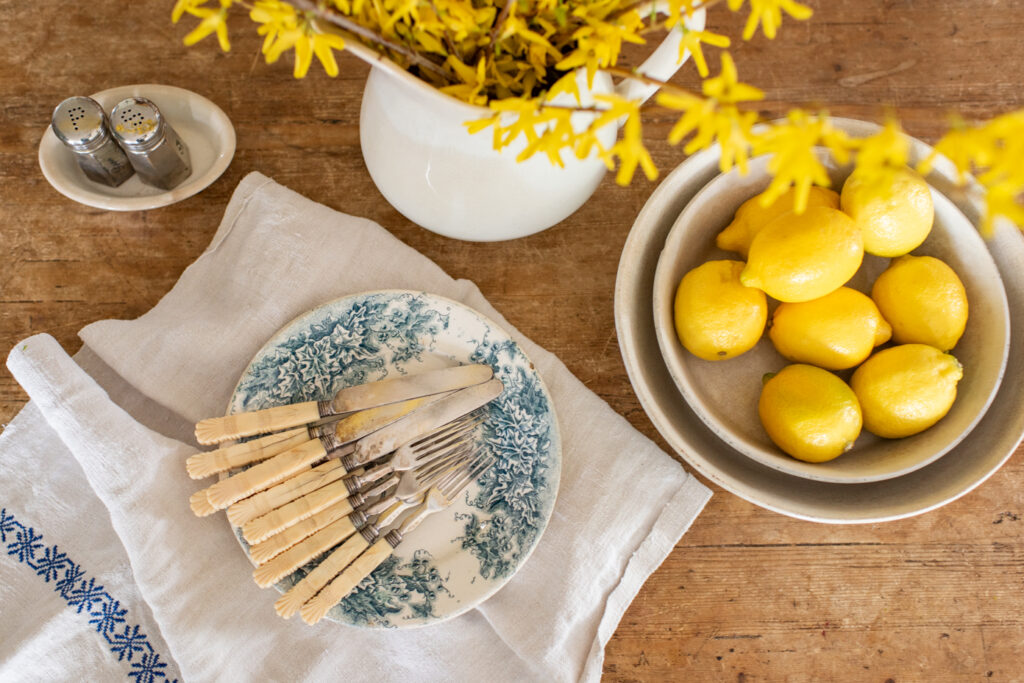
I have loved antique transferware plates for years, decades even. I think they were one of my earliest yard sale purchases as a newlywed. I remember reading a magazine article that showcased stacks of mismatched antique transferware plates that had been collected over time and I fell in love with the idea of having a set of dishes that wasn’t a set at all. I also subscribed to the idea early in my decorating journey that pretty plates and platters made unique and inexpensive wall art and I’ve been hanging them on the walls ever since.
Even though I have well over 100 plates and platters (it’s probably closer to 200), I still am drawn to them and find new excuses to acquire them. Well, these would be perfect for a still-life painting, so I can buy them to use as props. If you’re a collector, you understand that some things just speak to you.
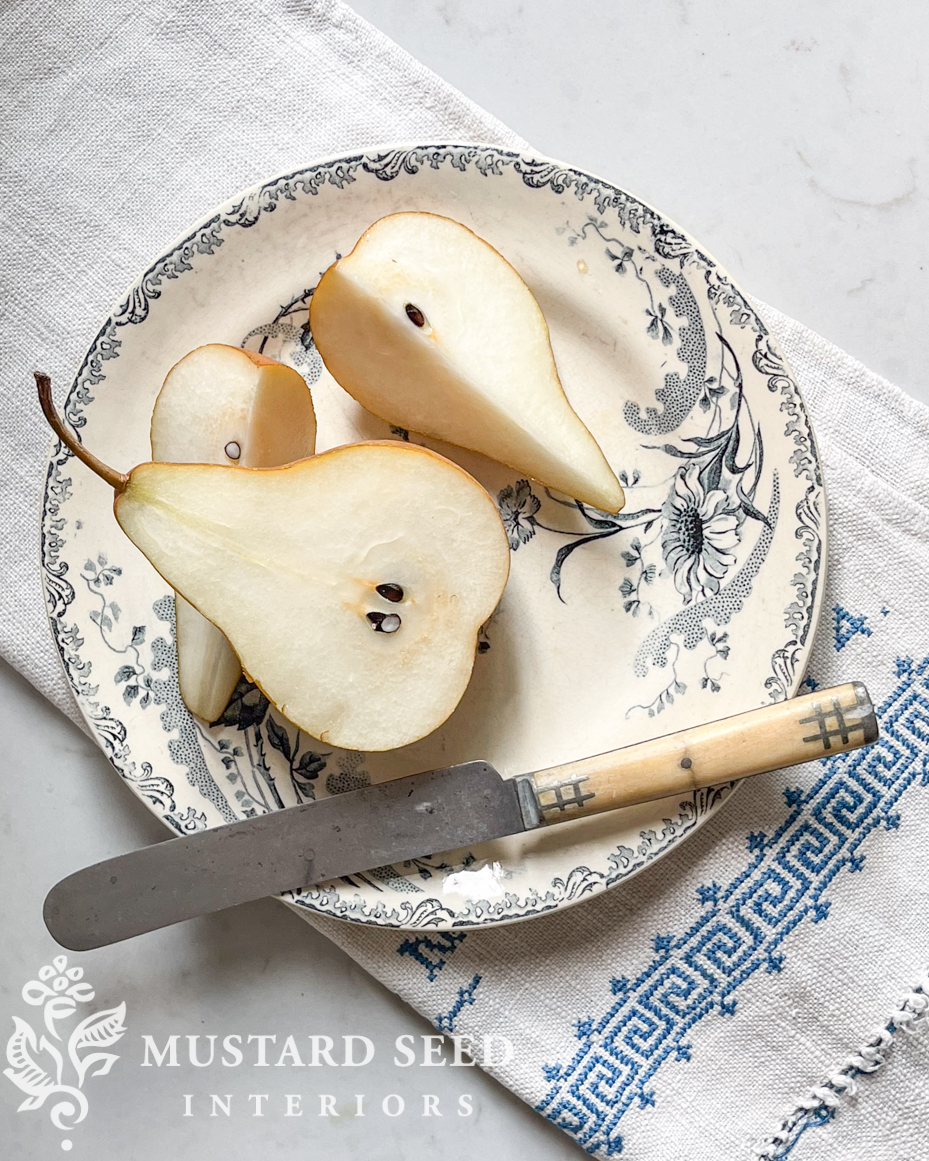
And I do love painting transferware, so it’s justifiable!
I’ve been watching my friend, Maria of Dreamy Whites, purchase a beautiful variety of antique transferware plates from around Europe and I finally picked up a set a few weeks ago when she was running a sale.
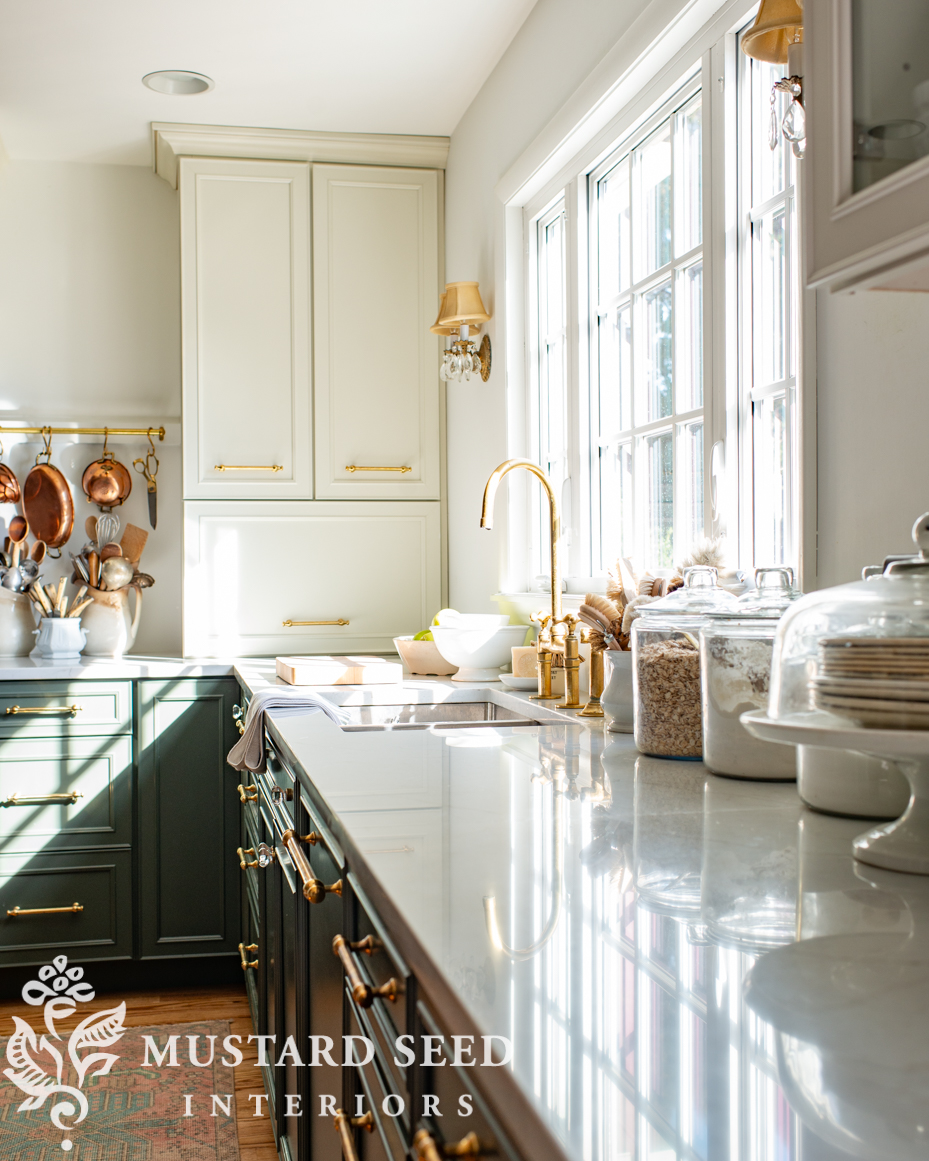
I keep them on the kitchen counter, stacked on an ironstone cake stand under a cloche with some other antique transferware plates from France. You can see them peeking into the bottom right of the picture below…
But, of course, I pull them out for photo shoots, styling vignettes for still-life paintings, and other special occasions.
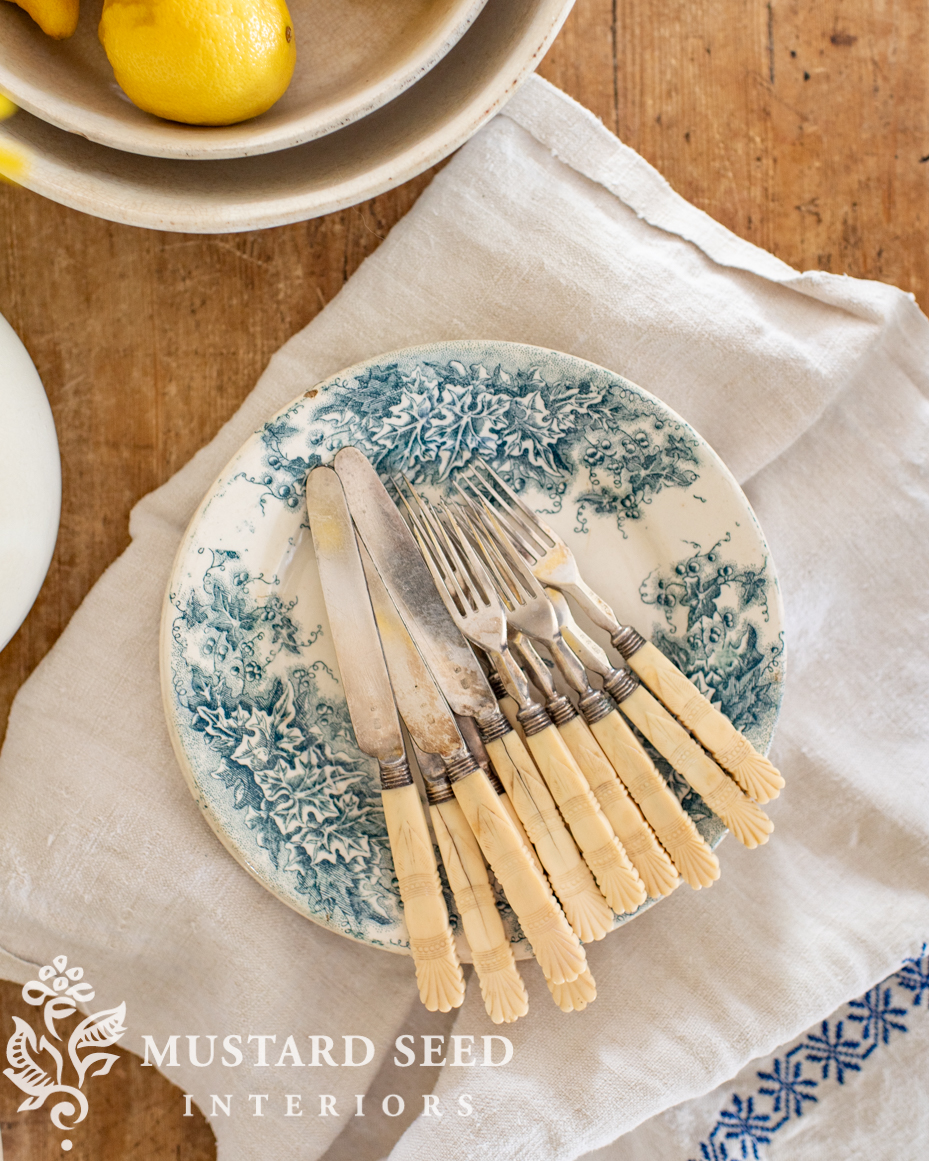
Since I have so many dishes, I am often asked about the safety of eating off antique china, stoneware, and other old tableware. While I am reasonably knowledgeable about antique ironstone and transferware, I am not an expert on the materials used in the glazes of specific manufacturers during specific periods. Ultimately, it comes down to what you’re comfortable with, so I would suggest researching your specific dishes to see if the glaze contains lead and if there are any special instructions for dining and care. I have some ironstone that is safe for everyday use and putting in the dishwasher and I have some plates from the 1800s that I just use for decoration. If you do want to use antique plates but you’re unsure about their safety, you can use the antique plate as a charger and serve food on clear glass or solid-colored plates. I’ll also use parchment paper on antique platters to prevent food contact if they’re questionable.
I can say for certain that you don’t want to eat off of antique plates if the glaze is crazed, cracked, chipped, or otherwise compromised. This greatly increases the risk of harmful materials leaching from the plate into your food. It also protects the antique dishes from being damaged and potentially stained by liquid that can seep through the cracks in the glaze.
The nice thing about collecting antique transferware is that it is readily available and easy to find. I’ve picked up pieces for pennies at yard sales and thrift stores, but they can also be found in abundance at antique stores, flea markets, estate sales, auctions, and online marketplaces. And, since they are so abundant, you can usually score some real bargains. The age, condition, specific piece, rarity, and overall desirability of the piece or set can affect the price dramatically, but you’ll come across many budget-friendly beautiful sets and pieces to be purchased.
Maria continues to add new plates, sets, and pieces to her online shop HERE, but you can also shop for antique transferware on and .
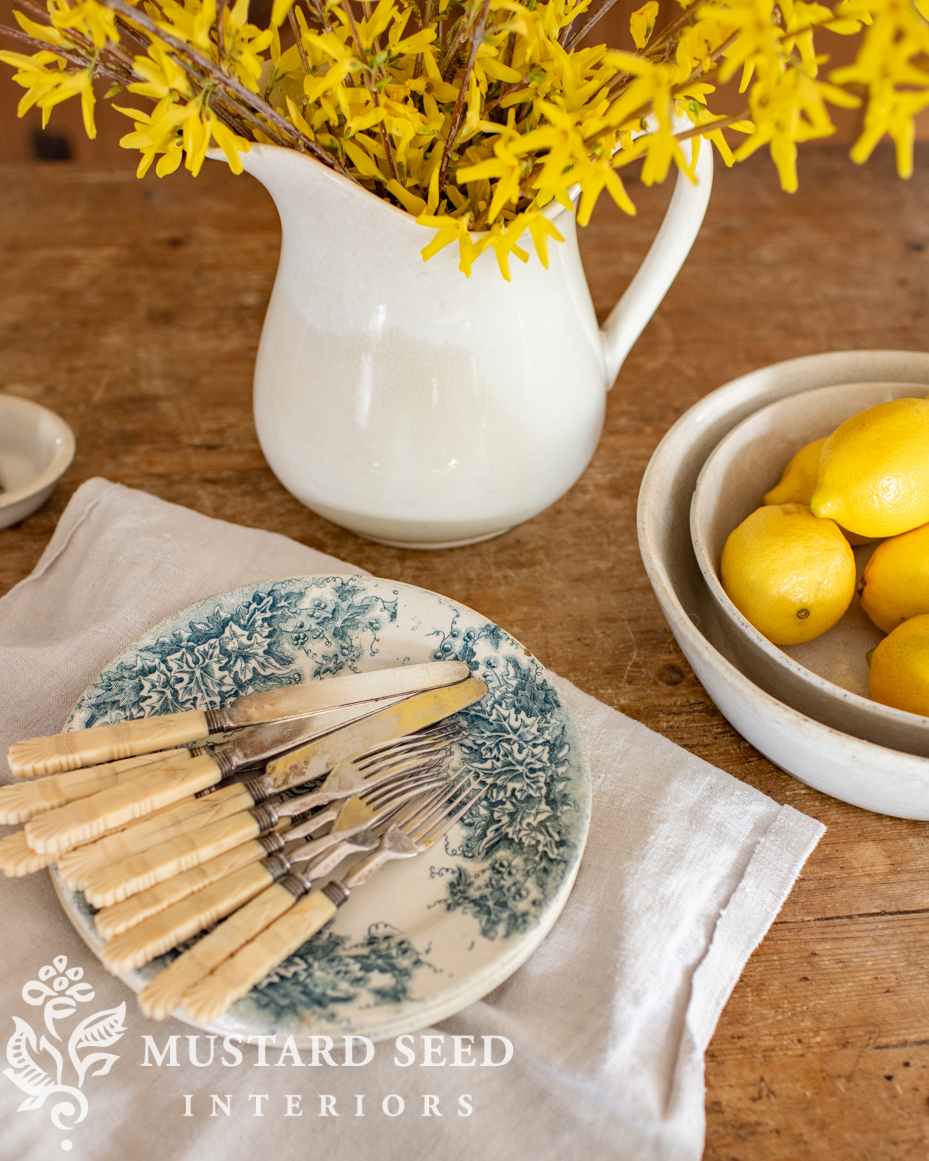
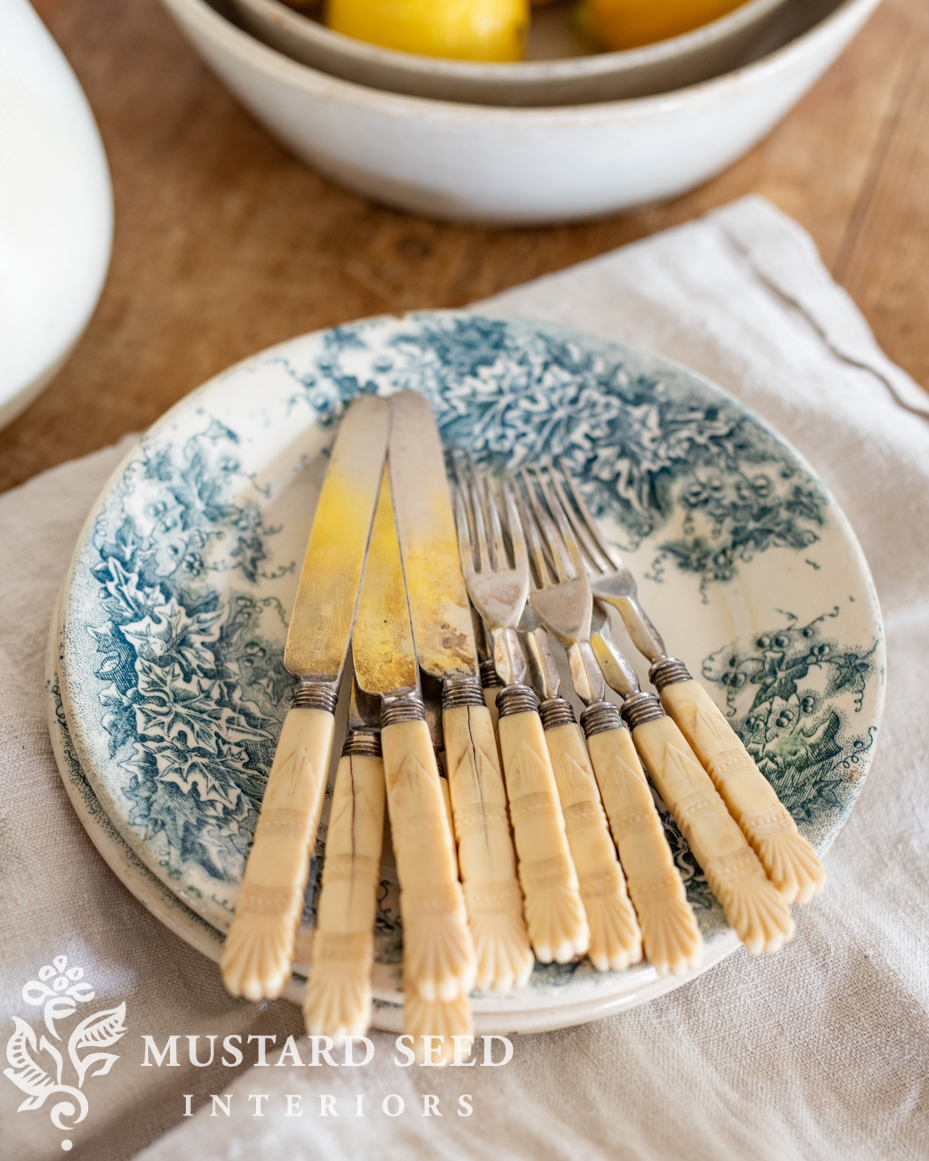
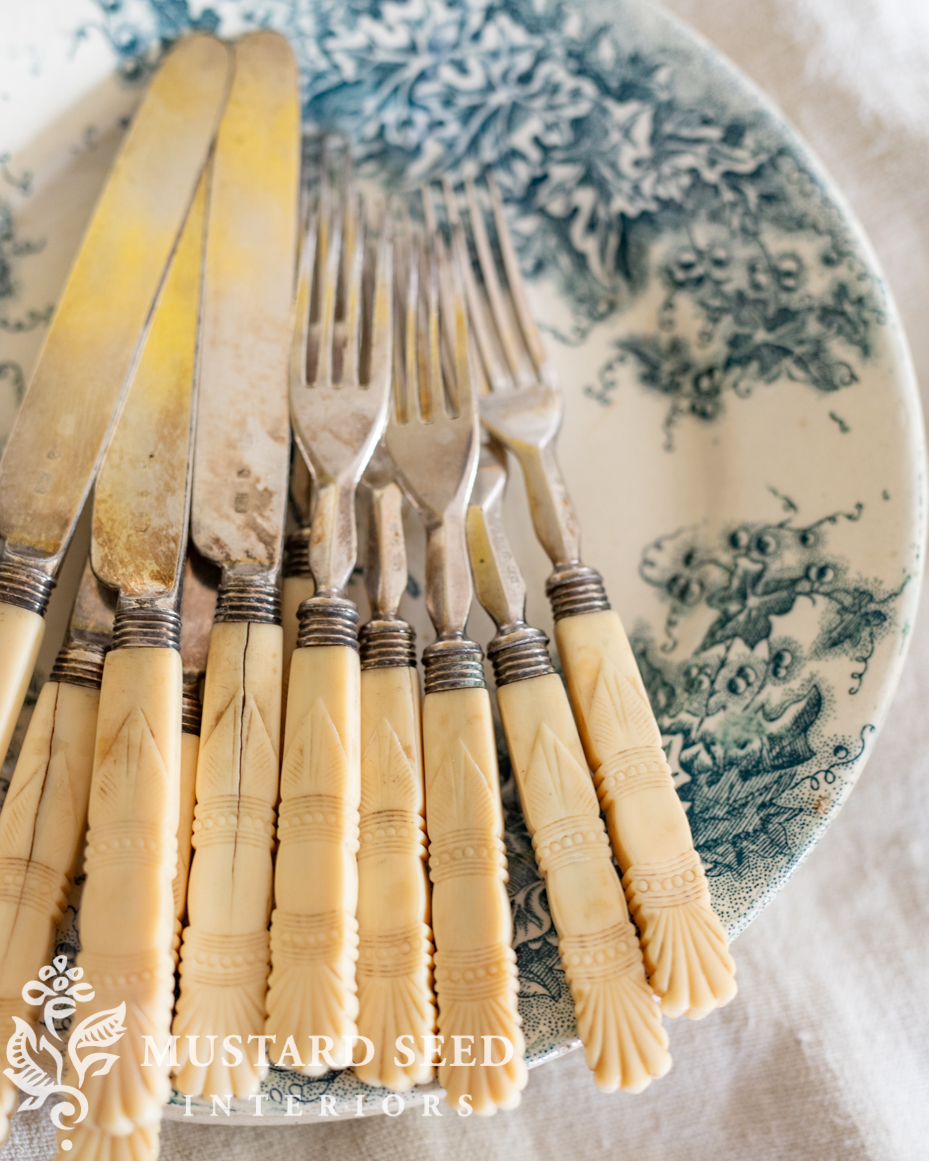
Lest I have too many plates and not enough utensils to go with them, I also have a soft spot for antique flatware! I shared about my love of Civil War-era utensils HERE. I purchased the set in these pictures a few years ago at an antique market and they are some of my favorites. They are English with delicately carved bone handles.
At some point, I’m sure there is a line that is crossed where one has too many plates, but I’m willing to explore those boundaries…








13 Responses
I bought a new blue willow teapot and a sugar and creamer to go with it. I decided to pick up a few teacups. When I next looked up, I had service for twelve with vegetable dishes and meat platters and soup tureens. Oops.
When we downsized to move into our retirement condo, I only kept the blue willow and let all the other dishes go. And I’m happy every time we use it. Yes, we put it in the dishwasher.
Life is for living. We enjoy our pieces and don’t save them for ‘good’.
I also love transferware and have been collecting pieces as I find them! I mostly get blue and white, but sometimes also green and white. However I limit myself to those two colour schemes, otherwise I’d have way too many dishes for the amount of space I have!
Thank-you also for mentioning the danger of eating off of chipped dishes. I see so many people doing that, and I don’t think they realize what goes into ceramic glazes.
I love the dishes you got from Dreamy Whites and I’m grateful that you are able to get them. Even though I only live a couple of hours from her, her prices are way, way too expensive for me. I have found some sweet blue & white antique dishes probably from Ebay that I love. I do love the things at Dreamy Whites, wish I could afford something. Happy for you!
Marian, I love your stacked plates on a pedestal under a glass dome. It’s such a remarkable way to enjoy the beauties everyday. And, now I have an excuse to purchase a cloche so I can replicate your idea on my counter.
Sharing the fun on Mercer Island, WA,
Diney
Fifty years ago, my mother hung a small set of flowblue soup plates on the wall of our tri-level dining corner. Her mother had given her those family plates that year. I have loved flowblue transferware, and collected it, ever since. So pretty, so durable, then and now. Hmmm, as were my mother and grandmother.
Have lots of blue and white, also brown & white- I know people worry about eating off old dishes, but I think there is just as much to worry about with new dishes as well, not long ago heard that Corelle causes cancer- seems so harmless! And I do not trust anything made in China, would rather eat off my old plates than new from China. What will we find out about that in 10 or 20 yrs? So many of the old transferware and ironstone does have crazing. Hard to avoid.
I am going to England to visit my daughter and her family later this month. I am now thinking I will be headed to some charity shops while I’m there to look for treasures to bring home!
Charity shops are a great source ( they often contain a nice tearoom so you can refresh with a nice cuppa & a slice of cake) as are markets & boot sales where you can often find great bits & bobs for as little as £1. I just listened to a podcast that discussed antique prices and how much cheaper they are to purchase in the UK,even when shipping is taken into account.
Happy shopping!
Thank you for addressing the safety of using antique plates. I collected ironstone plates for a long time hoping to get enough of the wheat pattern to be able to use them with my growing family. Then I read an article about not using cracked, crazed, or chipped plates; and it ruined my plans. But they still make a great statement in my cupboards, so all is not lost.
I get so much inspiration from your blog; thank you for being faithful to continue blogging. I’m late to the game of being one of your followers.
Marian,
I have had an addiction to old dishes for years…there’s no cure, but I still enjoy decorating with the older pieces and using the new.
I always get so much enjoyment reading your posts and they always give me ideas and inspiration for my home.
Off topic, I purchased a reprint of your painting of the large schooner (Society6) sailboat. I’ve framed it and am always happy when visitors comment on how lovely it is.
Karen B.
I am an avid collector of transferware! What is great is that I live in the “land of transferware” as I call it! Not England, but rather Canada. My favorite colors are red and brown, but I also have blue, green, black, and purple. I try to keep my price paid very low (most of them were 99 cents!), but will gladly splurge on a spectacular piece like a teapot or platter. I use transferware for plate walls, shelf decor, photography, and holding other collections. I only use it for short-term cookie holding or the like, a dry food that does not interact with the plate.
It is unfortunately true that there are MANY types of dishes, including new pieces, that are made out of health-damaging materials, and it pays to teach young people in particular about this so that they pass this information on. Living in a toxic world it is important to be aware of the things we do have control over and can do something about. The dishes we actually eat off of is one of those areas where we can make a difference!
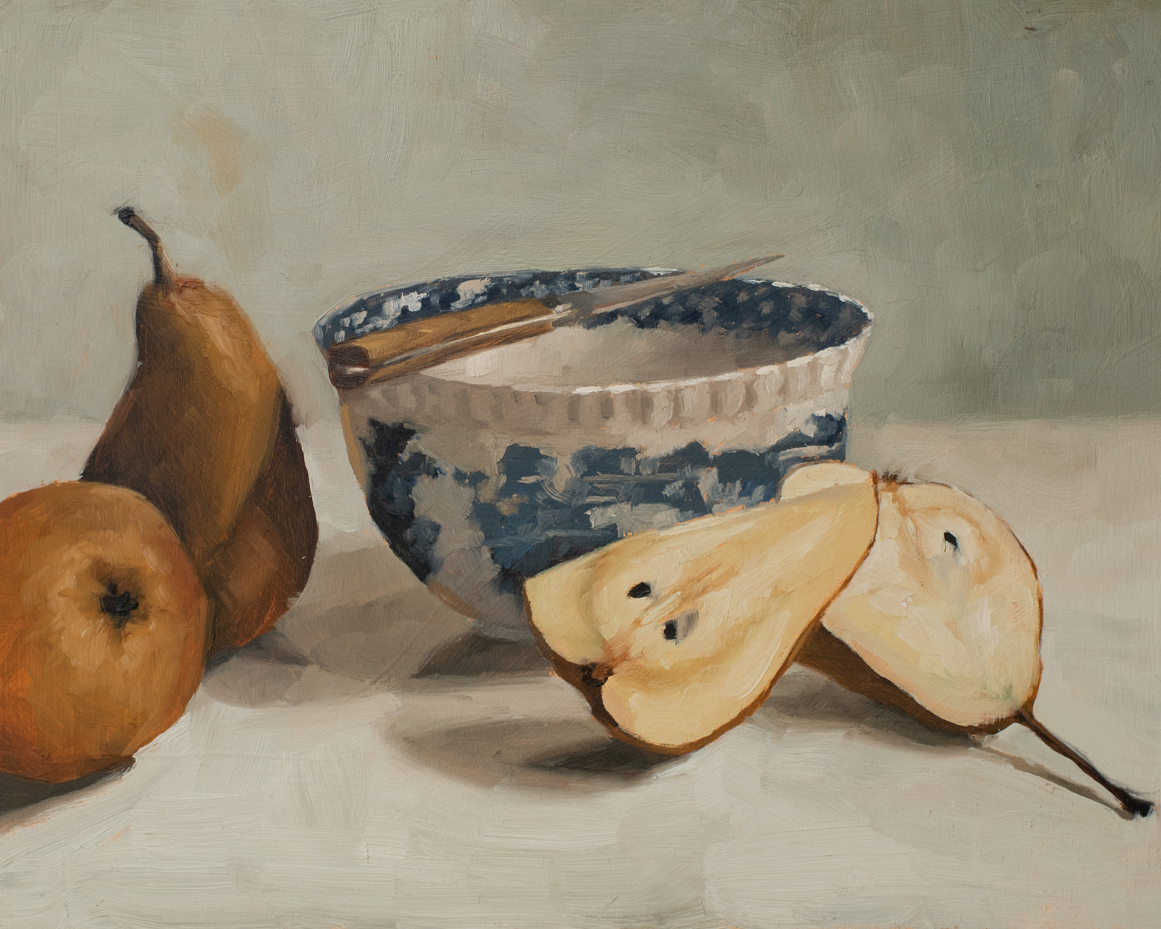
Is there a print available for purchase of the above painting with the blue and white bowl with pears?
I have red & white transferware that I’ve collected off and on since my thirties. And a little Johnson Bros blue & white. AND a full collection of namesake Adams Sharon transferware with the sweetest brown & white clovers (thank you FBMP). I’m looking at another polychrome namesake set that has red and yellow as its primary colors. I’m thinking of just picking up the salad or dessert plates as those would be easy to mix with my red & white transferware. (And my amber yellow namesake Sharon | Cabbage Rose depression glass)