
I have been drawn to portraits for years, so it was only natural for me to explore portraiture once I started drawing and painting. Painting portraits of living people can be tricky, though. Winston Churchill famously burned a commissioned oil portrait capturing his appearance in his retirement years because he hated it. It was a good likeness, but he was wounded by how the artist viewed and portrayed him, to the point that he threw a high-quality piece of original art by a celebrated artist into a bonfire. I like painting and drawing people, but I’ll likely do it for my own enjoyment and not on commission. Instead, I explored the world of pet portraits about three years ago. I can still capture faces, personality, and expression the way I see it, without wounding someone’s vanity! Now that I have quite a few pet portraits under my belt, I’ve learned the challenges of finding a suitable reference photo, especially if a beloved pet passed away and there is no longer an opportunity for a photo shoot. Since it comes up with some regularity, I thought I would write a post sharing my tips for getting a great photo for a future pet portrait. If you never commission a drawing or painting, you at least have a great picture of your pet, and you’ll always be glad you have that.
photo tips for pet portraits | get outside
My number one tip for getting good photos of your pet is to take pictures outside. You will have access to the best, most natural lighting.

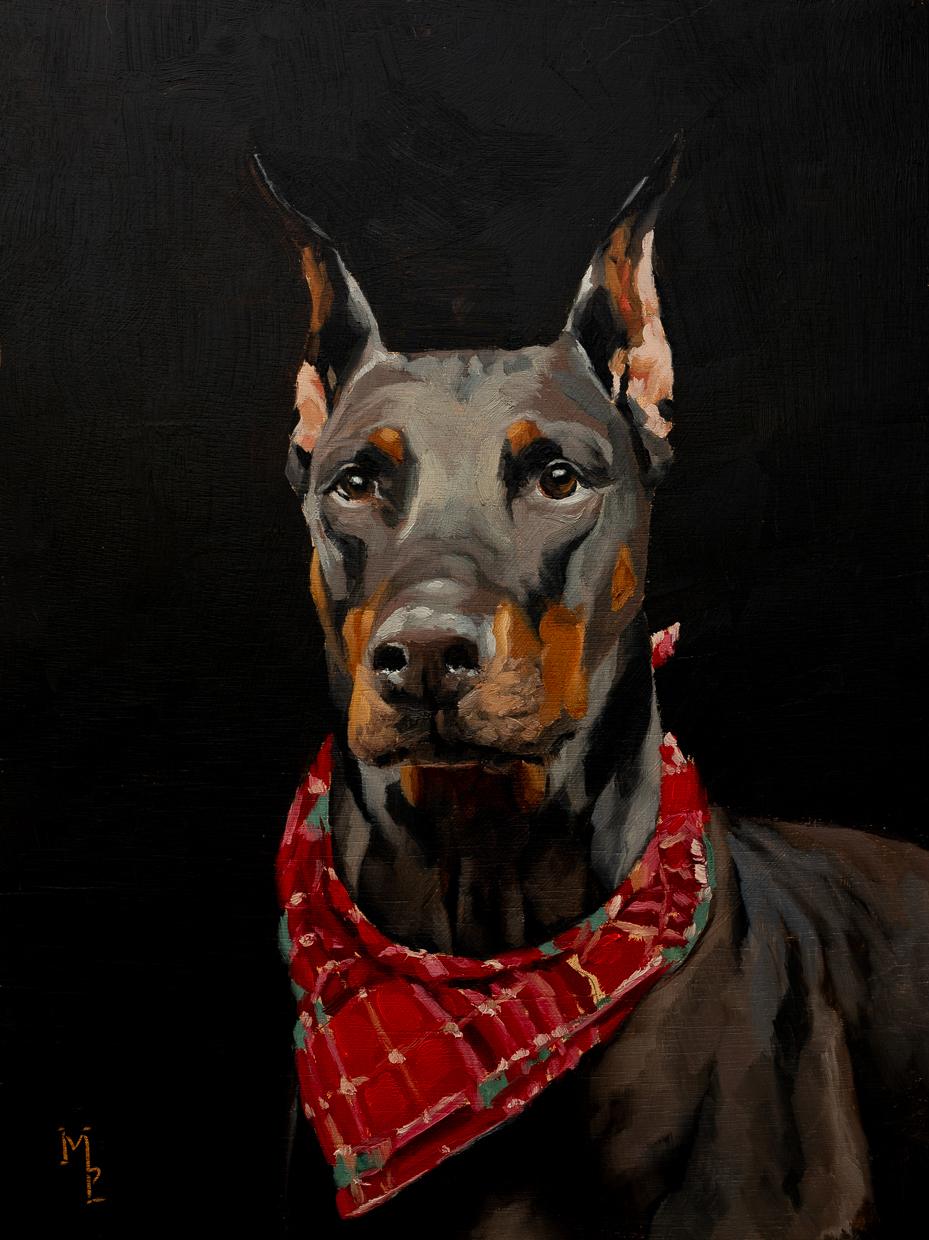
It’s even better if the light has some drama to it, so it catches the eyes and creates a nice contrast between light and shadow. Shadows help to make a subject look three-dimensional and lifelike, and dramatic lighting emphasizes that. It gives an artist more to get their teeth into than a photo with flat lighting.
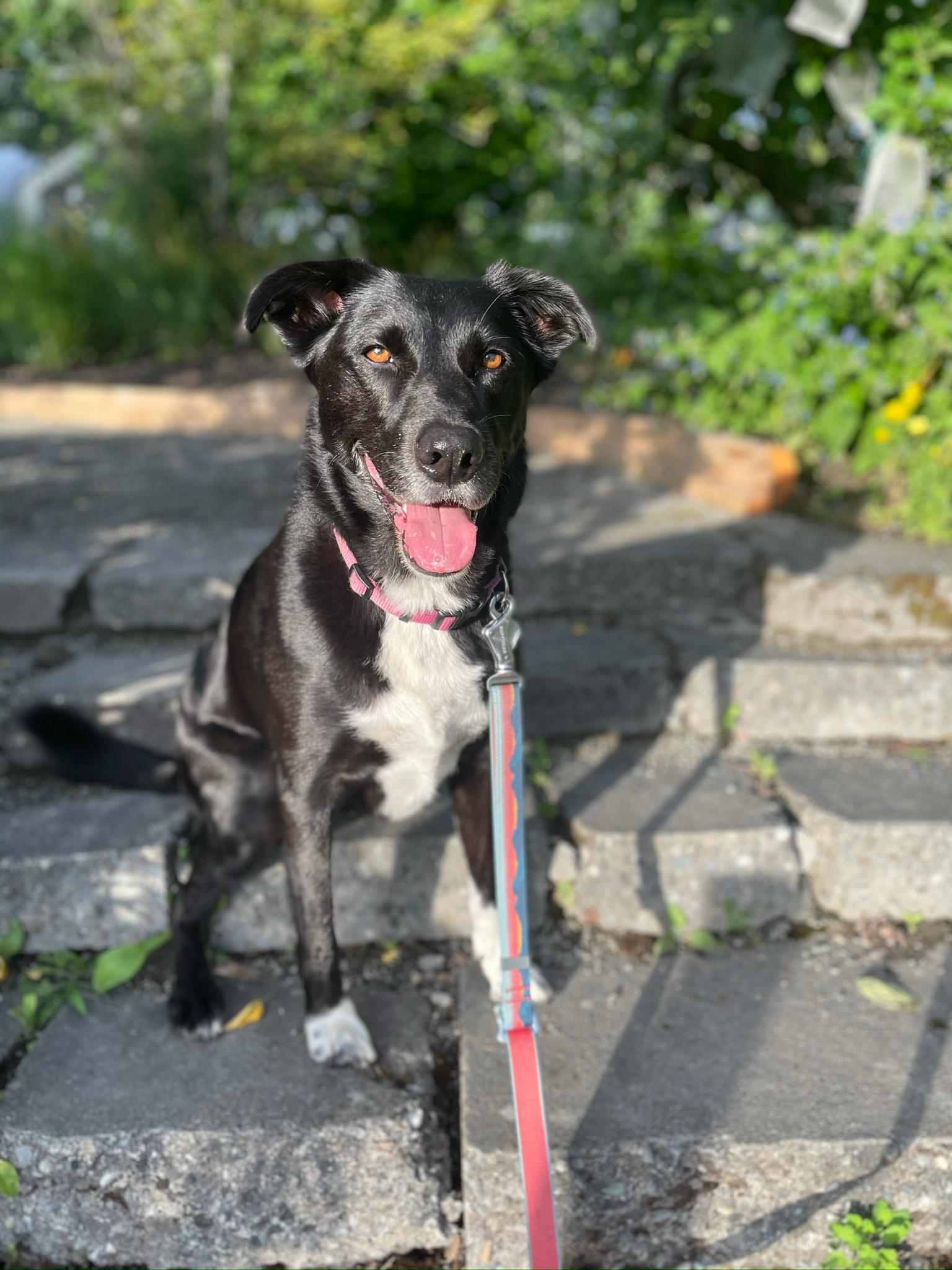
If your pet is indoor only or you’re finding it challenging to get good pictures of your pet oudoors, take pictures close to a window or in a pool of light.
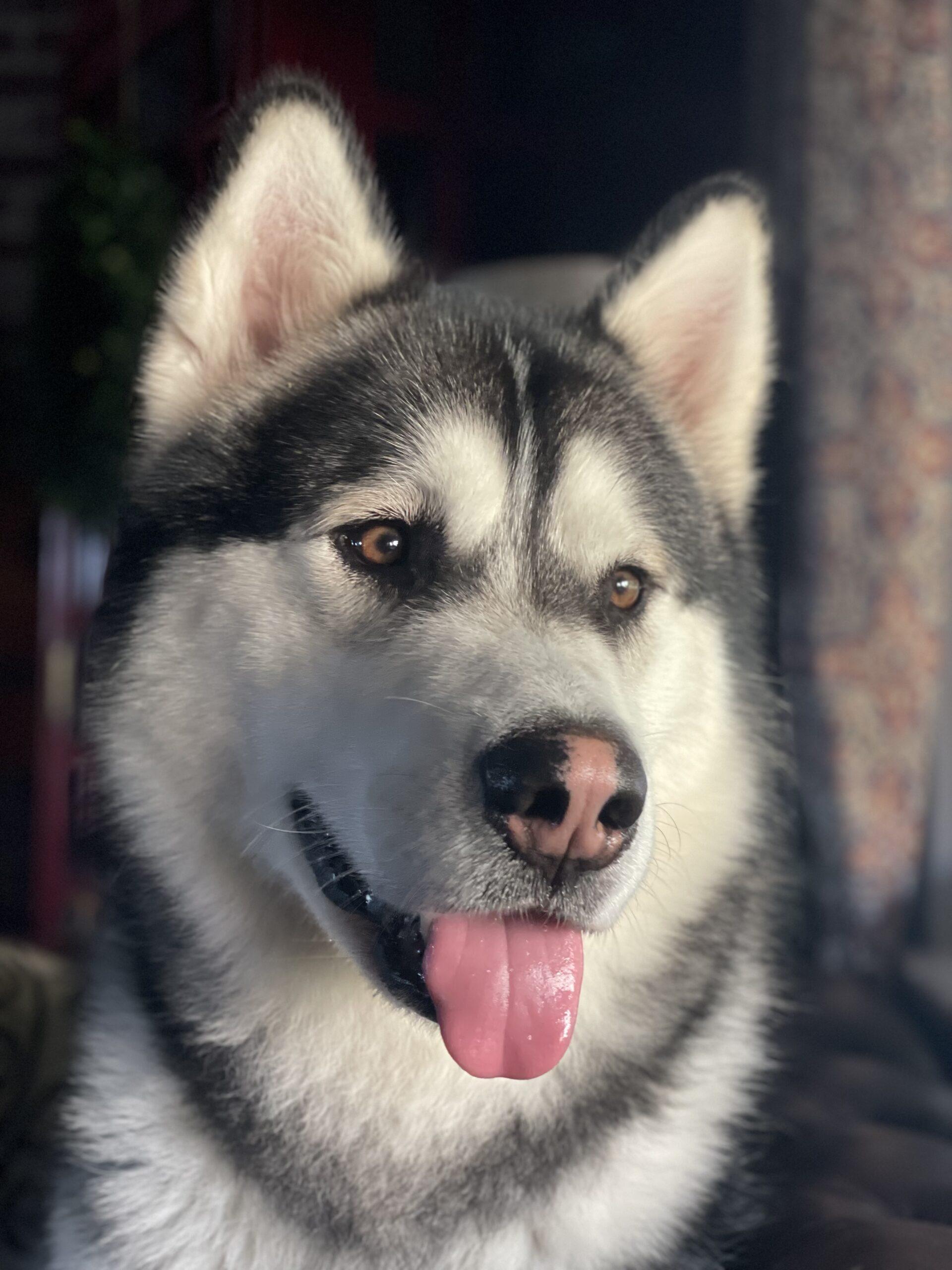
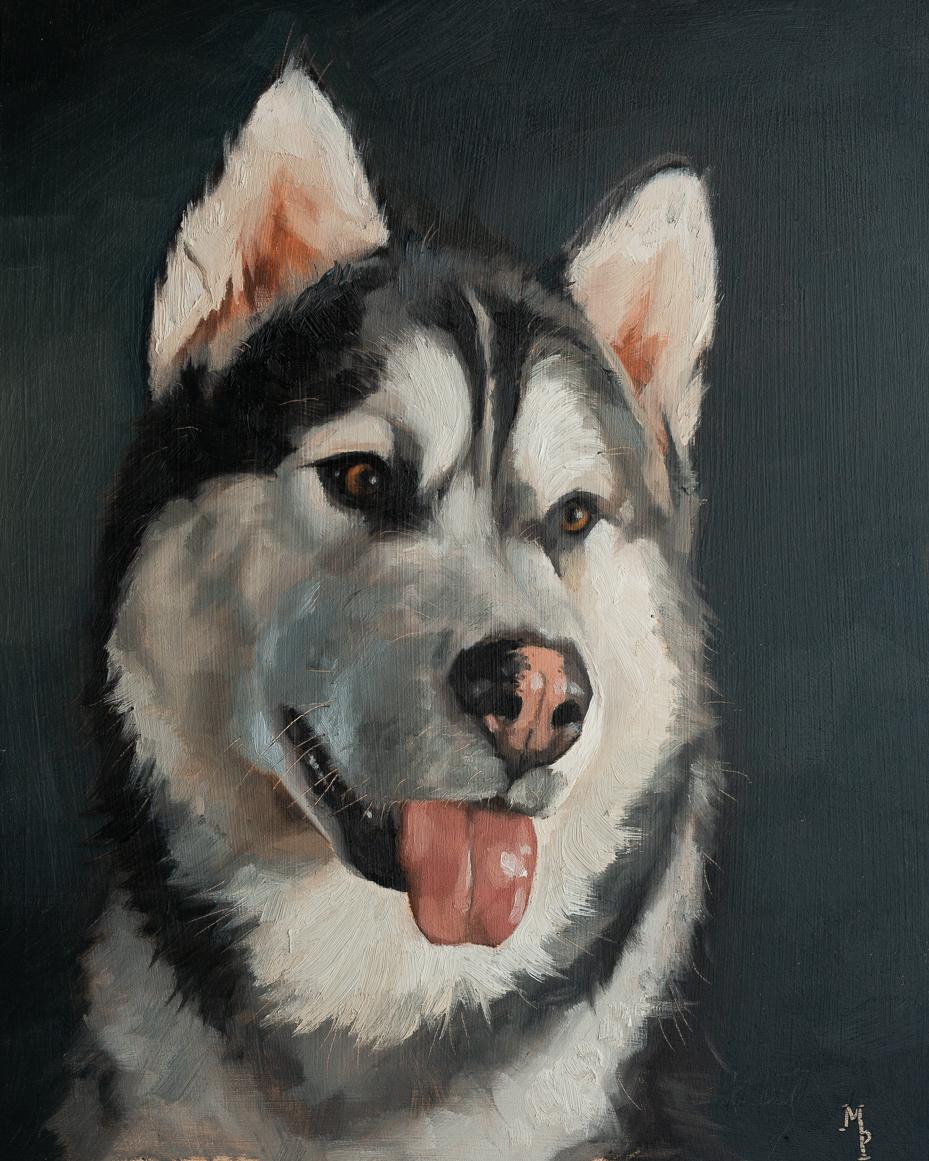

photo tips for pet portraits | get on the same level
I took a photography class years ago when we were all still shooting with film, and one of the best tips I learned was to get on the level of my subject. When adults are photographing babies, kids, and pets, our natural inclination is to take the photograph standing. This means the camera is angled down at the subject, which can create some awkward angles. A photo is much stronger if you get down on their level.
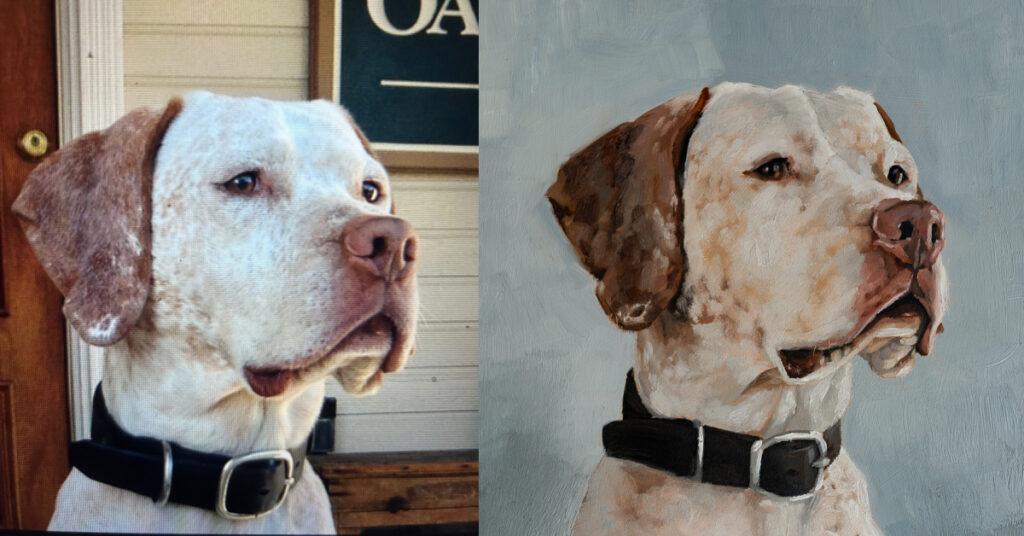
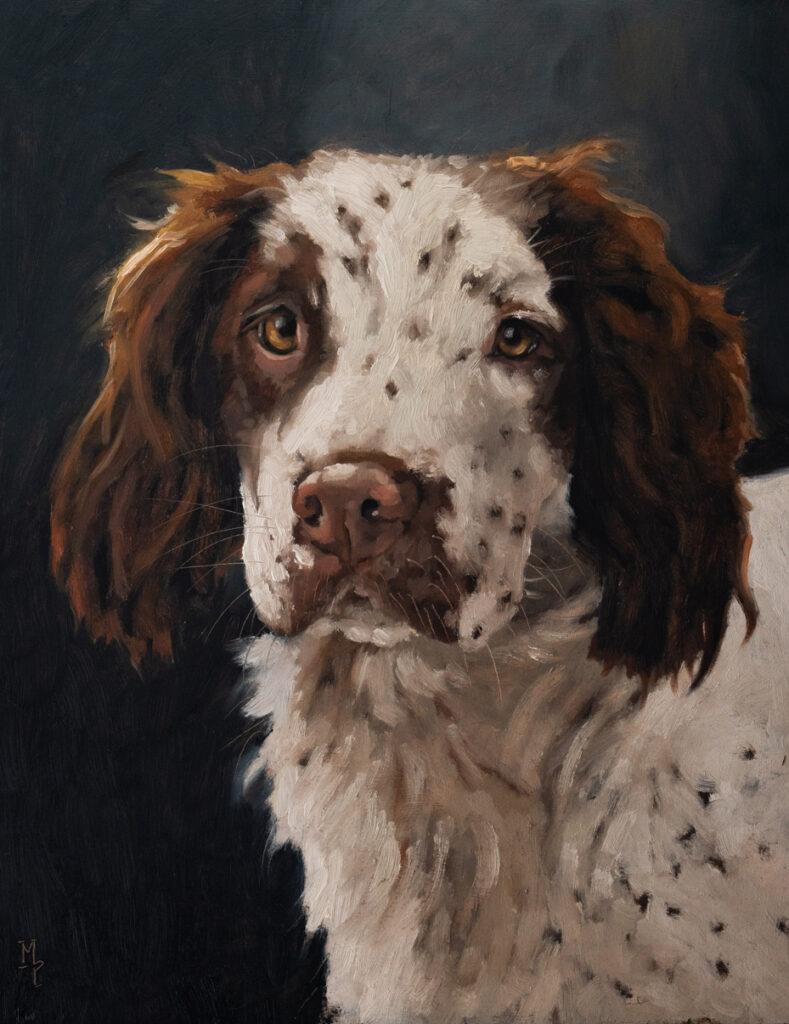
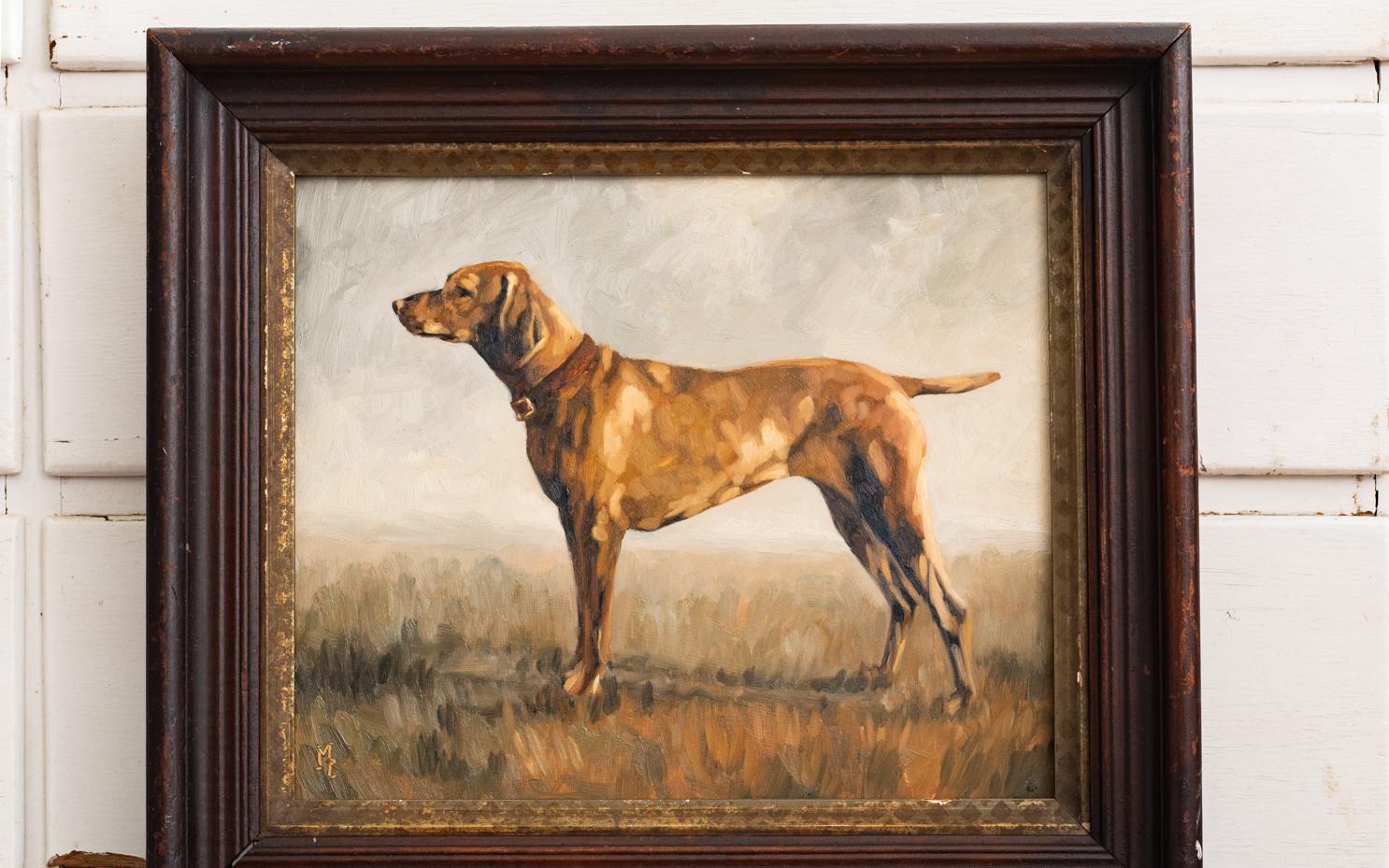
This is one of my favorite portraits, and I think it’s so strong because the photograph was shot from slightly below the dog’s eye level. It created a portrait that shows strength, perfect for a loyal, working farm dog.
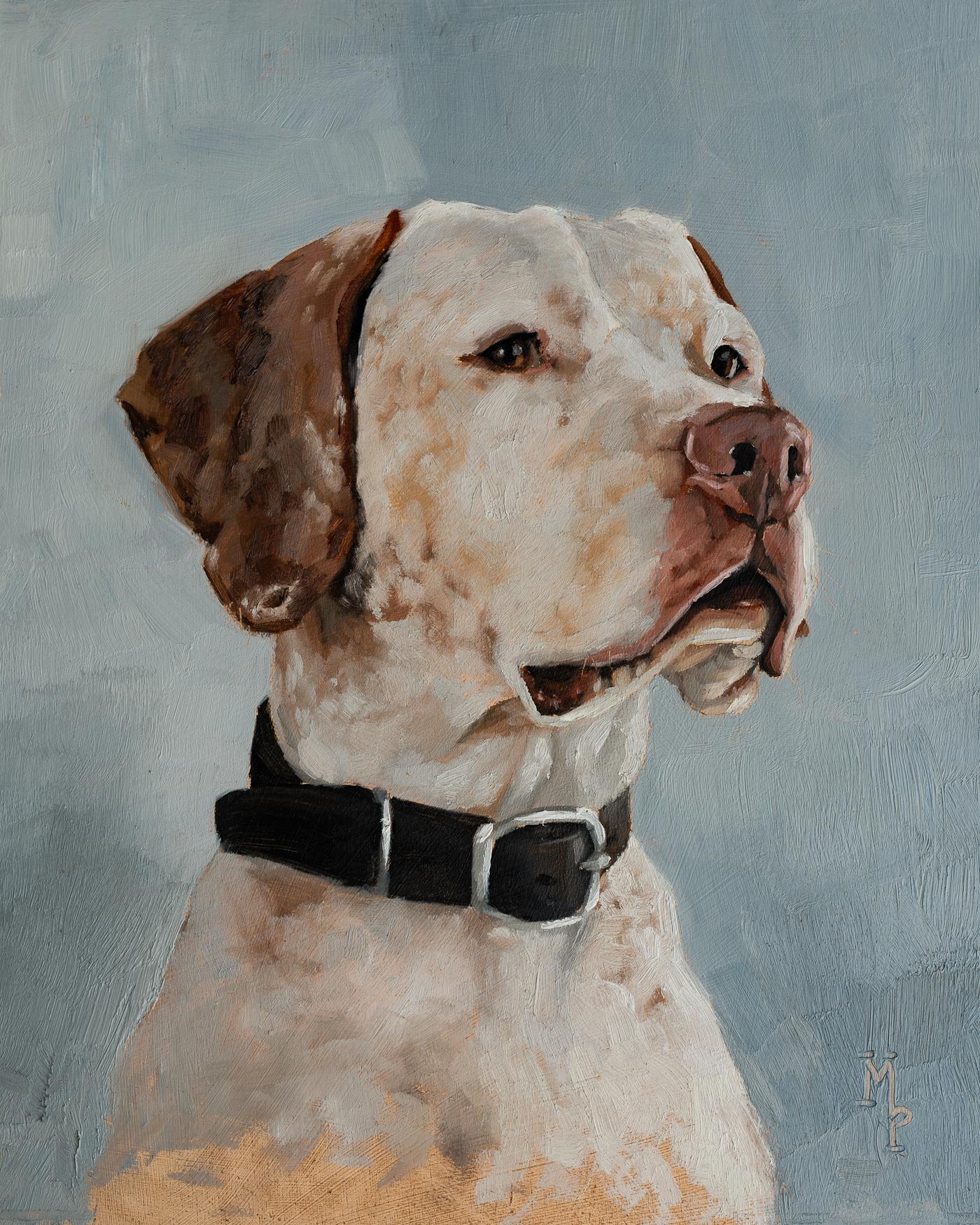
The photo itself wasn’t amazing on its own, but because it was shot in natural light from a good angle, it made a great reference for a painting.
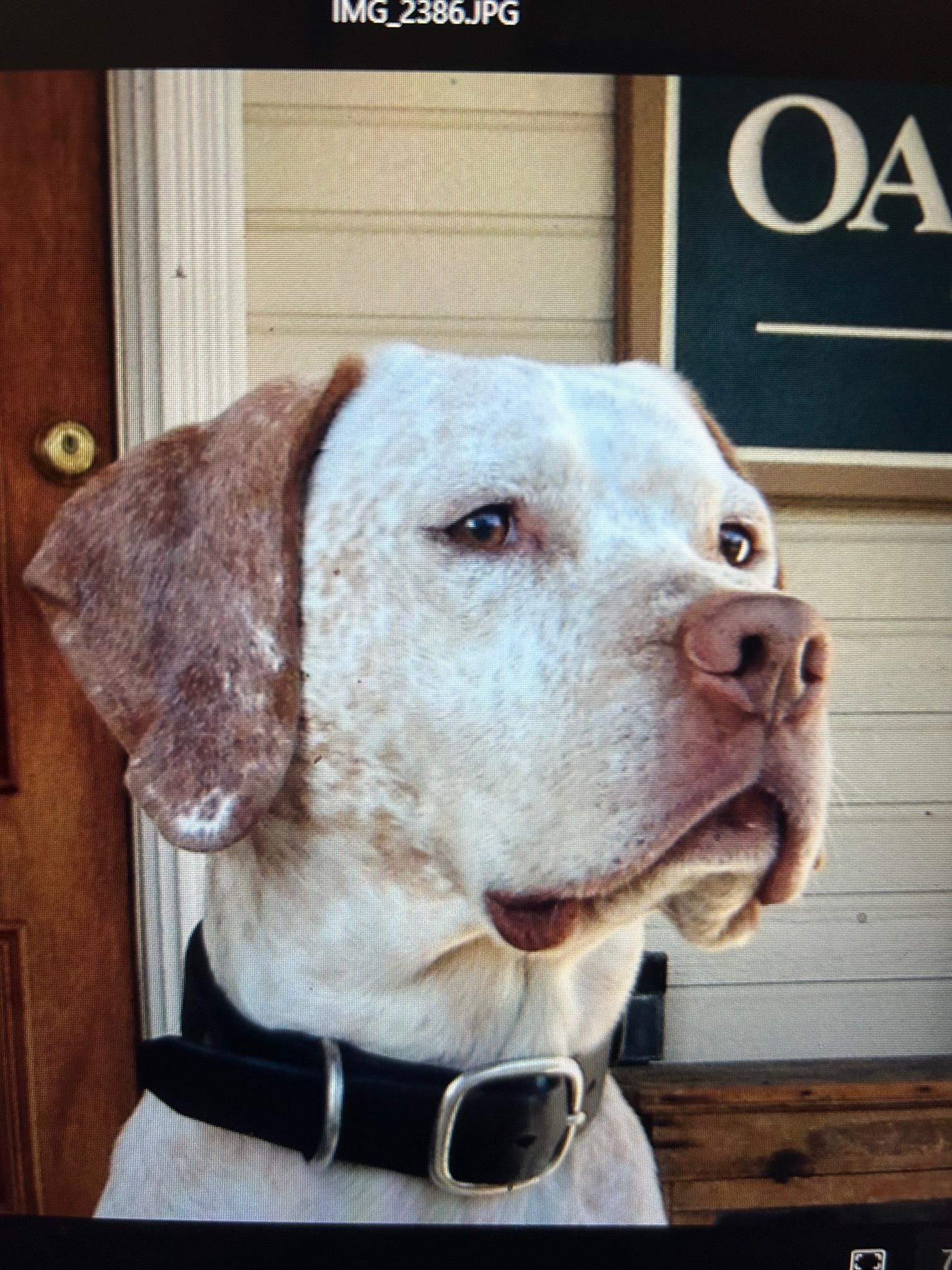
photo tips for pet portraits | watch your crop
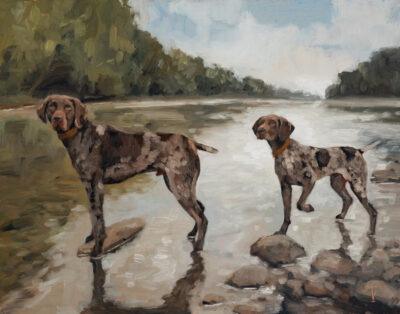
If you want a full-body portrait, make sure you’re not cutting off toes, tails, and the tops of the head in your crop. In the case of the photo below, we were cropping it to make a portrait, so the missing tail didn’t matter. In the event that you’re not sure what you want, get as much in the photograph as possible so you have options later.
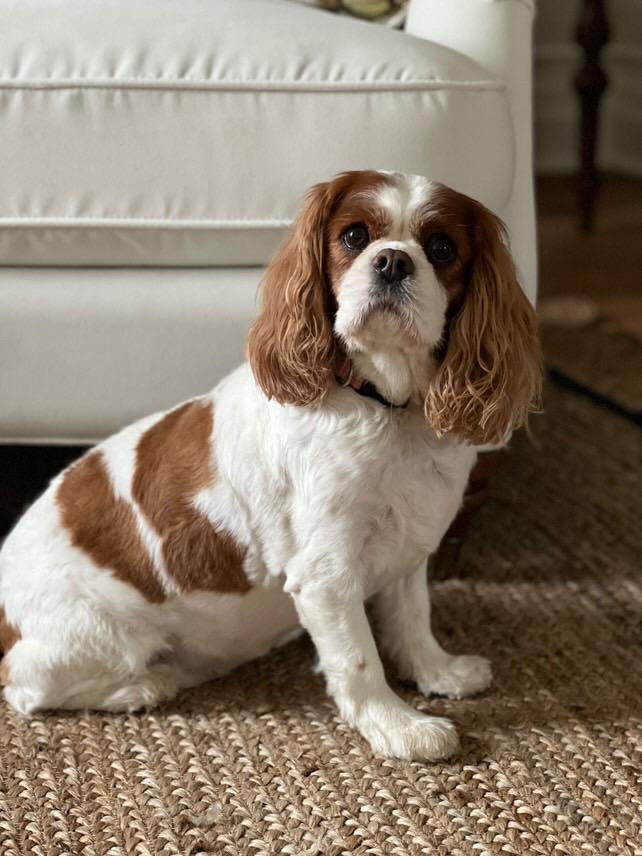
This photo is also a great example of one taken indoors with good lighting.
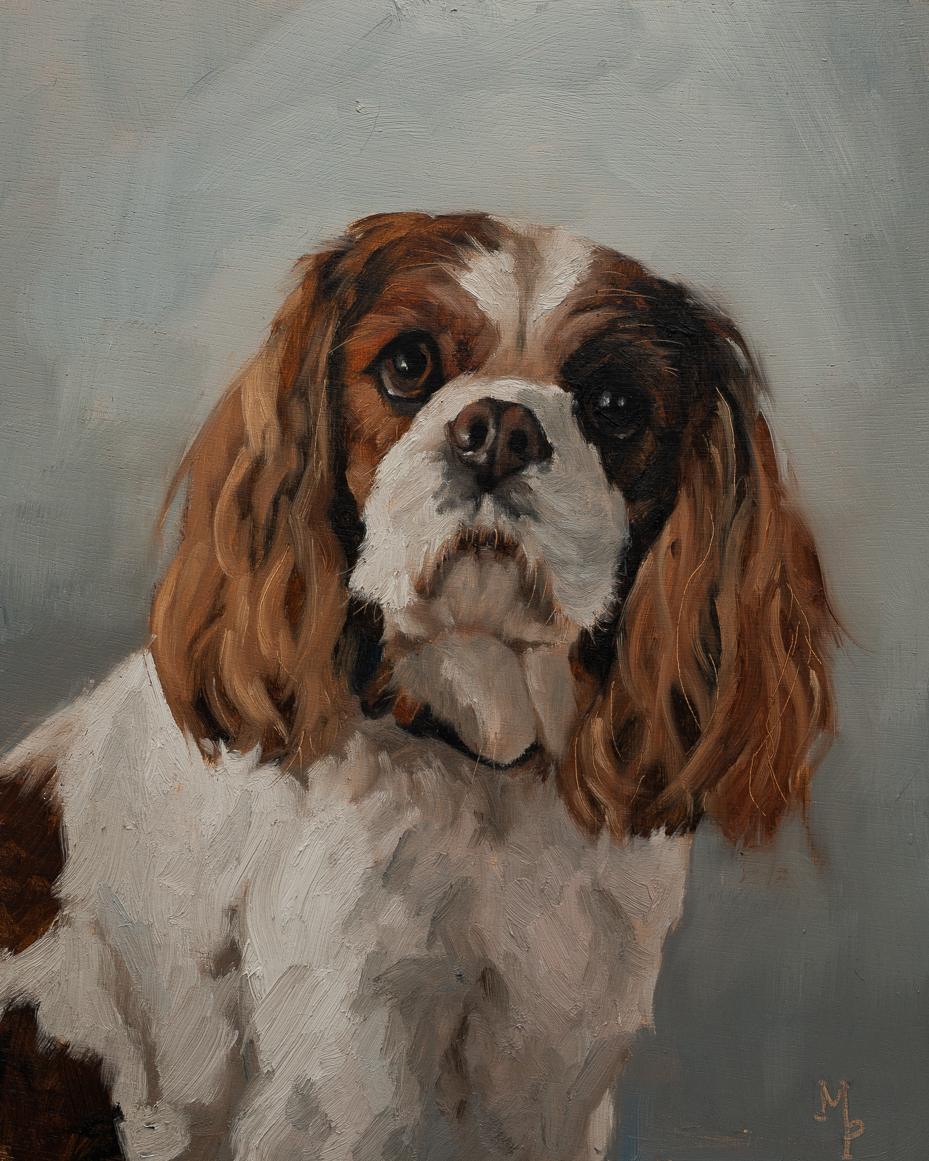
photo tips for pet portraits | capture their signature expressions
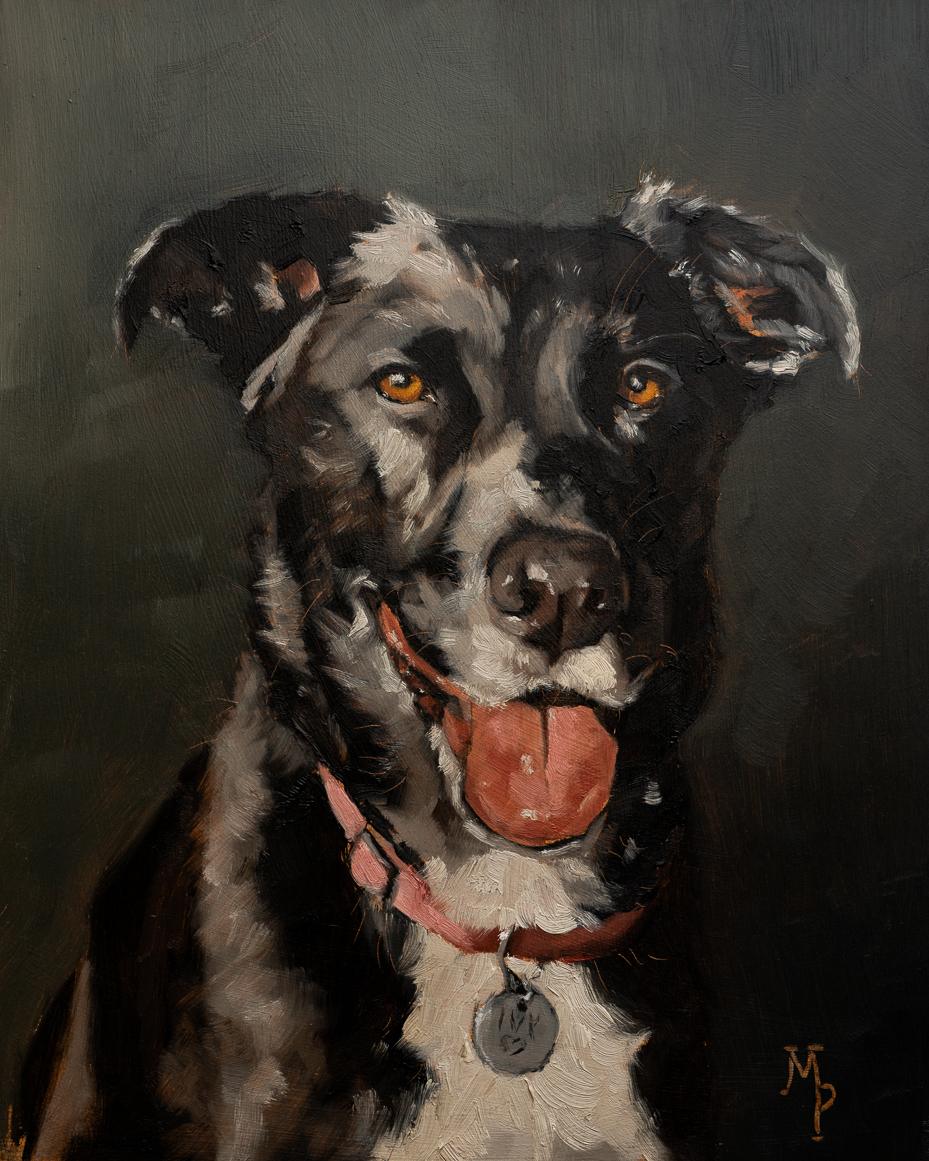
Take pictures of your pets when they are relaxed and being themselves. It’s hard with puppies or rambunctious animals, but given that most of us have a camera with us on our phones most of the time, it’s easier than ever to capture them when they aren’t hyper.
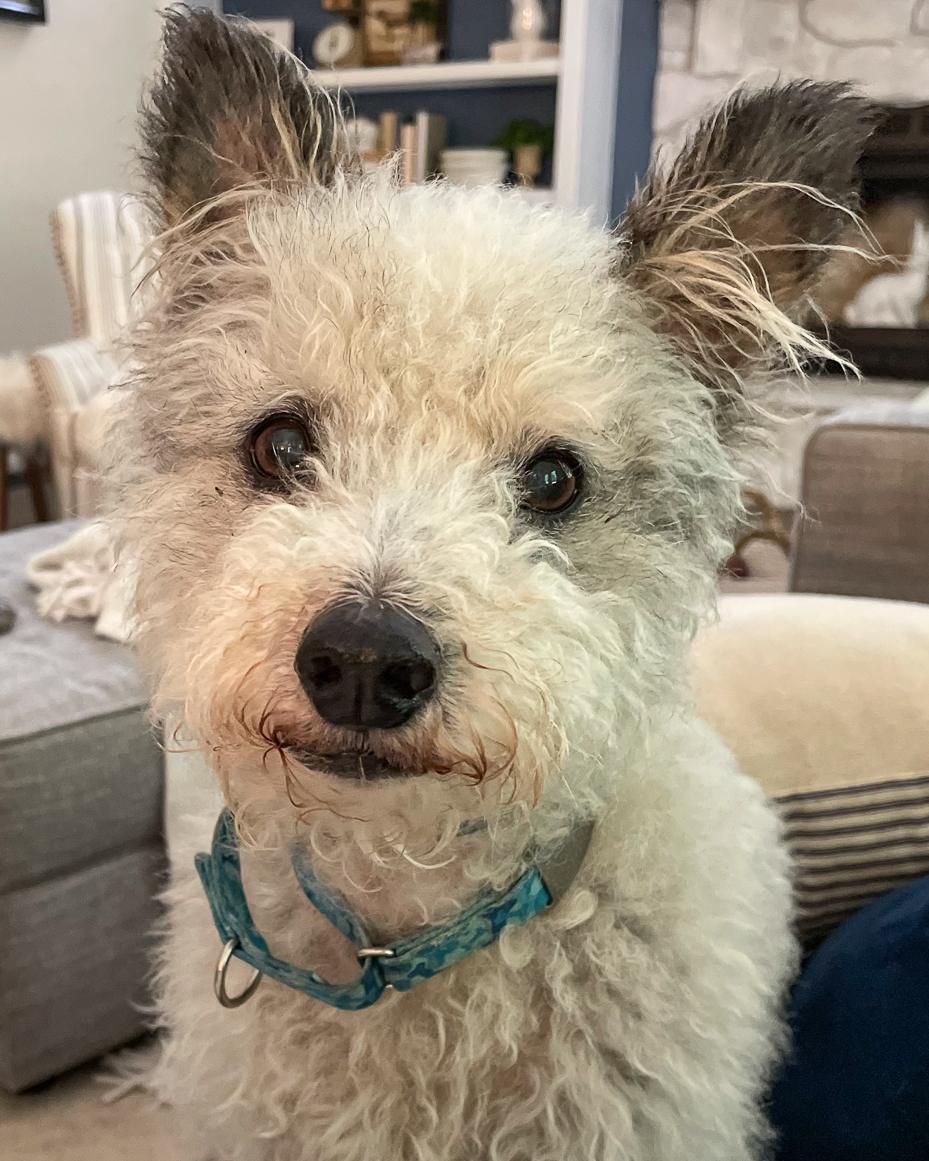
I love the sweet expression that was caught in this photo. It gave me a lot to work with to capture his personality.
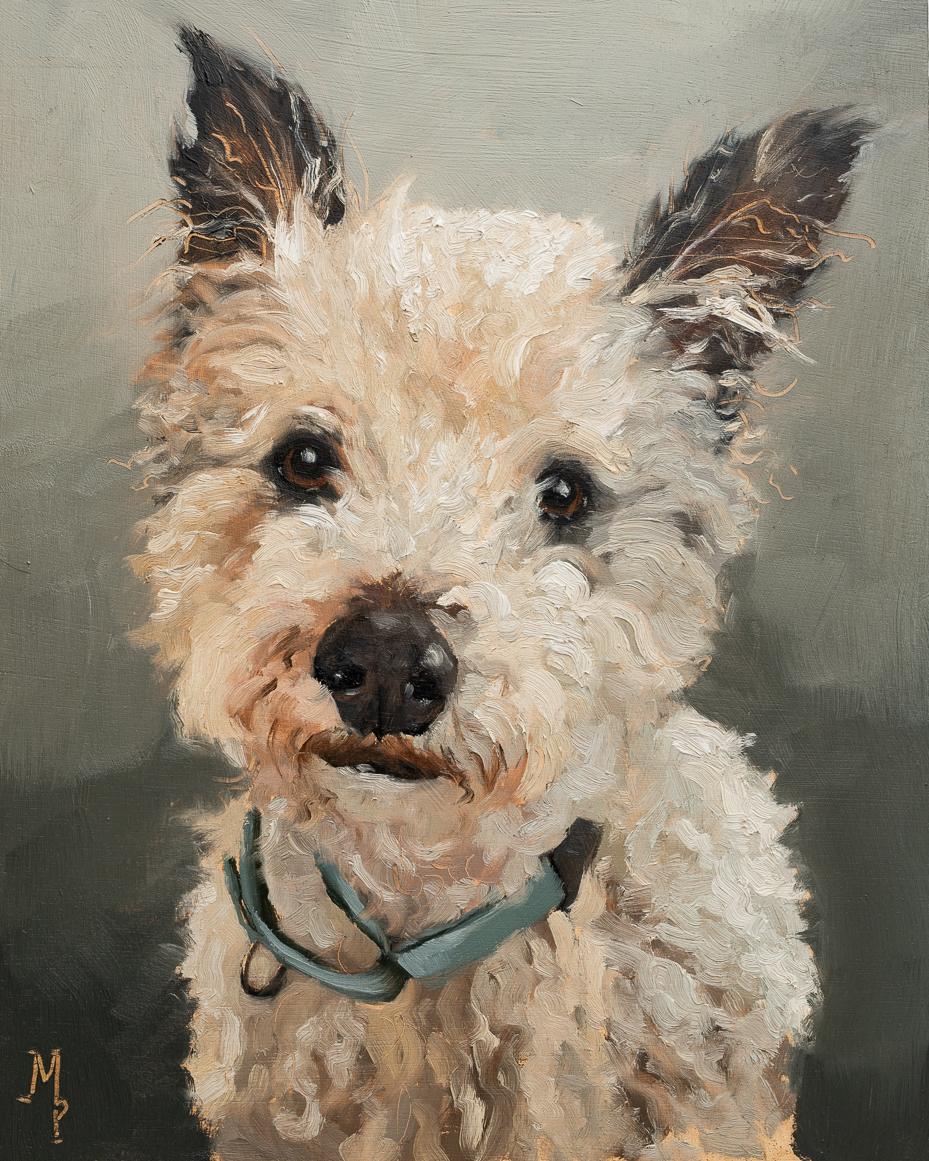
photo tips for pet portraits | what not to worry about
In most cases, a pet portrait artist can invent a background or setting, remove collars, harnesses, etc., and omit drool strings, eye goop, and such. They can also work from a few different photos if one, for example, captures color better and the other expression. While it’s great to work from high-resolution, clear photos, I often work from old blurry cellphone pictures, and, as long as I have enough detail, I can create a portrait from them. Interpretation really is the best things about a painting.
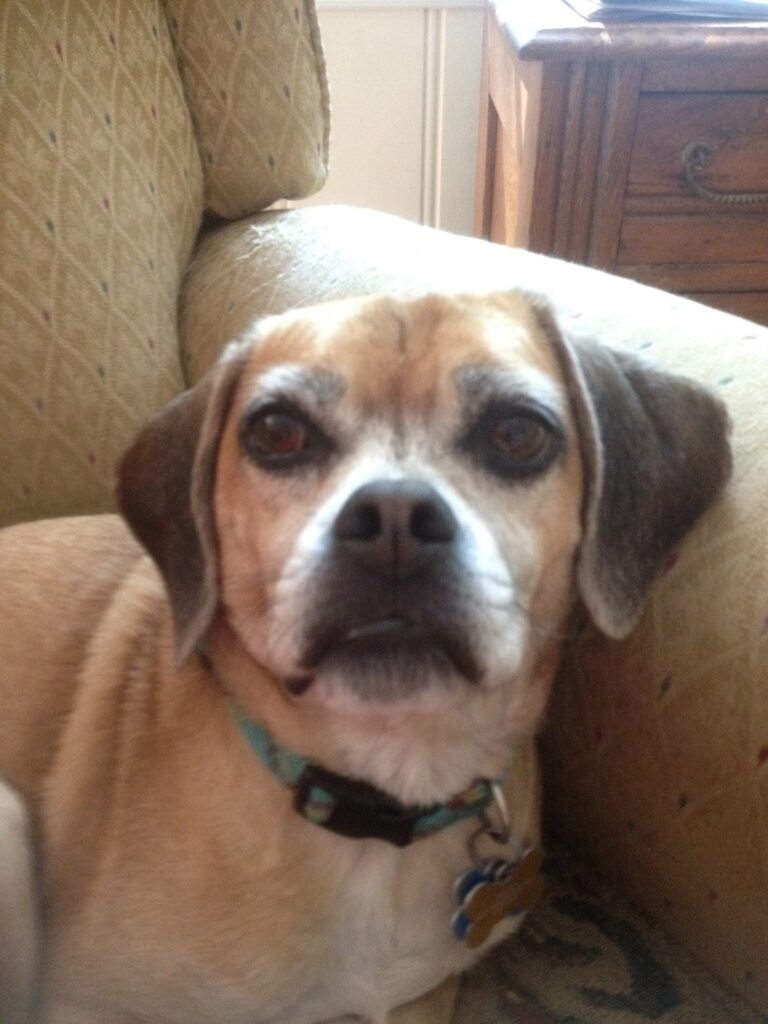
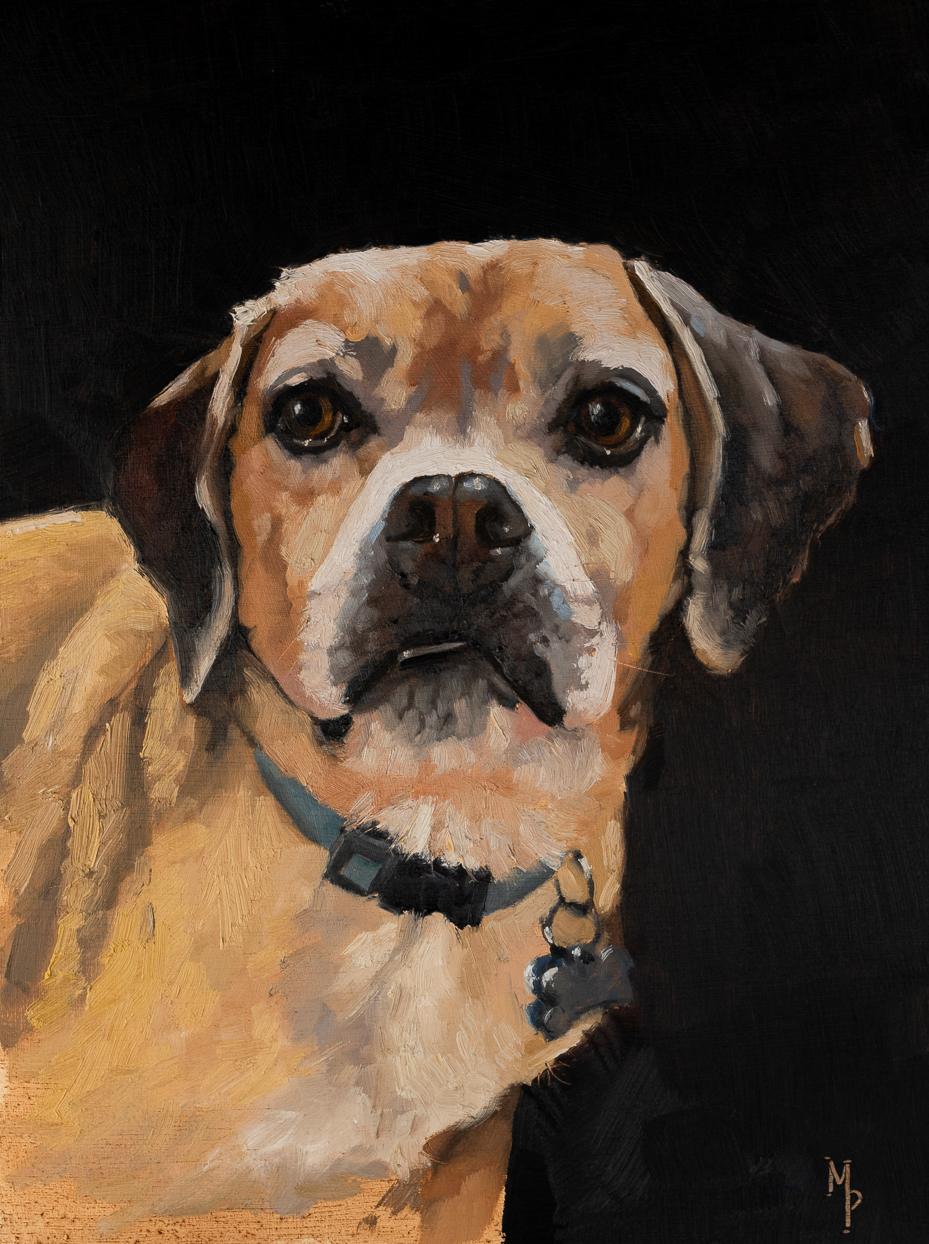
Here are additional tips I have on my page for commissioned paintings for getting the best photos for pet portraits…
- Take the photo in natural light
- Contrast between the light & shadows is great for paintings
- Get at eye level with your pet
- If you’re using an iPhone camera, the lens will distort your pet’s face if you’re too close. Take a step back and zoom in to minimize distortion.
- Include the entire body in the shot. Make sure you’re not cutting off feet, ends of tails, etc. I can always crop if you want a portrait-style painting, but I can’t make up what’s out of the frame.
- Don’t edit or use a filter on the images.
- High-resolution photos are best if you have them.
- If your pet has passed away (first, sorry), then we will work with the best you have!
I hope this is helpful for anyone with pets! As I said in the beginning, amazing photos of your pets will always be valued, whether you have a portrait commissioned someday or not.







6 Responses
Thanks for this information. I have been thinking about commissioning you to do a pet photo as a gift. How much lead time do you require?
It depends, but right now I’m about two months out.
Hello Marian,
Your talent in pet portraits is truly AMAZING!!!!! These are ALL so wonderful!!!! My mind cannot wrap around how good you are in such a short time of doing this.
I was wondering how long does it take you to do one? AND I hope you enjoy doing them.
I am simply stunned at your talent. Were you always drawing as a child?
Maybe, the doberman is my favorite ……ahhh they are all great!!!
My goodness girl, you are so talented. Beautiful paintings of people’s precious fur babies ❣️
These are absolutely amazing. I marvel at your talent!
I agree, so talented! It’s hard to tell the difference between the photos and the portrait. The detail is amazing!