
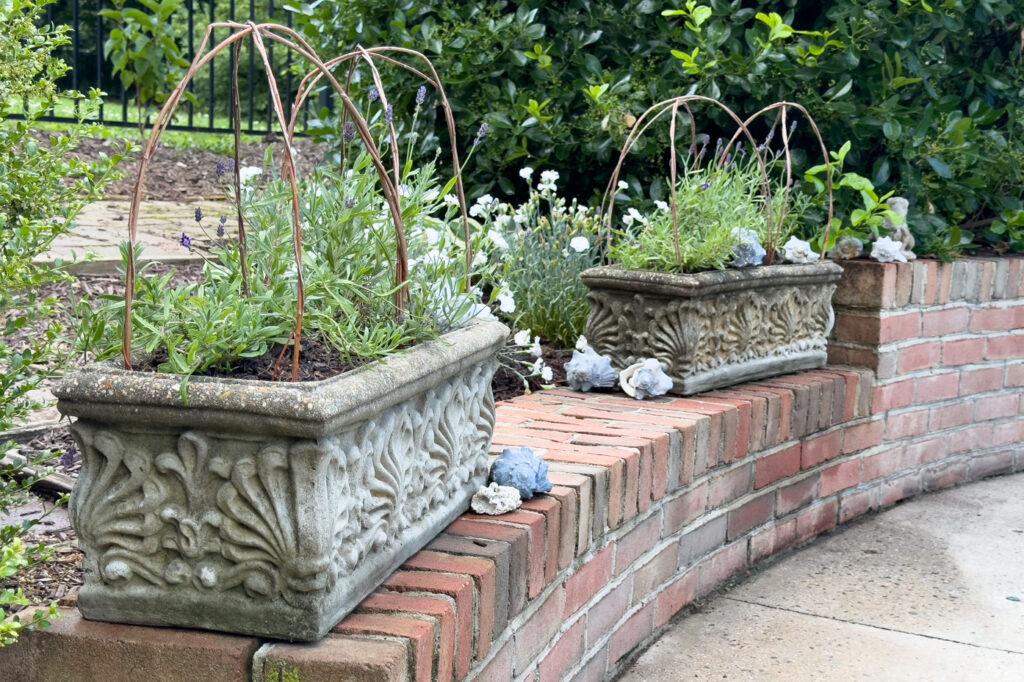
If you were following along last summer, you might remember my obsession with weaving willow cloches and plant supports. (You can find that post HERE.) I went on a deep dive, sourcing willow branches locally and online, watching tutorials and reading articles, searching for inspiration, and then testing out what I learned. It involved setting up a baby pool in my driveway to soak the willow and experimenting with several weaving styles and methods. It was a thorough effort, and almost every plant got some woven addition. Well, I am here to report that the winter months and the weather were not kind to my creations and beginning efforts at weaving. Almost all of the cloches were in various states of disarray when I started cleaning up the patio pots and garden beds this spring. I tried to salvage a few, but they all ended up in yard waste bags to live another life as mulch.
While I do regret the baby pool purchase (that ended up being ridiculous), I don’t regret my detour from more useful garden occupations into willow weaving and making garden structures from scratch. I don’t regret trying something I was interested in and curious about. I don’t even regret that they didn’t last more than one season.
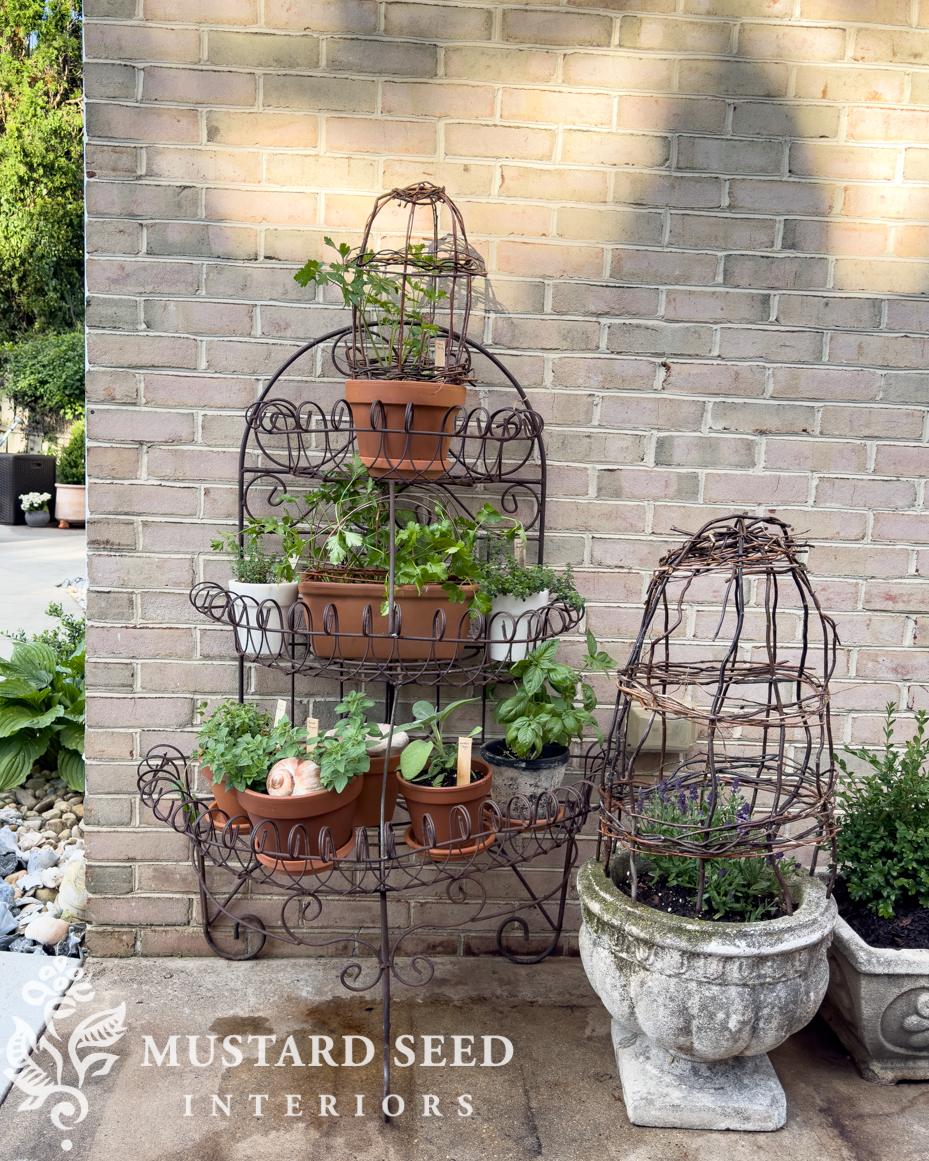
If you’re someone who is hyper-focused on the outcome, this kind of creative play might be hard for you. My weaving experience may appear as folly or foolishness, like a waste of time and energy. I view it all as a planted seed, just the beginning. I don’t think I will have a career in weaving, but I see this as the start of bringing more of my creative efforts into the garden. Perhaps I’ll build on what I learned last year to improve my skills, knowledge, and efficiency. Maybe I’ll never weave a cloche again, but I know better when they are useful in a garden context and not just a decorative one.
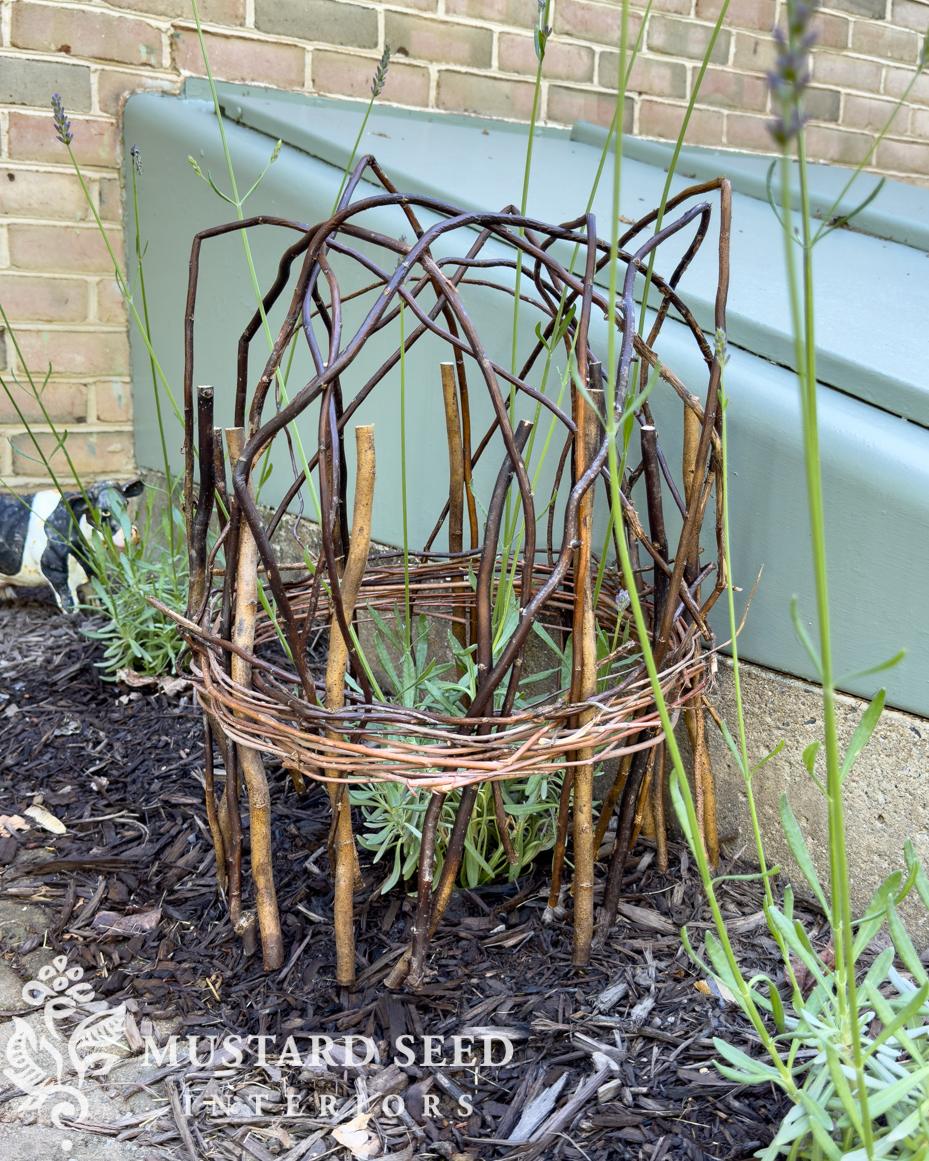
All creative play can be the first rung of a ladder that leads to unexpected places. It’s never a waste, even when it feels like it. Failures can be like lawn refuse, rotted leaves that seem like they are worthless until they break down, compost, become rich, and have great potential to give life to something new.
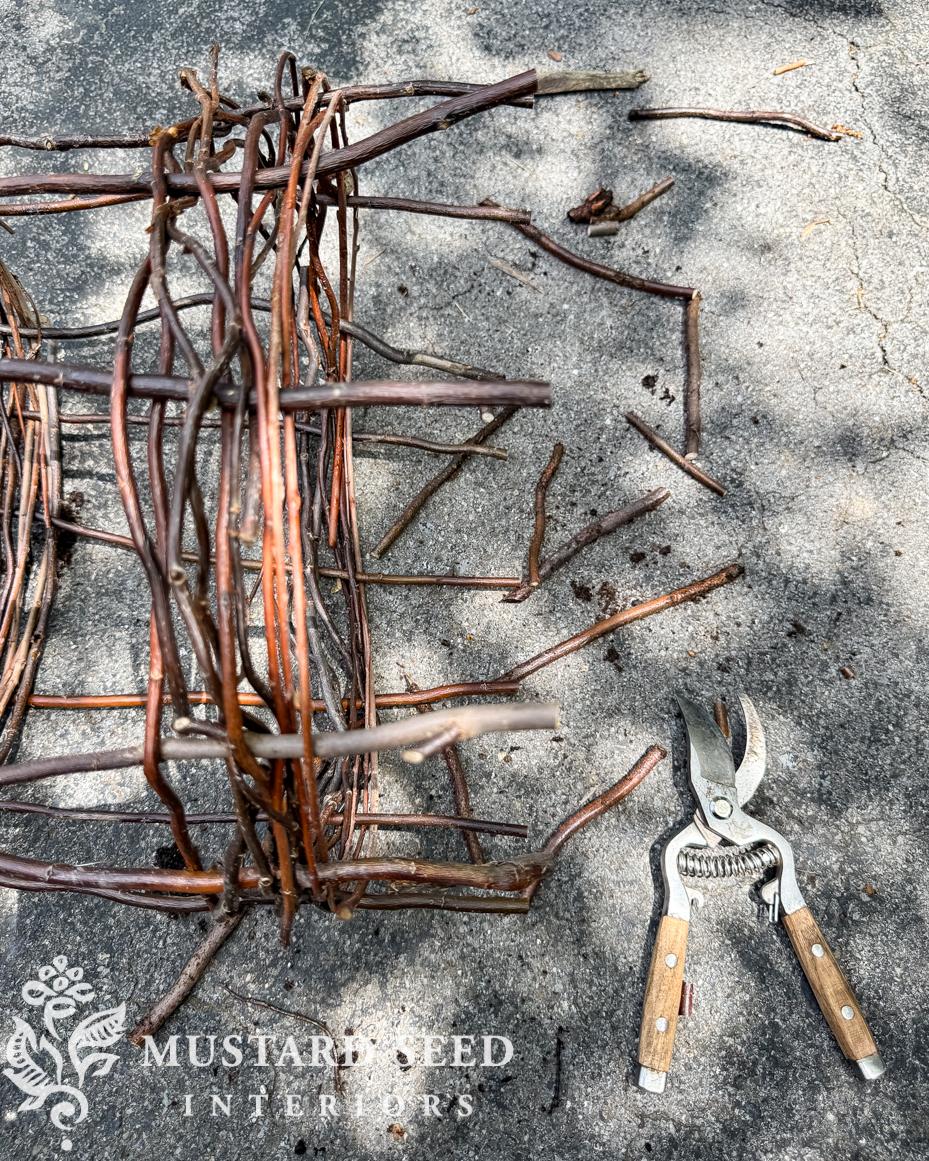
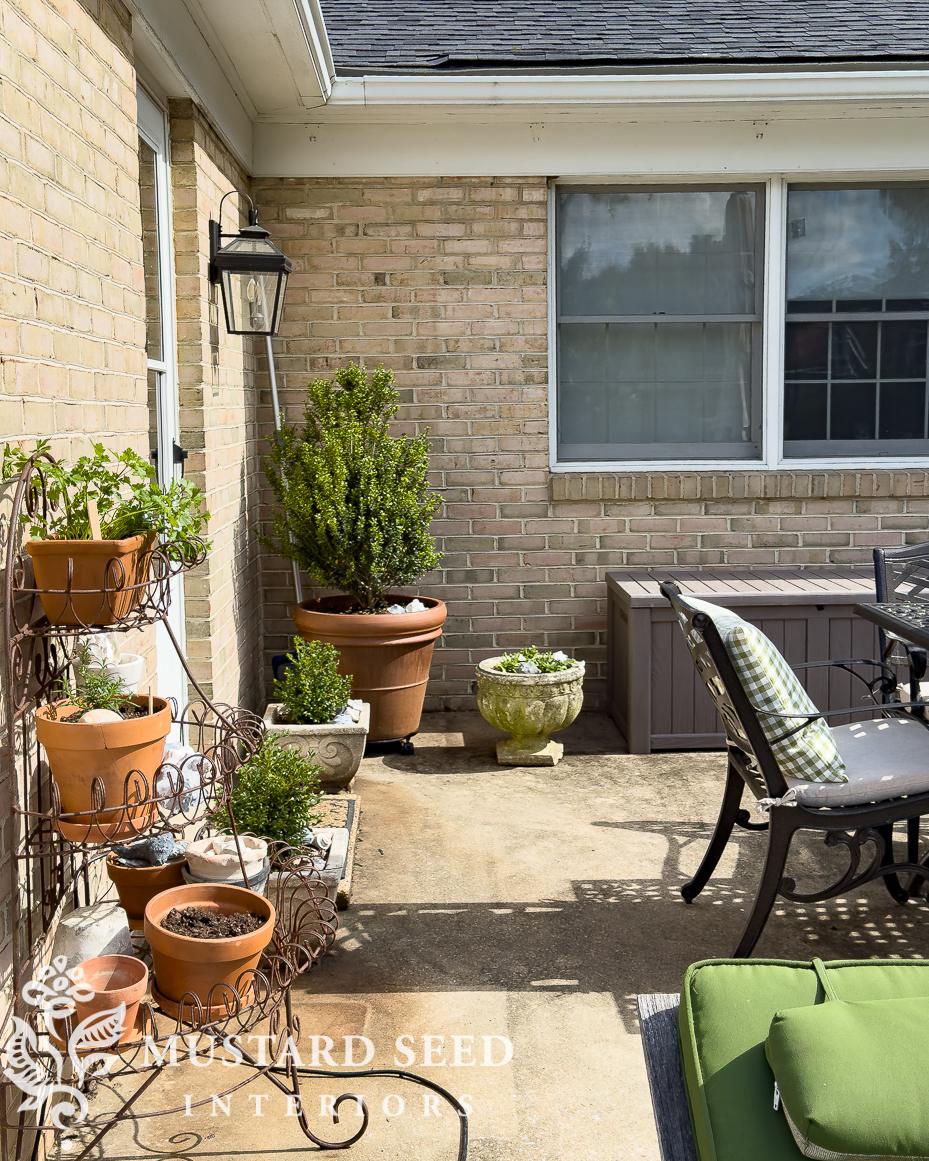
So, there are no more willow choches in my garden and, I must say, my plants are happier for it. I can water, trim, and tend them much easier without working through a cage.
And my curiosities have already moved on to new projects and creative endeavors, looking for new places to land…








9 Responses
Willow in itself isn’t a long-lasting item. The expensive ones you see are made of willow that is treated. And it still will last only 3 years in a wet climate. Heck, untreated wooden structures only last 3 to 5 years. I’ve got metal trellis and structures, and after last summer, the wettest in history, they didn’t look good. Only my powder-coated chairs stand. Though there’s corrosion visible. I think it is healthy to move on from hobbies; we grow. In the hobby itself, by becoming an expert, or by moving on to the next level.
My many, many failures over the years led me to self discovery, and to successes as well. Like you, I don’t believe that anything I try is truly a waste of time, because I learned something, if nothing more than I should never try a particular thing again! Some things just don’t fall into the try, try again category, along with that other pesky category that practice makes perfect… sometimes practice is just self brutality!!! 🙂 On another note, do you top your pot soil with mulch? I find it does the same for pots as it does in planting beds, beautifies, reduces weeds and conserves moisture
Well….ya know what they say……”It is better to have loved and loss……then never to have loved.”
OR……what they used to say in the seventies …..”Try it, you’ll like it!”
Always good to stretch and spread your wings!!! So what it failed….You spread your wings.
As my daughter always says : practice makes progress. And learning anything is worth the time and expense, even if one deems it “unsuccessful.” And yes, in this instance I’d say you will always respect any kind of weaving as incredibly talented since you have tried willow weaving. Good for you. Most of us just always want to try and never do. And as far as the baby pool – there is a child somewhere who needs it in this heat. You won’t ever have a problem selling or donating it. My daughter used to use her hard plastic one for her dog to soak in. Derby absolutely loved it.
Michele, I was just going to say the same thing! Dogs of all sizes love playing and cooling off in plastic wading pools. Marian, if you cannot find another use for it, maybe post under “Free” on Nextdoor?
*And, great job creating your beautiful willow trellises.
The simple fact that you are an artist seems to imply that you will try new and different means of creating. I enjoyed the look of your willow weaving for the season you made them, So, if nothing else, you provided visual joy for a while. Nothing lasts forever, especially in a garden.
Thank you for sharing with us your outlook on taking on a new endeavor for the sake of testing your willingness to be frustrated, yet stay focused. I heard at a seminar (years ago), that anything that is hard for you to learn is a great way to strengthen your brain. My list of ‘want to try’ projects is long; and I am happily settling in on working through them!
This is why I love reading your posts. I thought your cloches looked great and I’m sorry they didn’t stand up to the winter months, but I admire your attempt. I’ve always traveled the path of curiosity when it comes to a home project. A few have been successful and more than a few have failed, but it is always something I’m glad I tried, whatever the project might be. I had hoped for your success with the cloches since I’m a garden enthusiast and have always admired the English gardens that feature plants with willow support. I was sure your attempt would be successful, and I’d have some great guidance on how to make one. 😊💙
Karen B.
It’s called “creativity “. All good