
When I went to the Louvre in the fall of 2018, it was my first time visiting a museum as an adult who truly appreciated art. Of course, Mom and I sought out the Mona Lisa. It’s just something you need to do if you’re a tourist at the Louvre. At the time, you didn’t have to wait in a line to access it. We simply followed the signs and knew we made it to the right room when we saw a crowd of people arranged in a semicircle, holding their phones up to snap a picture of the famous painting. I remember feeling a prick of annoyance at all of the black rectangles obscuring the view of people who wanted to look at the painting with their own eyes. But, even as I felt that, I pulled out my own phone, opened the camera app, and tried to find an angle where I could capture a picture. It was a grainy photo from a terrible angle that would only act as evidence in my camera roll that I was there. I felt a bit silly about it later. I was simply caught up in being touristy.
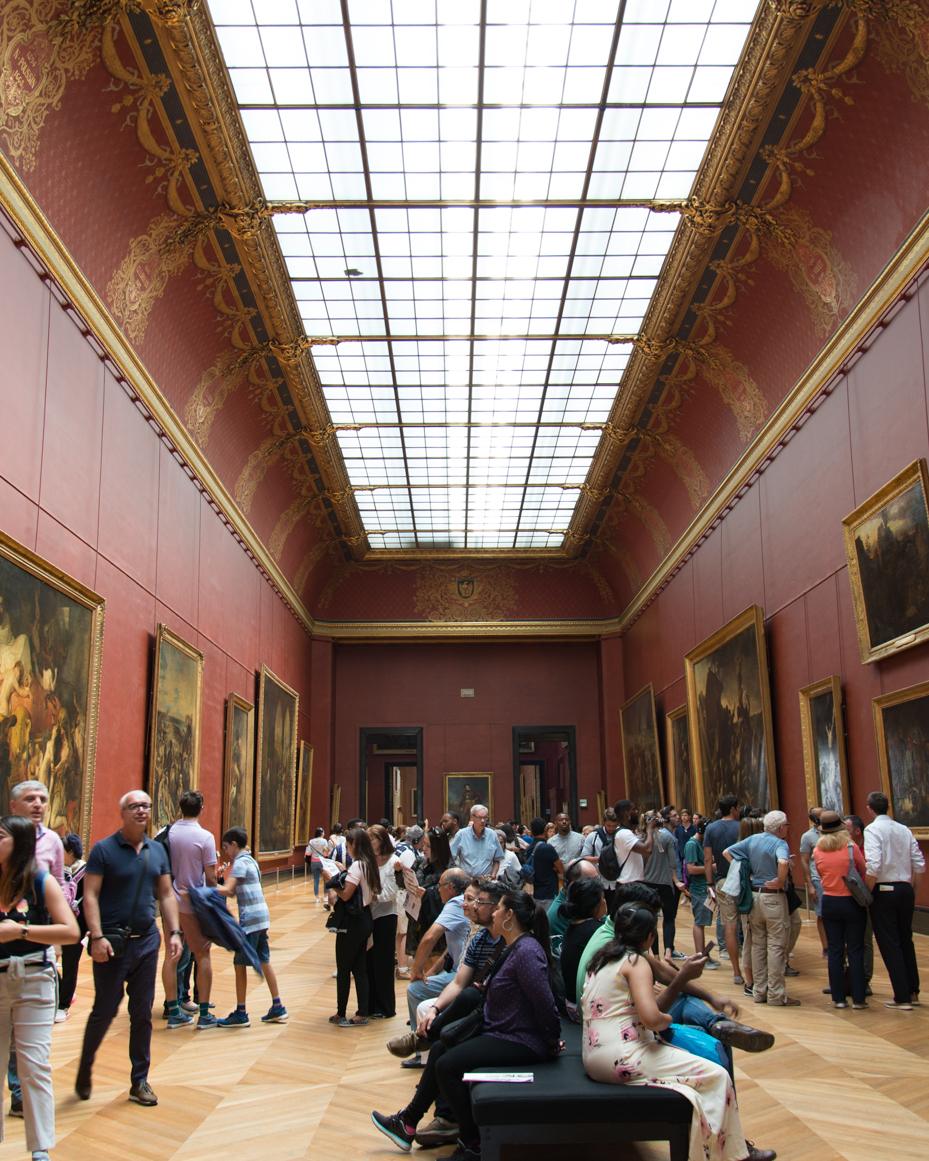
It made me question taking pictures in an art museum. I could certainly see better photos of the works in books, and I didn’t want to be one of those people who experience events through the lens of a smartphone camera. If you sit and watch in a busy art museum sometime, you’ll notice people who walk through a room, snap photos, and seem to not even look at the art.
But I still found myself pulling my camera out as I walked through art museums.
When we visited the Uffizi and Pitti Palace in Florence last fall, I decided to stop feeling sheepish about it and embrace why I felt compelled to take pictures. These photos weren’t about checking something off the guidebook to-do list. They were about making a record for myself.
I walk through a room, looking at the pieces and picking out my favorites. What am I drawn to and why? I’ll then make a second pass, taking pictures of the ones I want to remember, research, and possibly study.
If I really love a piece, I’ll revisit it once more. Sometimes it’s to view it from a distance to take it all in, and other times it’s to lean in as close as security measures will allow so I can appreciate the brushwork and details.
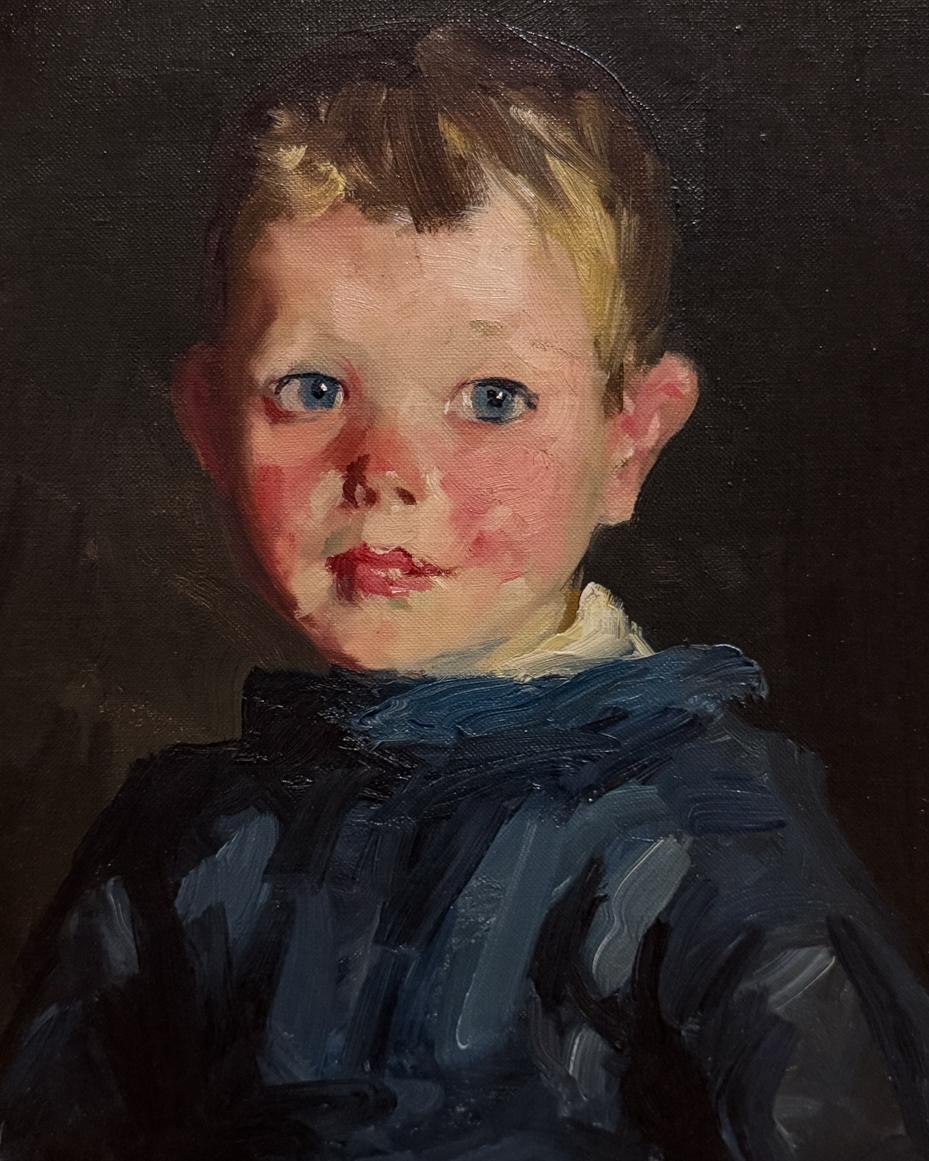
I often take pictures of portions of a painting, so I can revisit what drew my eye.
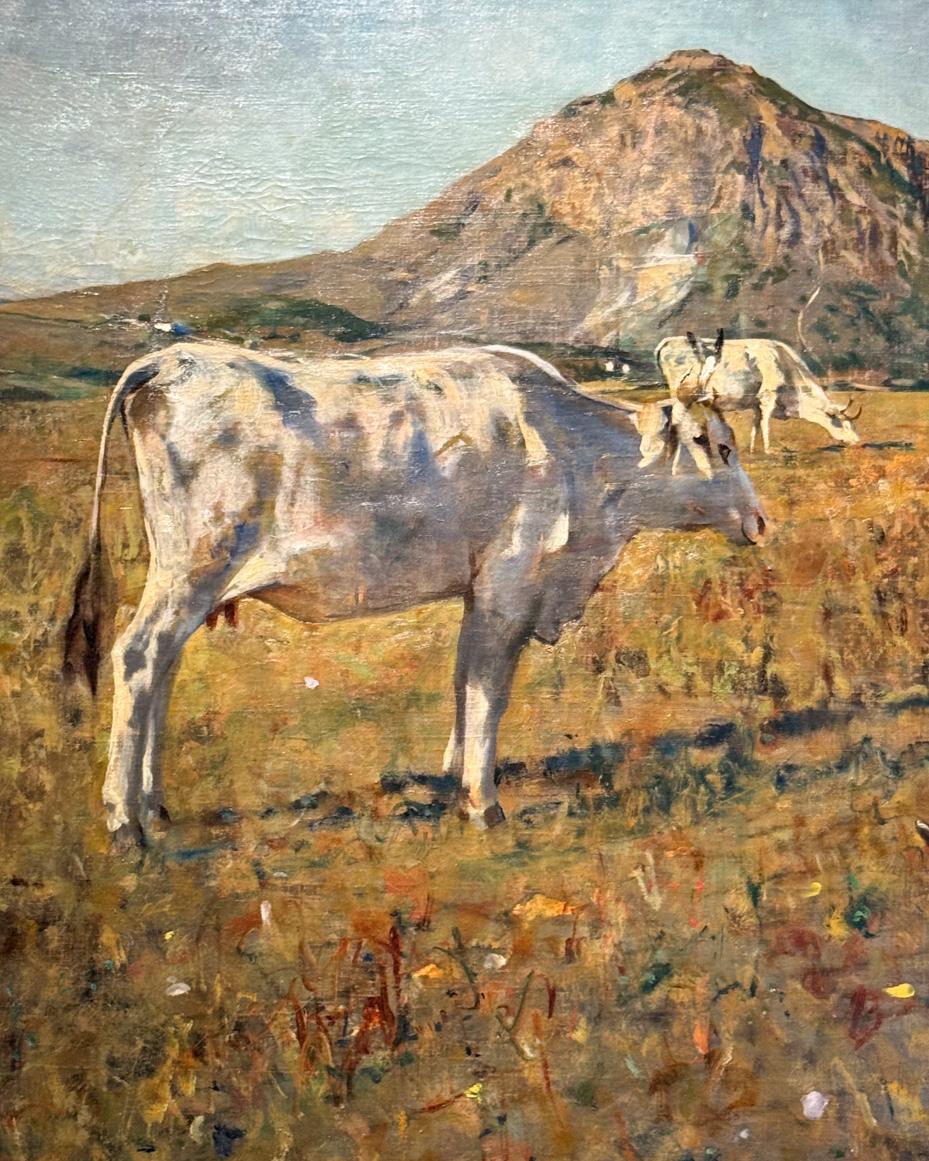
After the visit, whether it’s hours or years later, I look through the photos as a collection. They show me what I’m drawn to, the subjects and colors I like, and the aesthetic that speaks to me. They show not only how I see the world, but also indicate how I want to grow as an artist.
It’s like when I shopped at an antique store where I was known. I would start making a pile of ironstone, bone-handled flatware, and textiles. Several times, a vendor, someone behind the counter, or fellow shopper said something like, “I saw the pile and knew you were here.” I can walk through an antique store and curate my style into a pile. I can do the same in a museum through the paintings I photograph.
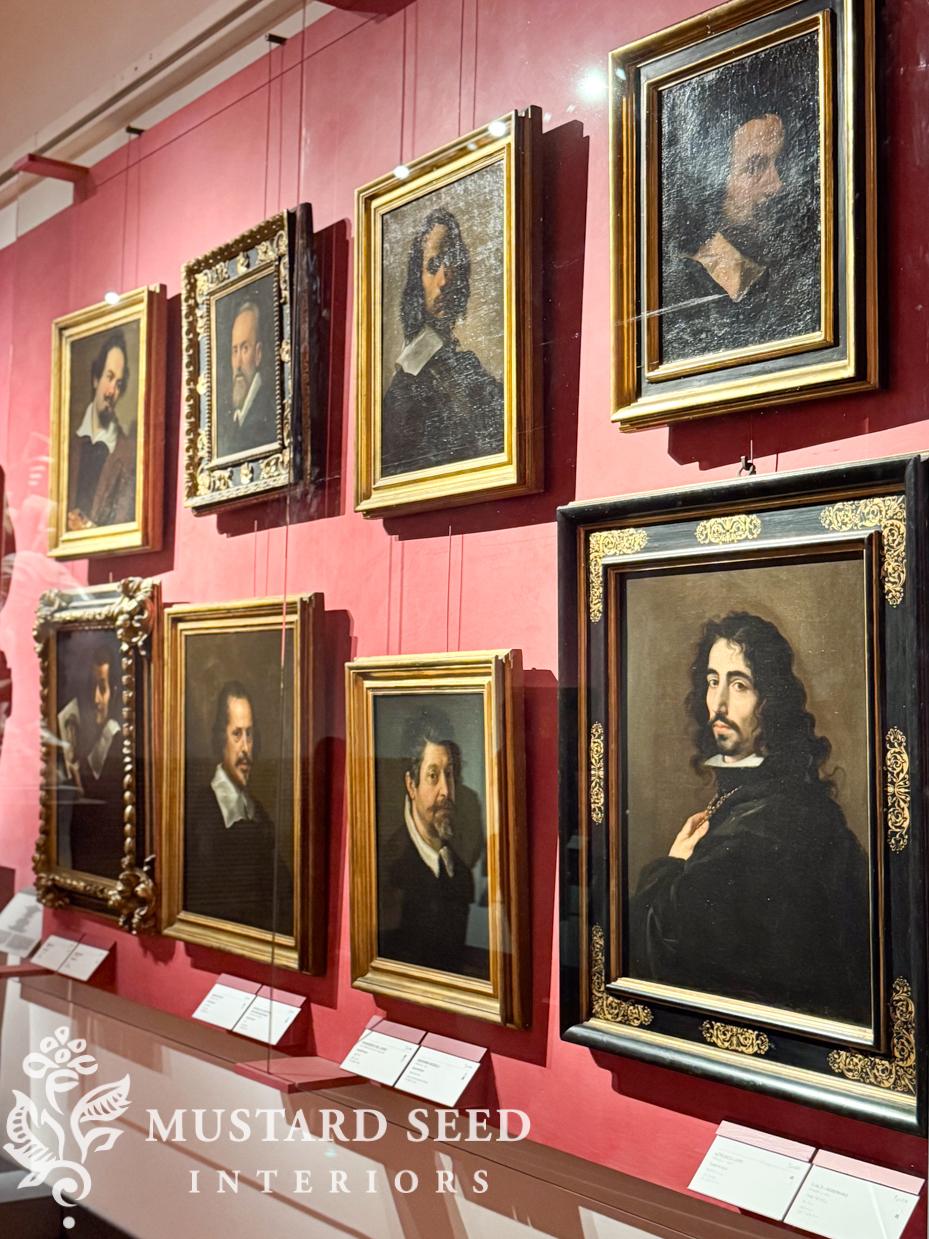
I’ve also learned that not every piece or exhibit is featured in a book. I have looked intently for a book featuring all the works in the Louvre’s self-portrait exhibit, but I haven’t been able to locate one. I’m glad I took pictures of my favorite works.
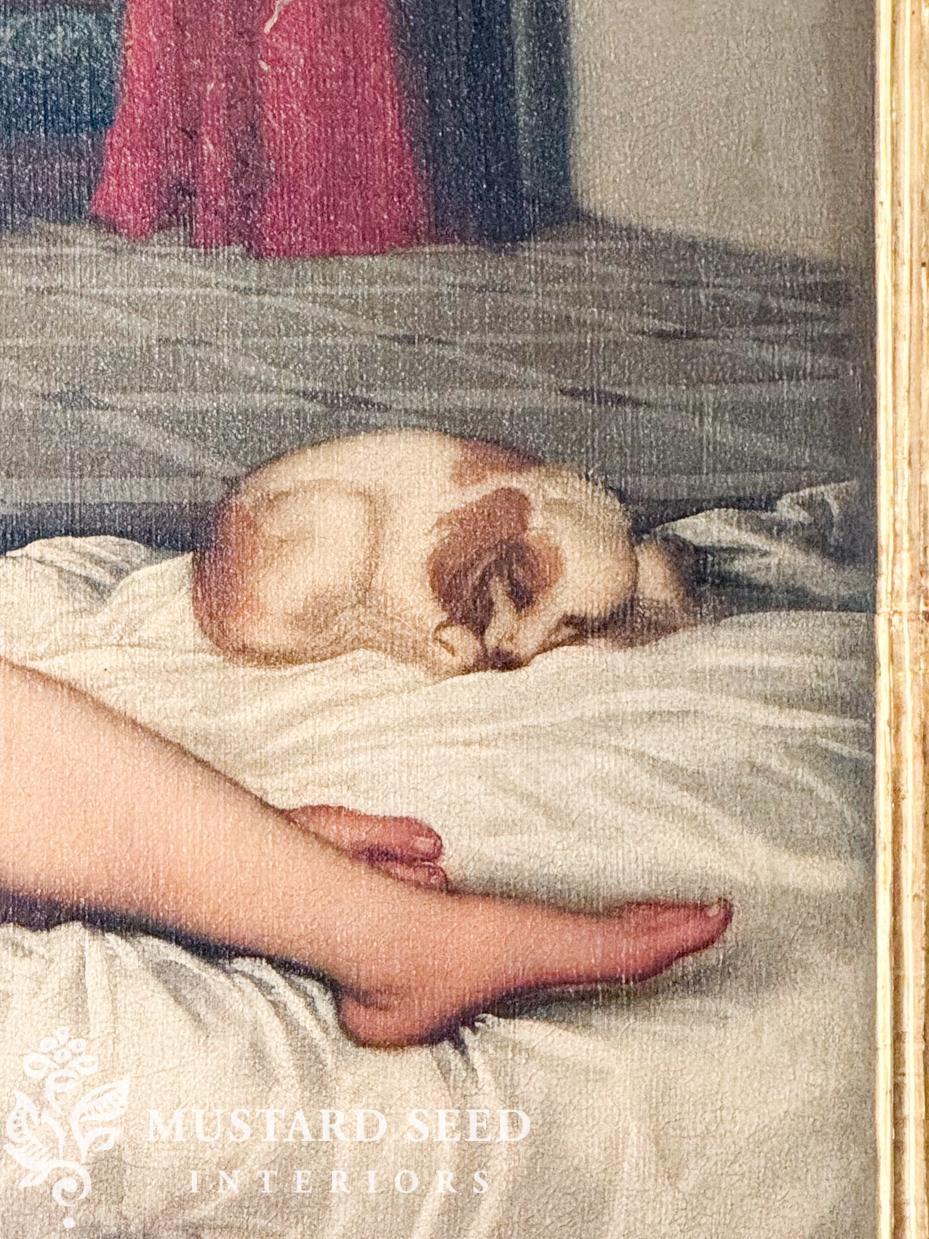
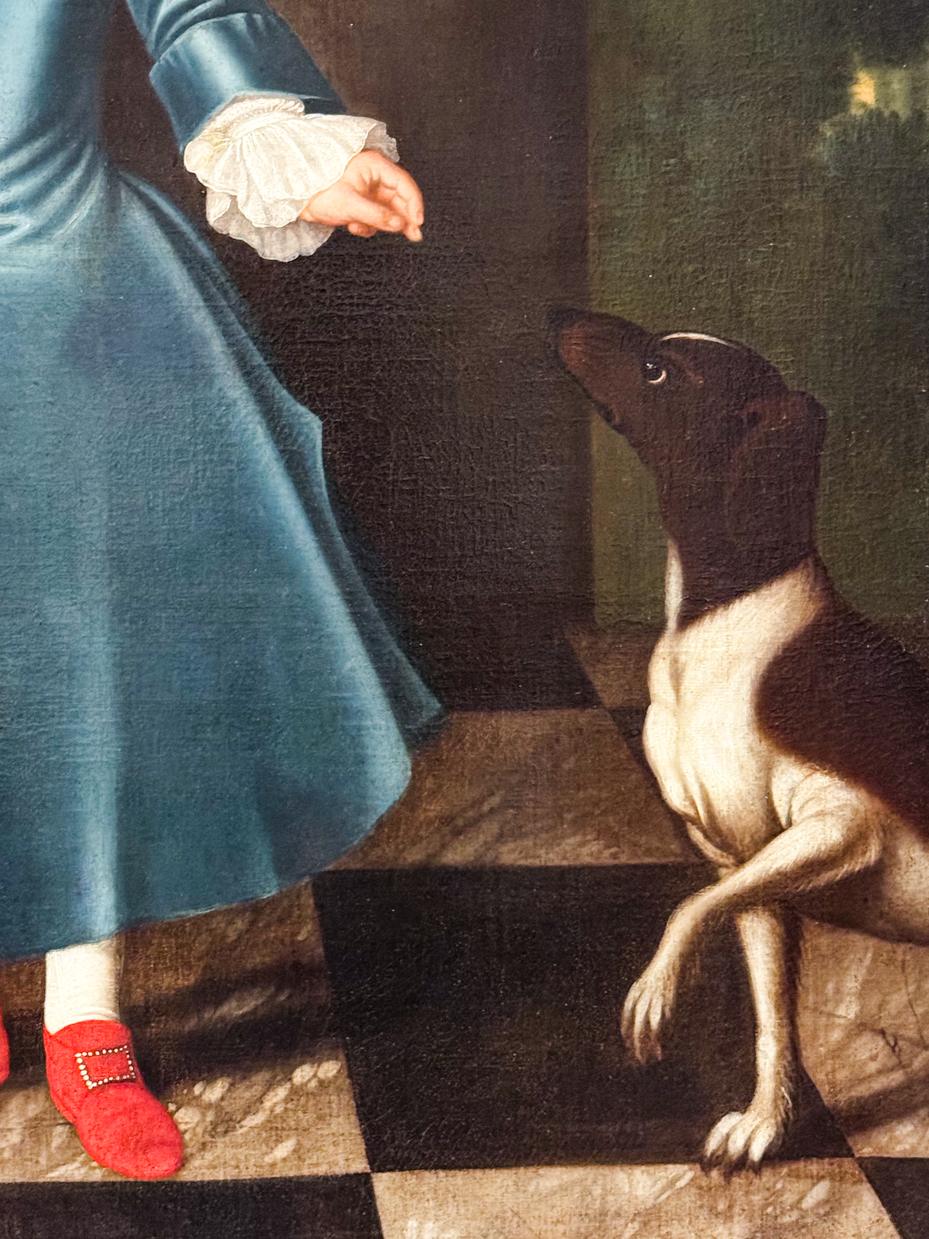
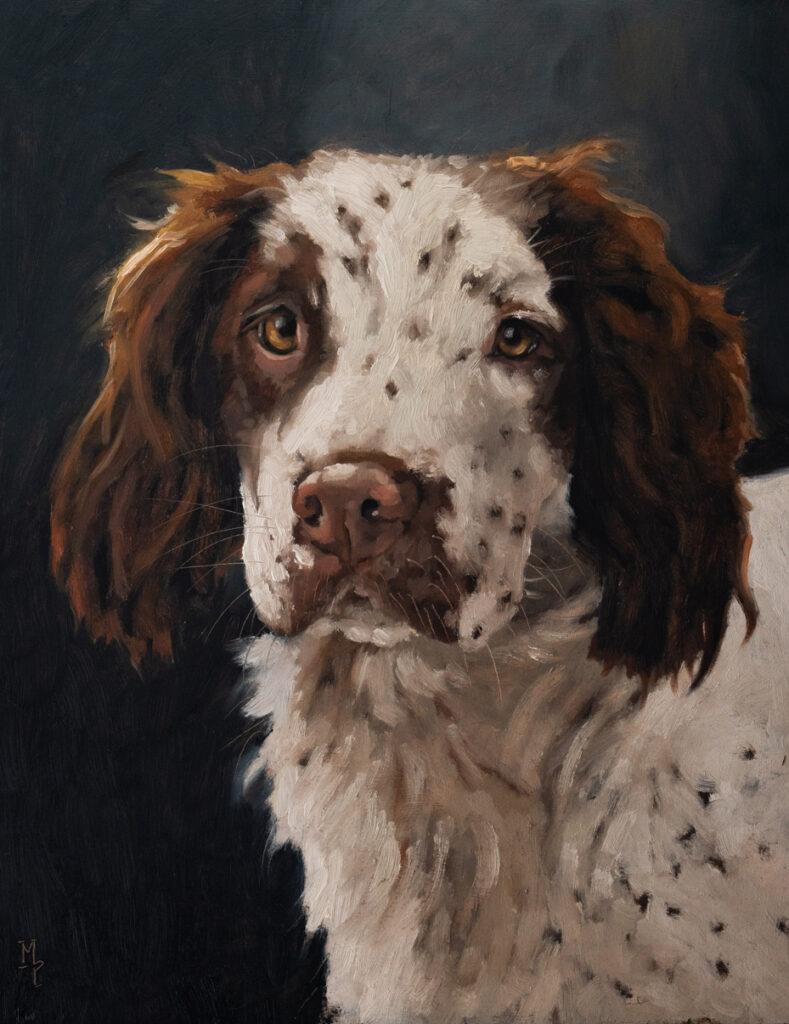
Through years of photographing pieces at museums, I have noticed a few things… I often zoom in and photograph animals in paintings, especially dogs. This makes sense since dogs are one of my favorite subjects.
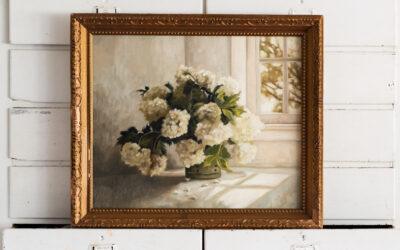
I am usually drawn to a painting because of the colors used. I love neutrals, blues, and greens.
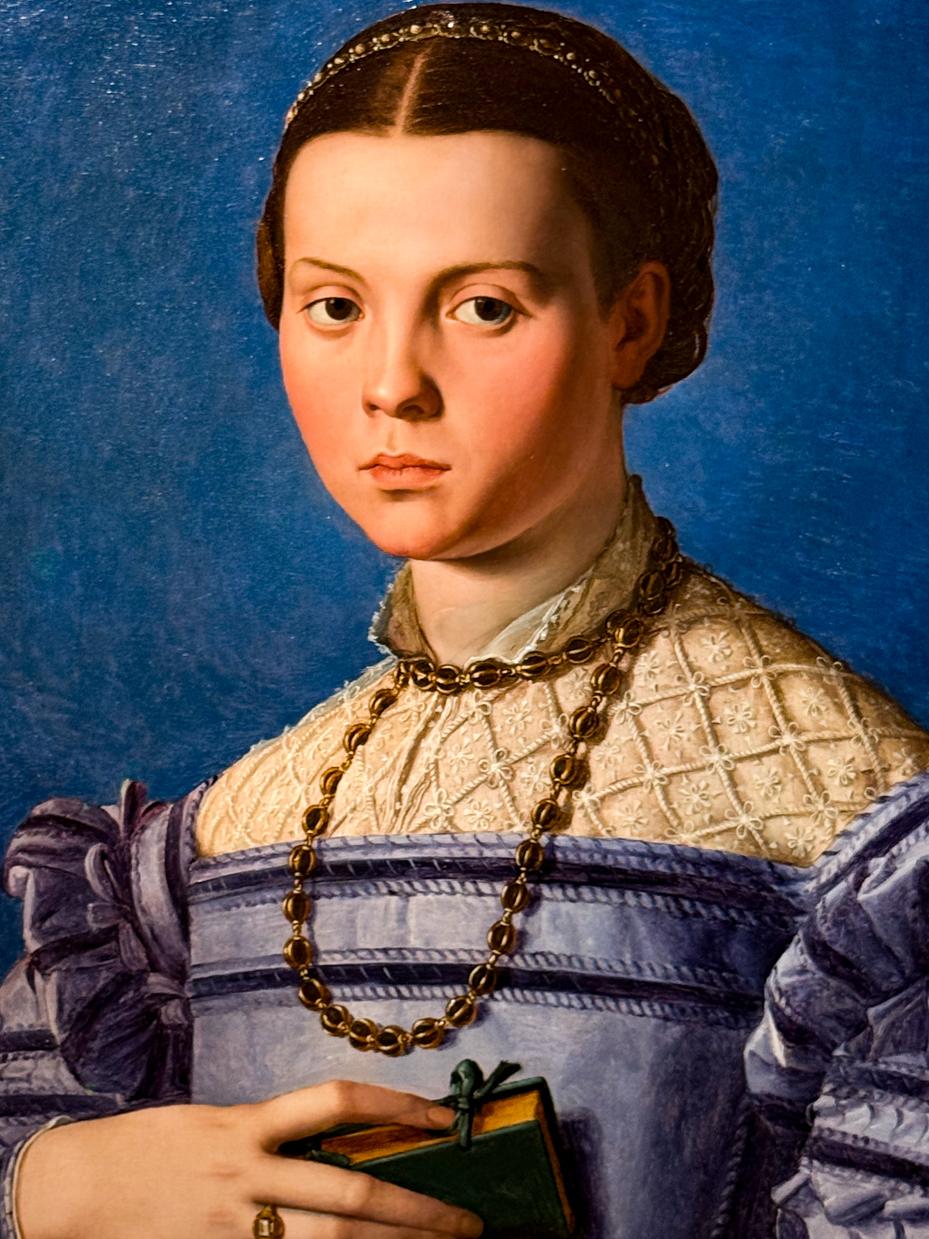
I photograph portraits more than anything else. They are definitely my favorite to study, admire, and collect. I’ve been thinking that I should paint more human portraits.
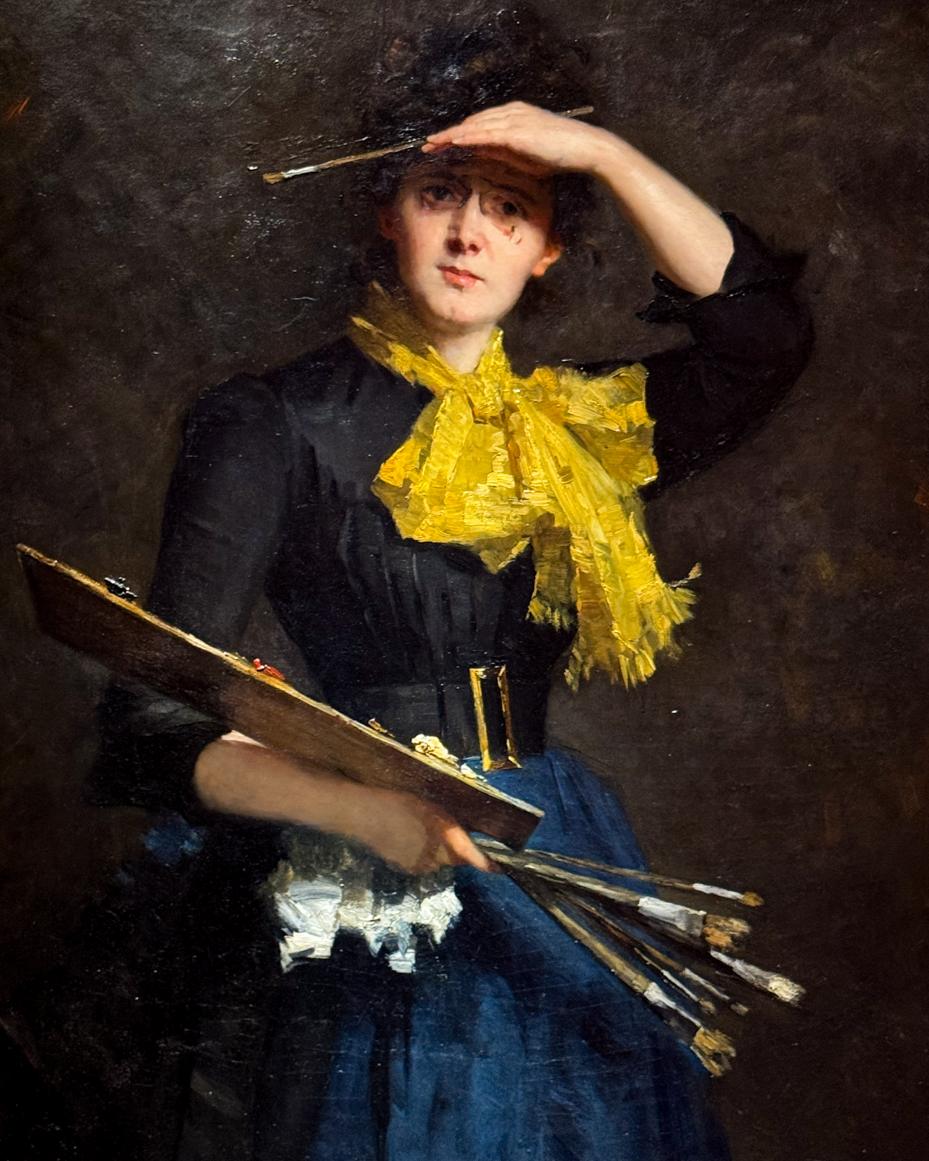
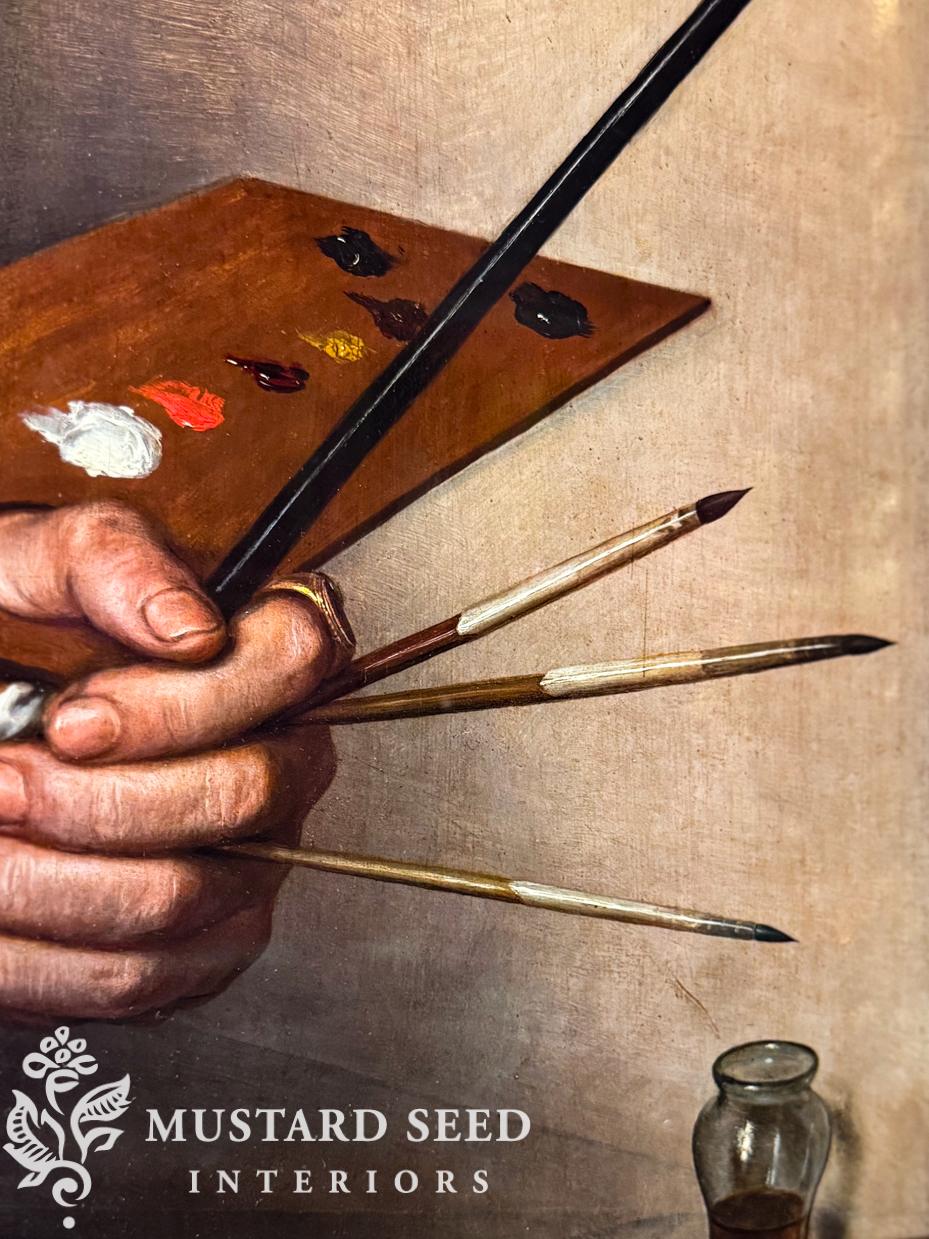
I am always drawn to art supplies portrayed in paintings. I photograph the palettes, brushes, and paint boxes, so I can see what tools and materials the artist used.
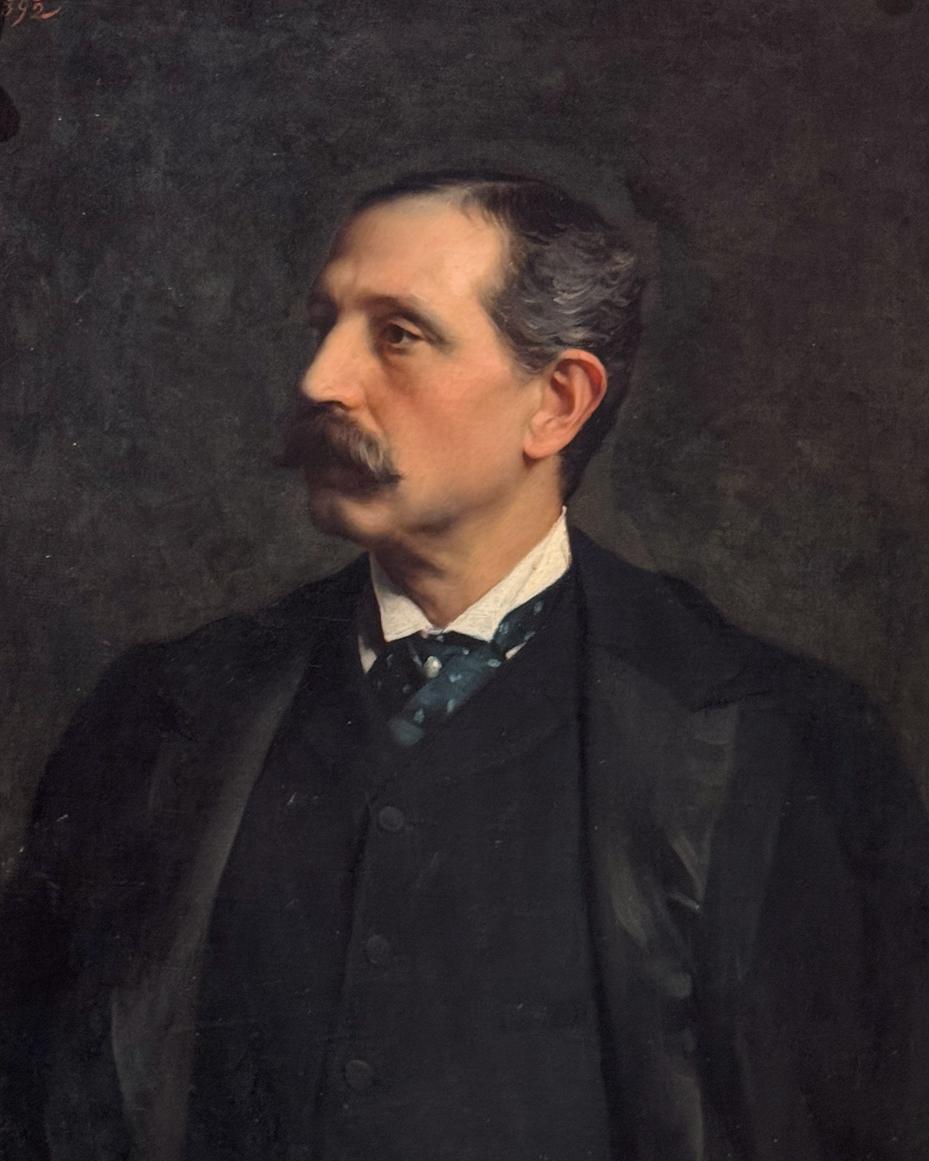
I also love clothing. I am drawn to dresses, shoes, cravats, tailored suits, pleating, stitching, buttons, ties, and ruffles.
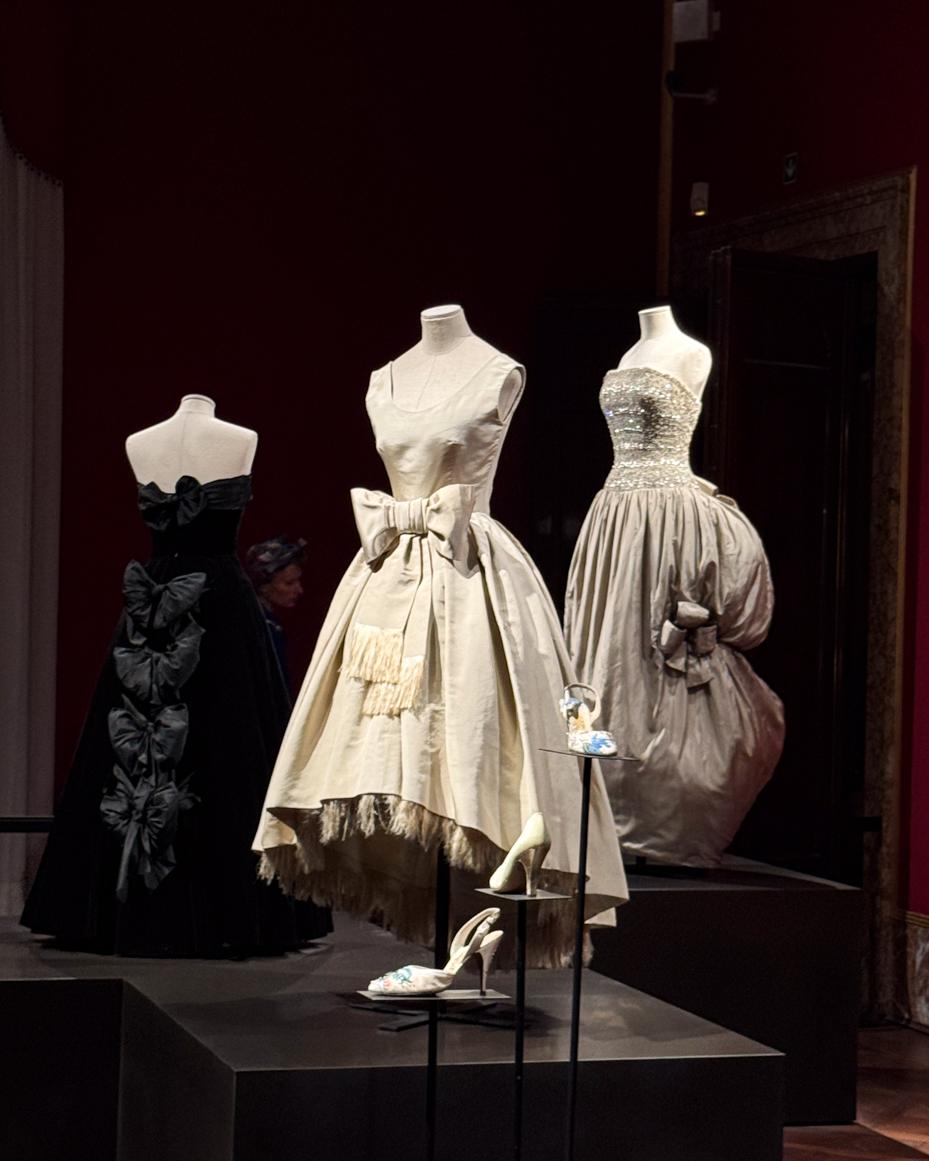
I photographed almost all of the dresses in the historical clothing exhibit at the Pitti Palace because I thought they would be so fun to draw and paint.
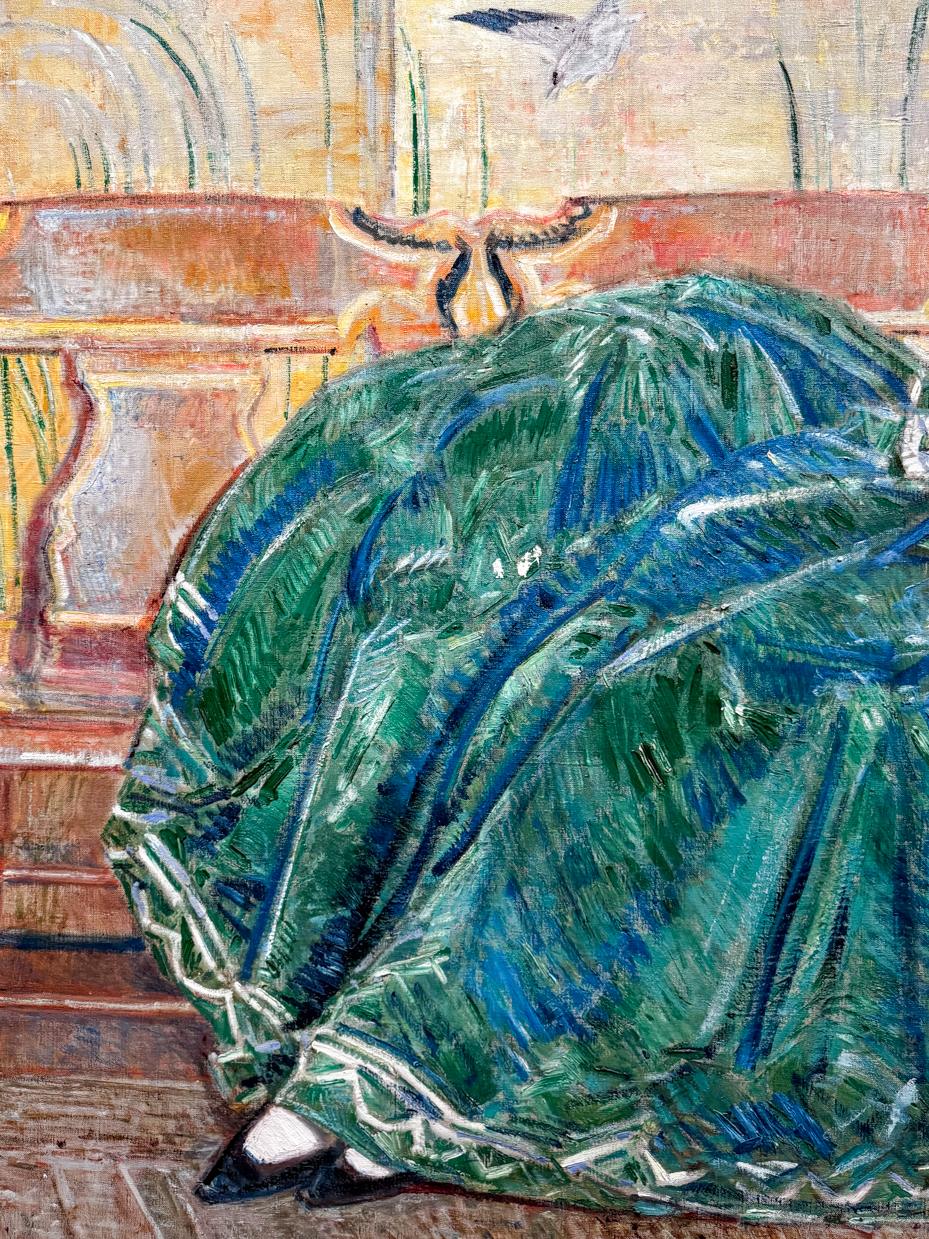
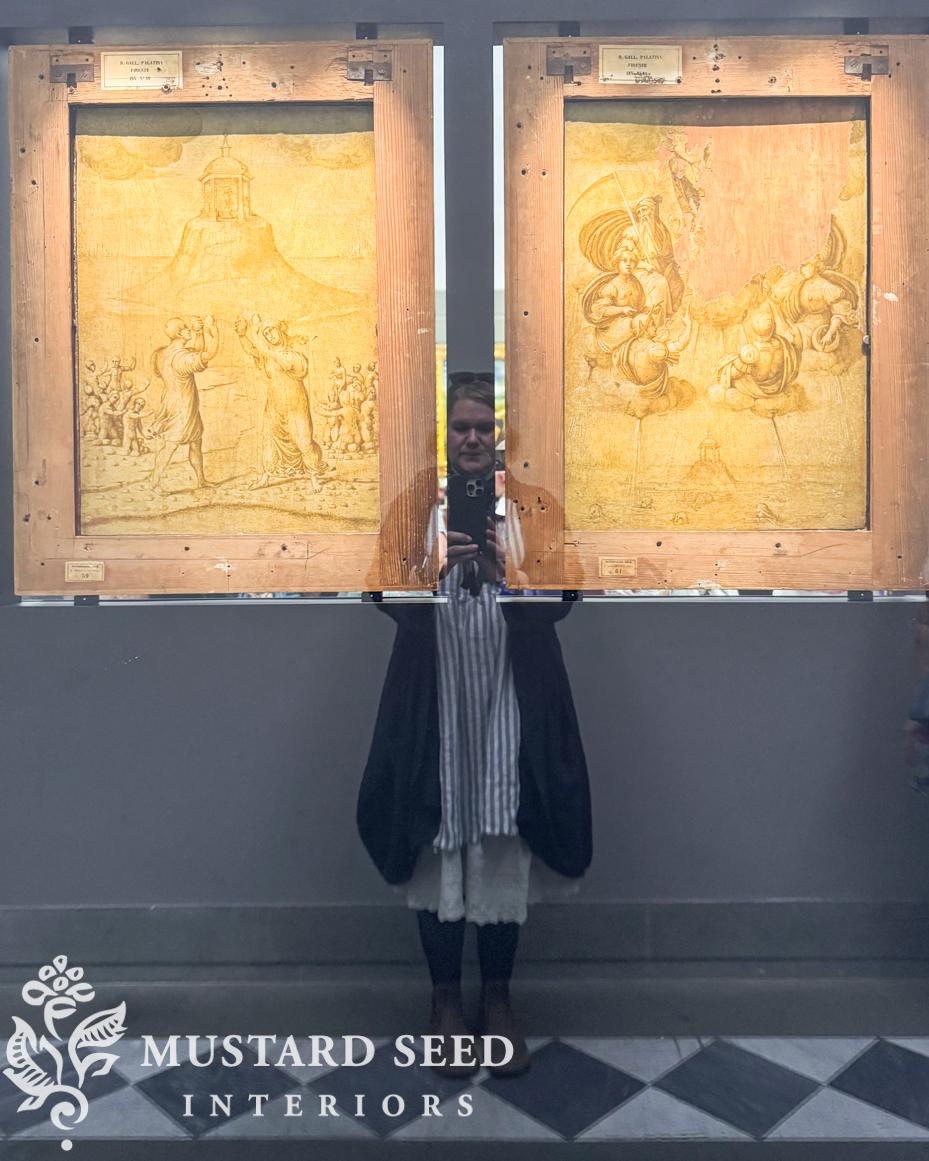
And sometimes, I see a moment when I am interacting with the art in a way I want to capture. I liked the back of these paintings more than the front, and in a crowded room in the Uffizi, I was the only one there.
I get why the presence of cameras is controversial in museums. I understand the calls to ban them. But I am among those who would advocate for keeping them if people can use them respectfully.
Here are a few things I do to make sure I’m not adding to the negative side of the debate:
Always ask permission if it’s unclear whether photography is permitted.
Don’t take pictures if it’s not permitted.
Don’t ever use a flash. It can be detrimental to antique art and distracting to other visitors.
Be mindful of those around you who are looking at the art. I try to wait until there is a break in the crowd or until no one is looking at the piece I want to photograph before I lift my camera to take a picture.
Be discerning. Take pictures of the pieces that really speak to you.
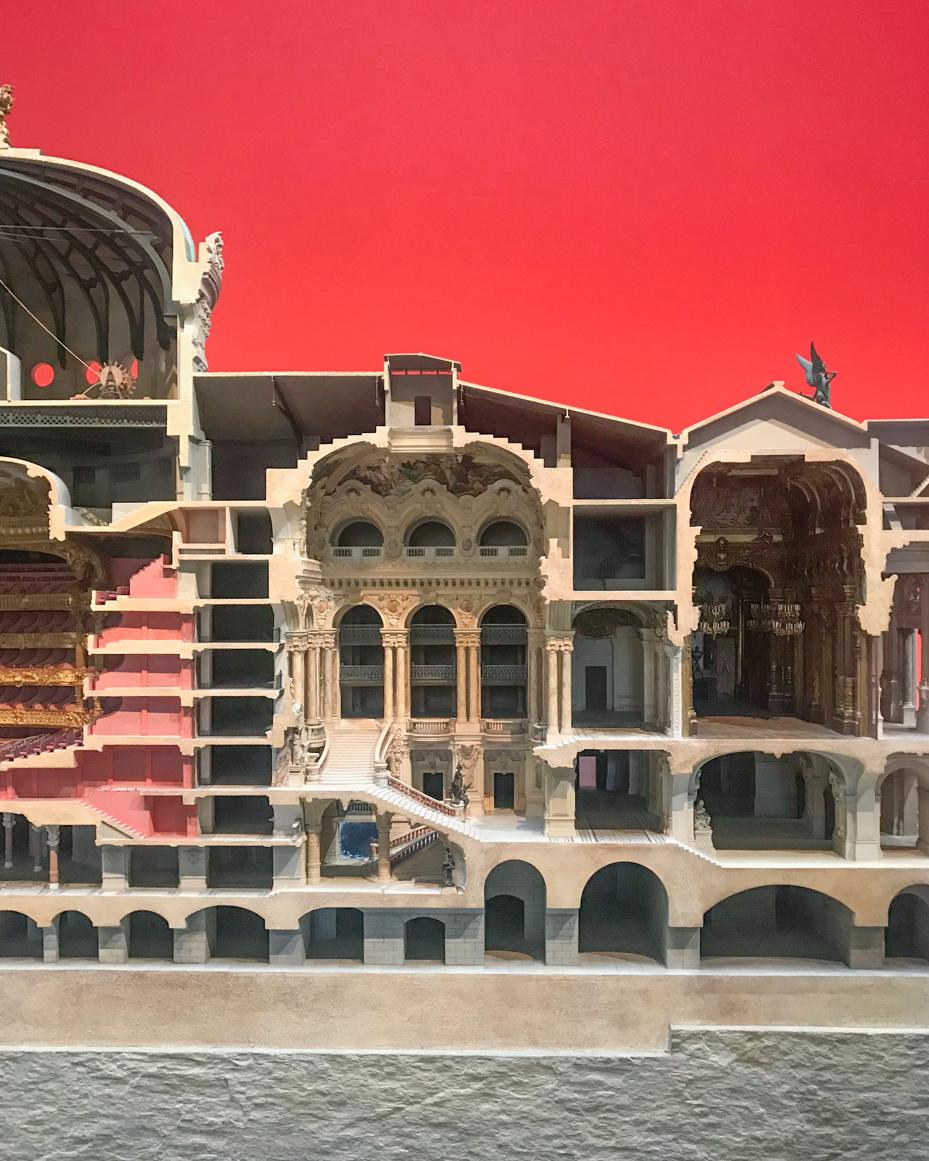
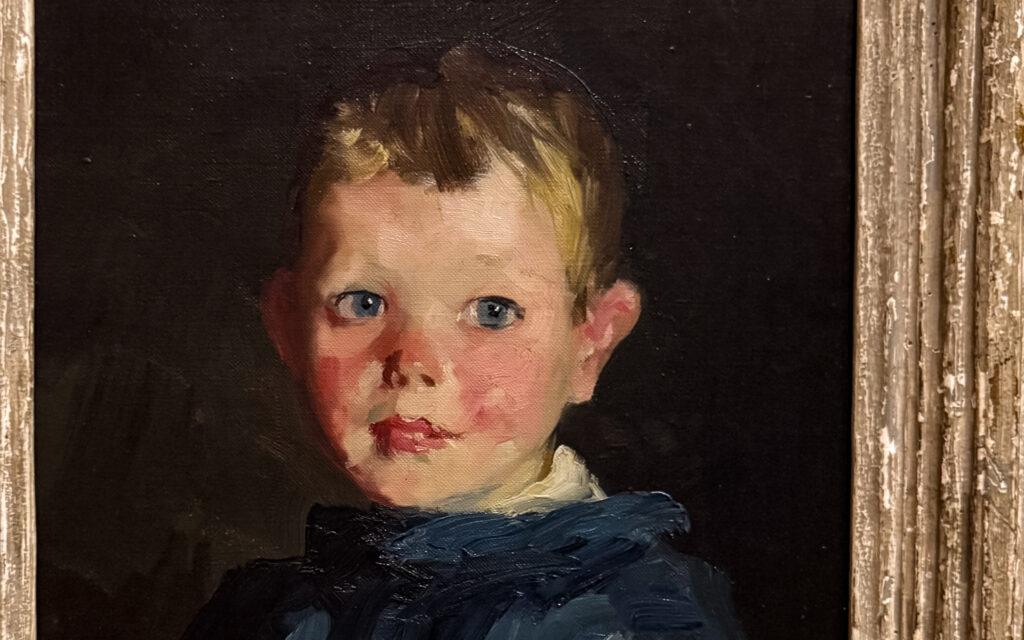
Looking at these photos has been itching to visit another museum. Maybe I’ll go check in on my favorite Robert Henri portrait at my local museum…
Where do you sit on the cameras in museums debate?







5 Responses
I definitely want to be able to take pictures of paintings in museums. I have photos from the Met and MOMA in N.Y. I also visted Fricks but had to buy a book of the paintings there because photos were not allowed. I never made it to the Guggenheim, so if I ever do, I hope photos will be allowed. I agree with your proposed rules. I took all mine in the 1980s, before cell phones, when people were more polite and considerate of someone studying a painting.
I just wish museums had duct tape at the ebntrance for you to put over the flash of your camera. I do put mine on ‘museum mode’ (no flash) but it’s easy to turn the mode wheel by mistake… and very embarassing if that ends up with you “flashing”.
Definitely take the photos. I recently went to an Impressionists exhibition and took many photos, then went around again and took in all the paintings, up close, at a distance. In front of the Monet paintings, I sat on the provided seats and stared at them for quite a while knowing I would never see them again.
By all means take photos if allowed, it helps clarify the memory of the experience. But, taking photos of anything without enjoying fully the experience, something to check off a list, well doesn’t it defeat the purpose. I see this at many venues, getting a picture is paramount, meanwhile stopping to wonder, analyze, fully respect and enjoy… I see this at Niagara Falls, close enough for me to see often, mezmorized by the shear size and force, and it seems ‘selfies’ rule. Kim
I never take photos. I own a lot of art books with my favourite paintings, artists and museums. If I am there and focused, a camera distracts me. I am that irritating figure close by, making the alarms go off. I sketch what I see. I can also be very, very disappointed in a painting I first saw in a book and later in real life. Photos can change the colours so much. Strangely, I don’t care if others do take pictures. Unless it is a drawing, all other photos are okay. I remember being completely overwhelmed by Diego Velázquez in the Prado. It was like looking at Rembrandt Harmenszoon van Rijn. Same brushstrokes, the eyes, jewellery just marginally detailed. I had to sit down and just look; I went back the next day. I do that; I plan to go back more times if I haven’t seen all. I probably need to go live in the Louvre.;>p