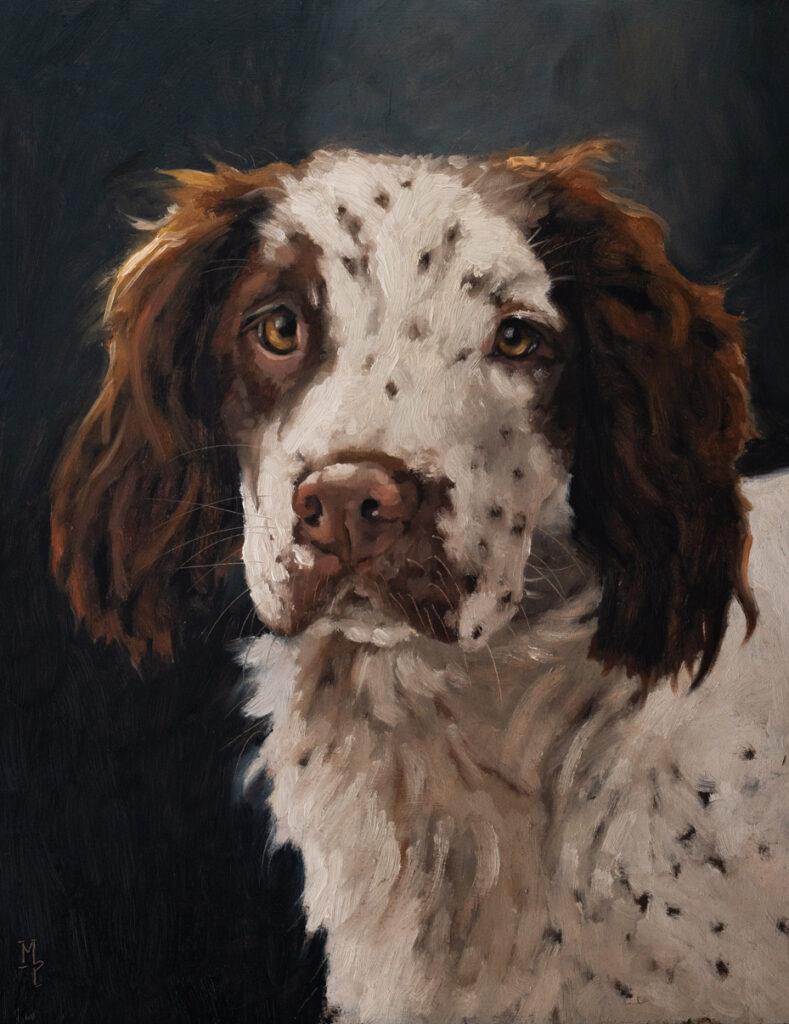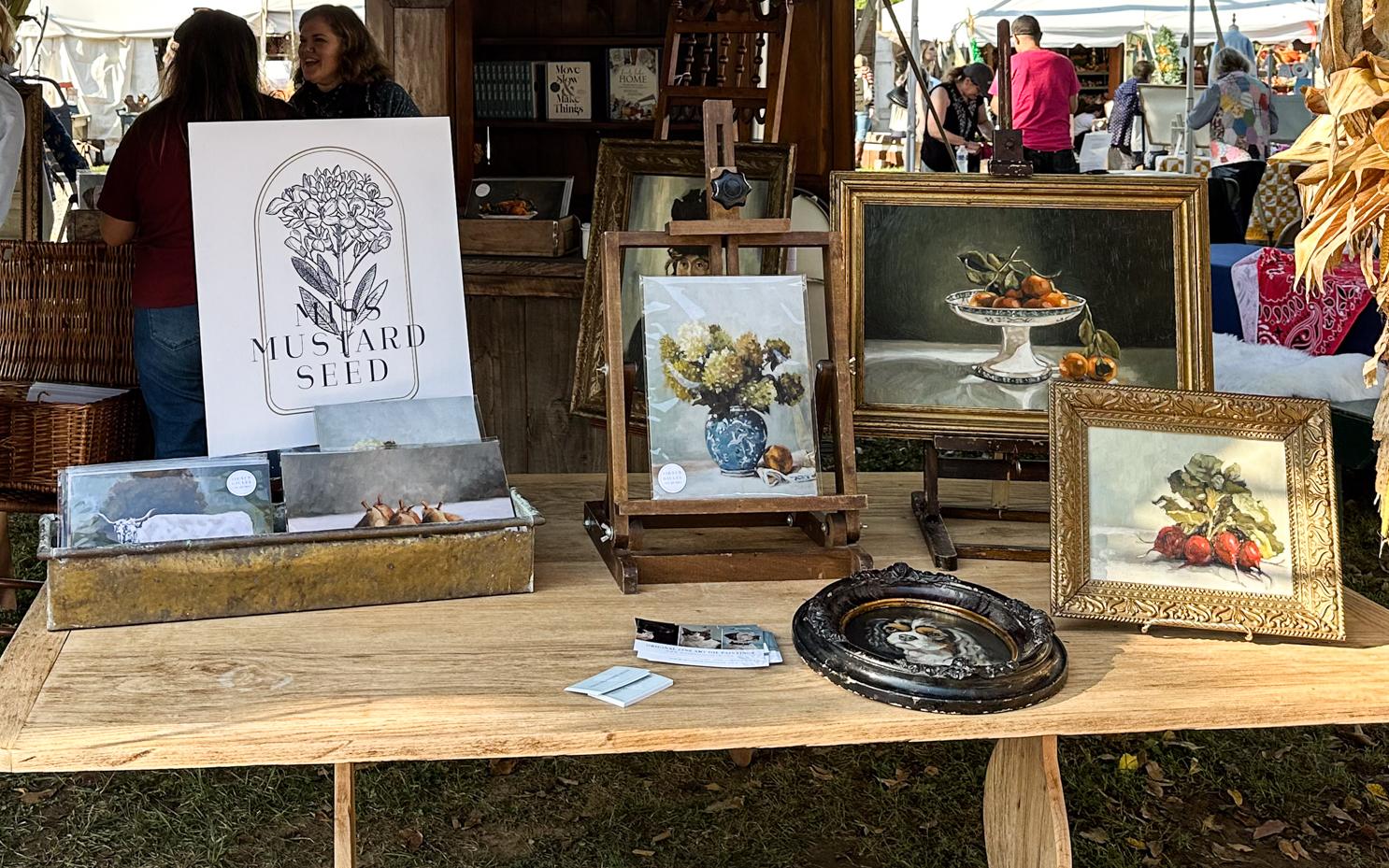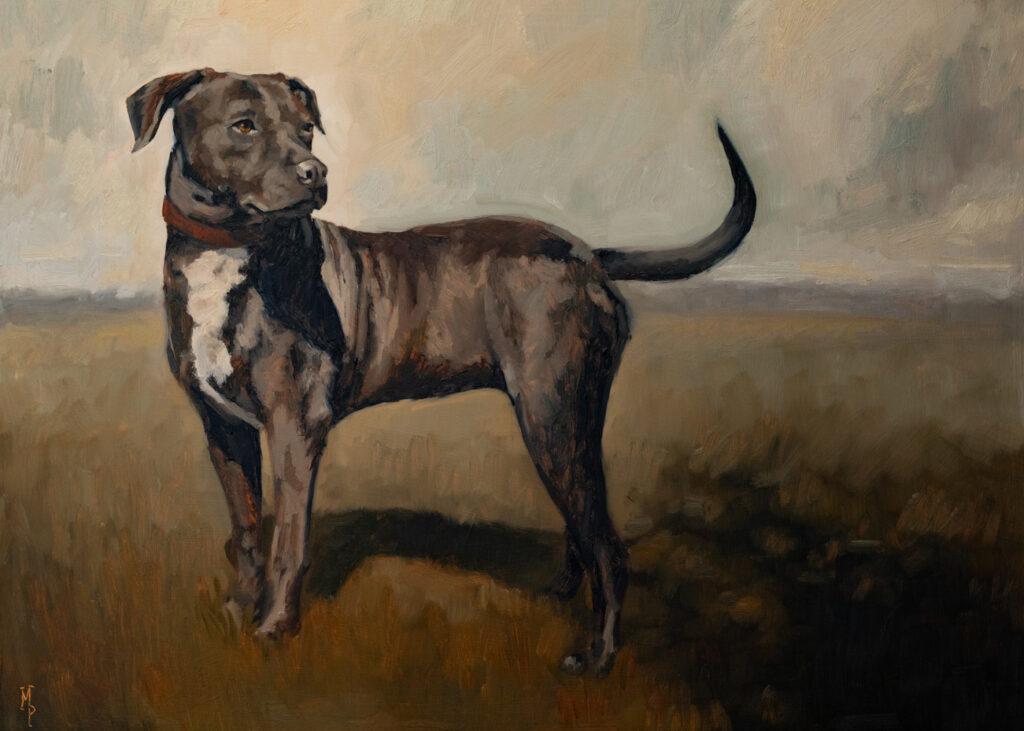
As I’ve shared my pet portraits over the years, the question I’ve been asked most is, “When are you going to teach an online class on pet portraiture?” I’ve been thinking about it for a while, but I wanted to refine my process and get even more hours at the easel behind me before I tackled filming an online course. Well, that time is finally here. While I will always have new things to learn, and I hope I’ll continue growing in skill, knowledge, and confidence as an artist, I felt ready to offer an online course on painting pet portraits, specifically for beginners and those new to oils and/or painting animals.
If you’re interested, the waitlist for Pet Portraits in Oils for Beginners is now open. The course launches in early December, but waitlist members will receive an exclusive discount, so it’s worth signing up if you’re considering purchasing the course for yourself or for someone as a gift.
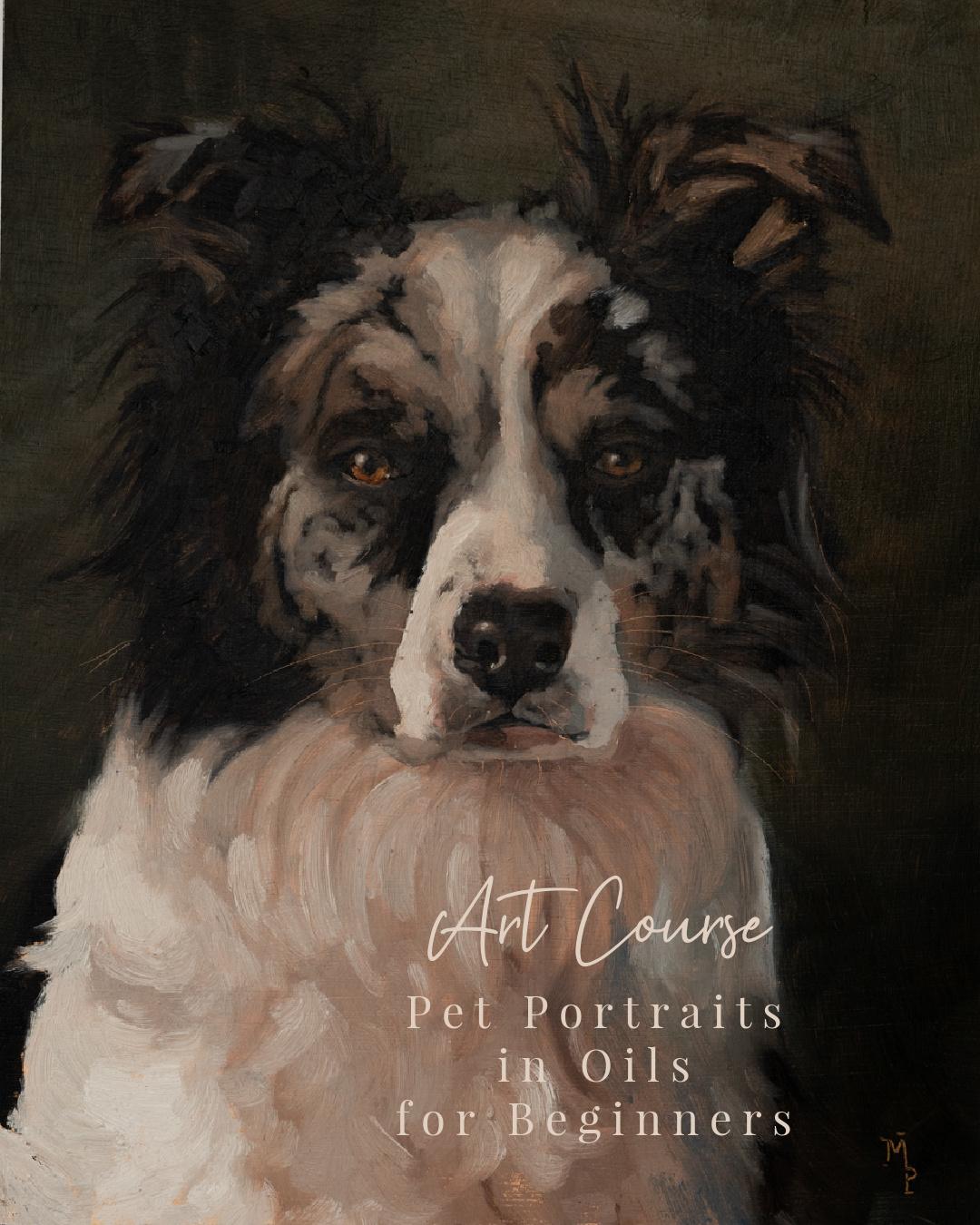
This course is geared specifically for beginners, so I will review the tools and materials you need and the basics of working with oil paints, from setup to cleanup. This will be good for beginners to painting in general or for those who want to try oils after using another medium like watercolor or acrylic.
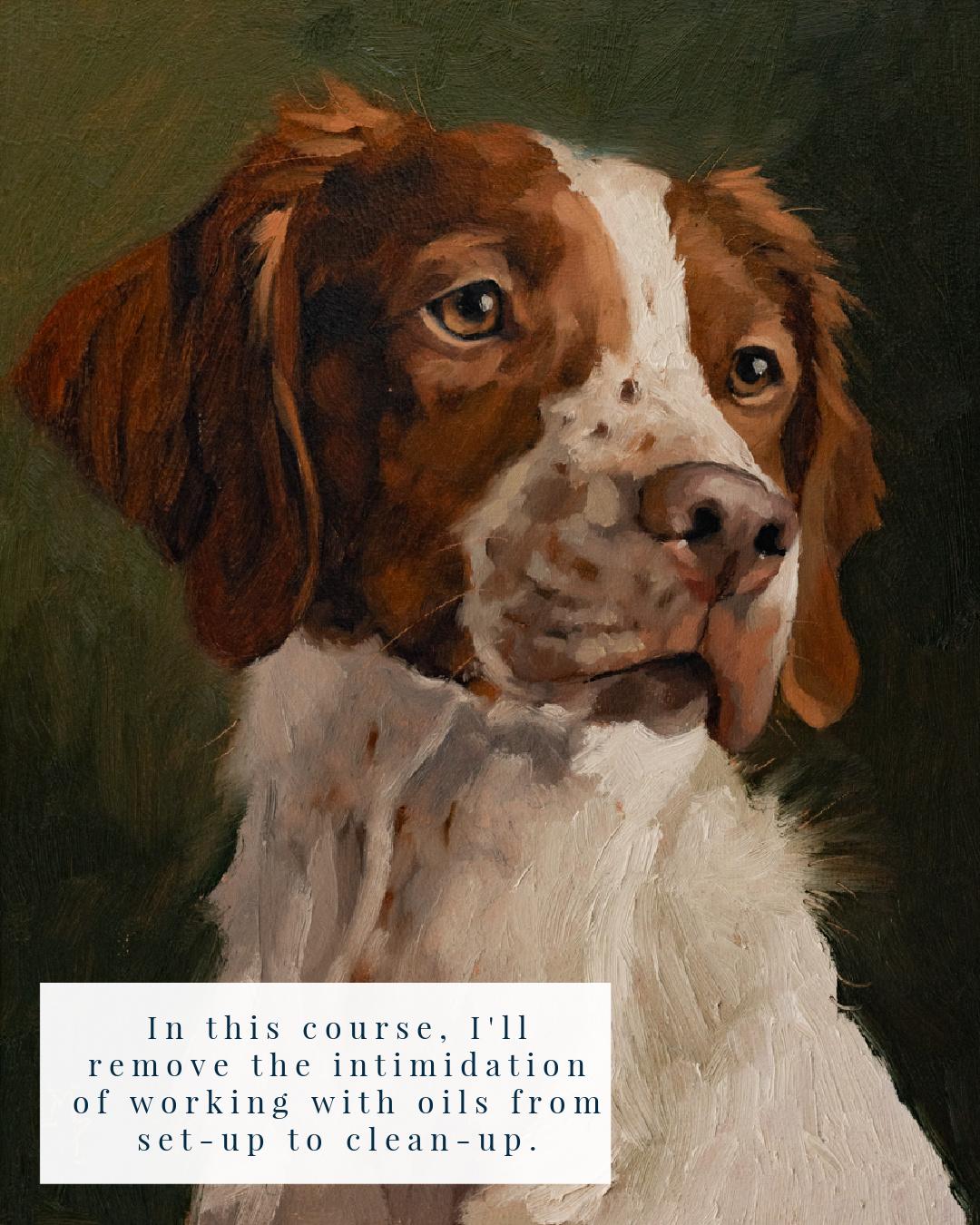
Color mixing is a key part of my work, and of working with a limited palette, so I’ll review color theory and show you how to make color charts with a limited palette that is perfect for beginners.
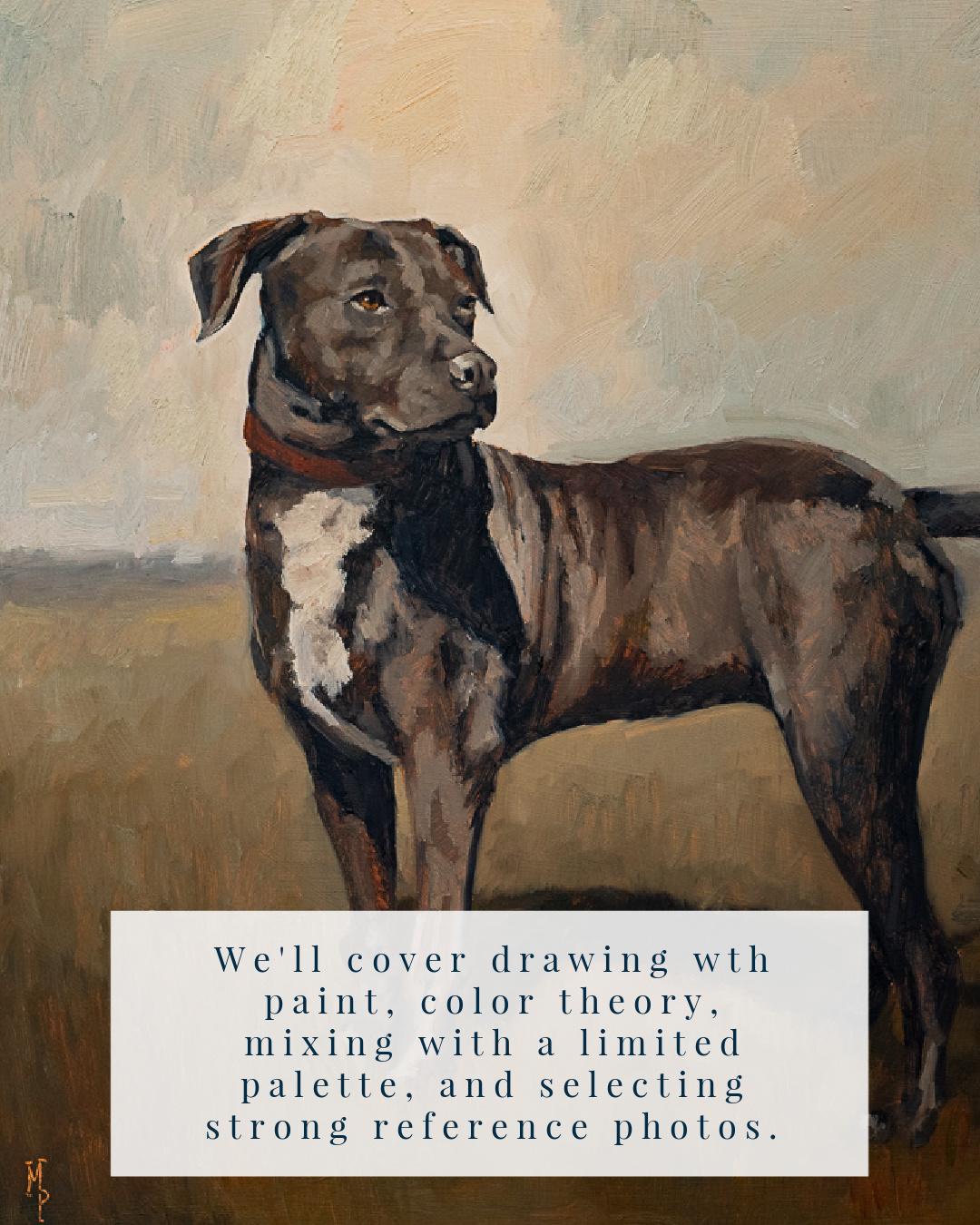
I also spend some time on drawing. I think the fear of drawing is what prevents most people from even trying. Do you know how many people tell me they can’t draw a straight line or a stick figure? A lot! Well, the good news is that we’re not drawing a straight line or a stick figure, so you don’t have to be good at either of those. I’ll show you how to see and copy shapes, how to measure and double-check your drawing, and how to embrace how you see the world and how that flows out of your hands. Don’t let drawing be a hang-up, though. I’ll share some shortcuts and tips to get an accurate foundation quickly and skip to the fun part.
We’ll also review what happens before you even start painting, like prepping panels and selecting and editing a strong reference photo.
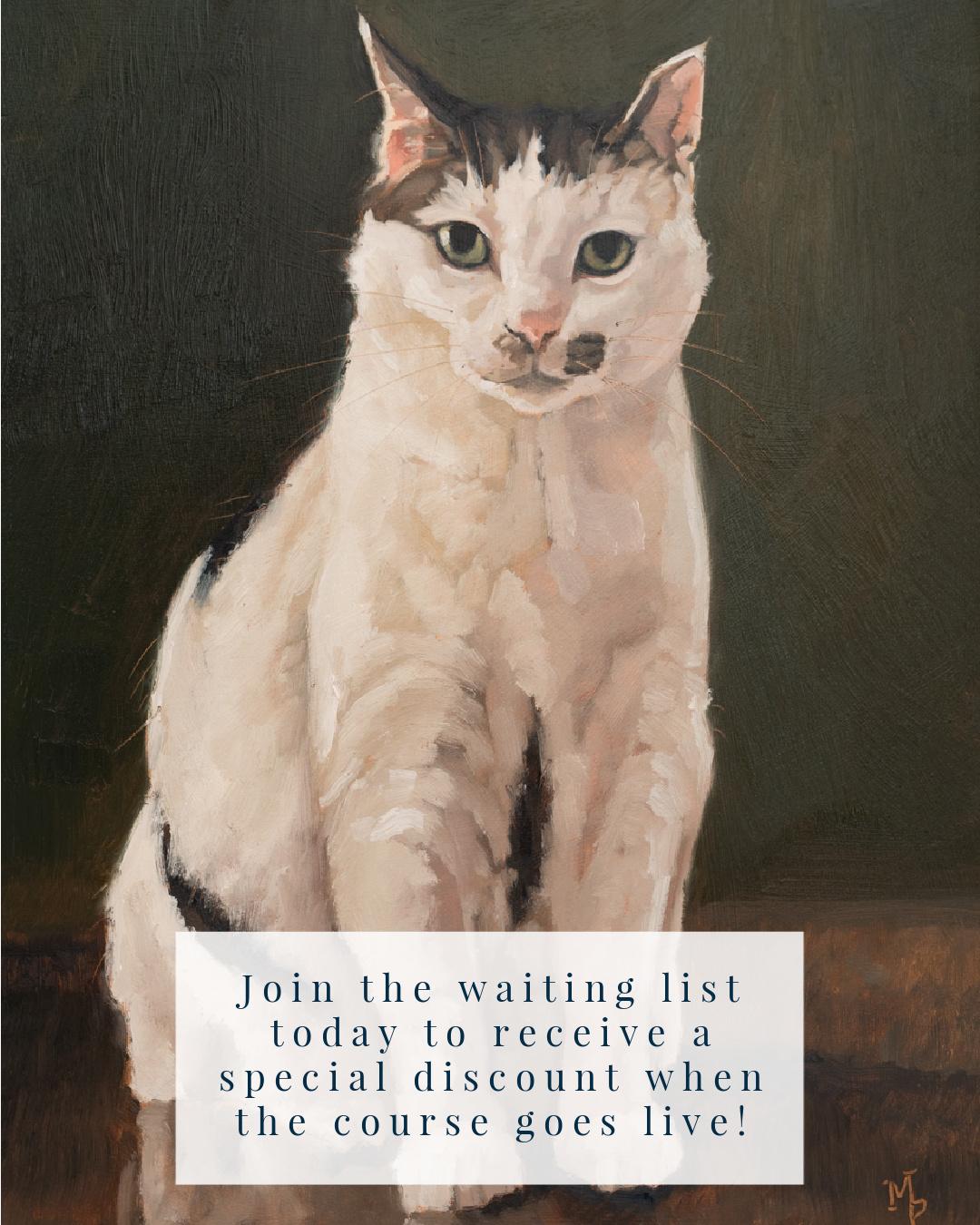
And then, we’ll complete two portraits together: one of a dog and one of a cat. In those sessions, I’ll cover things like portraying fur and whiskers, capturing personality, understanding the anatomy, and creating a portrait in an impressionistic-realism style.
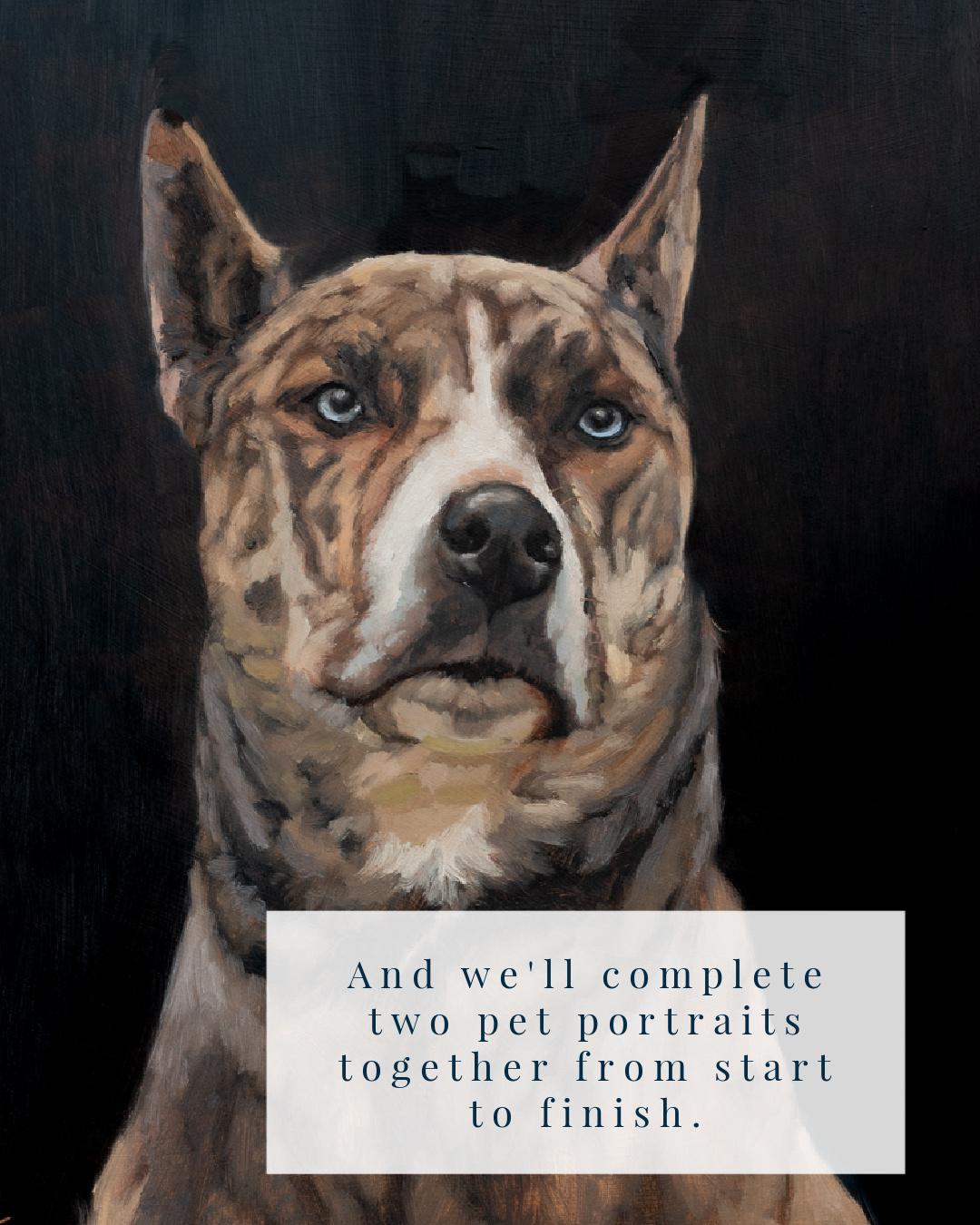
This course will be based online, so you can watch the videos and walk through the modules at your own pace. You’ll get 6+ hours of video instruction, plus printables, reference photos, and bonuses.
So, if you’ve wanted to learn oil painting or pet portraiture, this is a great class to get you started. As I said, the course launches in early December, but you can join the waitlist now for a discount and to be notified when the course goes live.
Join the waitlist HERE.
There will be a complete tools & materials list included in the course, but if you want a sense of the supplies you will need, here is a general list of what I recommend for beginners. I go into more specifics in the tools & materials list included in the course. The paint is the most important part, so I included the palette I’m using.
My recommended beginner palette for pet portraits–
- Ultramarine Blue (Utrecht) – $11.98
- Burnt Sienna (WN) – $14.00
- Yellow Ochre Deep (Michael Harding) – $12.50
- Cadmium Yellow Medium (Gamblin) – $28.00
- Cadmium Red Light (Gamblin) – $29.50
- Ivory Black – Michael Harding – $12.50
- Flake White Replacement (Gamblin) – $9.75
Other supplies –
- Gray Paper Palette
- Liquitex Professional White Gesso
- I’m using Red Dot brushes (synthetic sable) from Rosemary & Co Brushes for this course: flats and a round, but brushes are very personal, so get and use what you like.
- Gamblin Gamsol
- Airtight Solvent Container
- Paper Towels
- Baby Oil & baby wipes for clean-up
- Folding tabletop H easel (You don’t have to have this, but it’s much better to paint with your work upright than lying flat.)